
Introduction
When buyers invest in a luxury car, they usually focus on performance, features, technology, and brand appeal. However, one factor that quietly influences long-term value is colour choice. While colour may seem like a personal preference at the time of purchase, it can significantly affect resale demand and price retention later.
In India’s premium automotive market, buyers increasingly pay attention to resale value, especially in segments like pre-owned luxury cars. Factors such as road conditions, chauffeur-driven ownership patterns, climate, maintenance requirements, and market demand all shape how certain colours perform in the resale market.
Whether you are considering luxury cars, understanding the relationship between colour and value can help you make a smarter purchase decision.
Why Car Colour Matters Beyond Appearance
Luxury vehicles are often seen as lifestyle investments. Unlike mass-market cars, premium buyers frequently upgrade within a few years, making future value retention important.
Colour influences resale through several factors:
Buyer Demand
Neutral shades usually appeal to a broader audience. Since resale markets depend heavily on demand, universally accepted colours generally move faster.
Maintenance and Appearance
Indian driving conditions involve dust, heat, traffic pollution, and seasonal weather variations. Certain shades hide imperfections better than others.
Premium Perception
Some colours naturally align with luxury styling. A premium sedan or SUV in the right shade can appear more sophisticated and desirable.
Chauffeur-Driven Ownership Trends
Many Indian luxury car owners use chauffeur services. Executive buyers often prefer elegant and understated shades over loud or highly customised options.
Which Luxury Car Colours Hold Better Resale Value?
White: Consistent and Practical
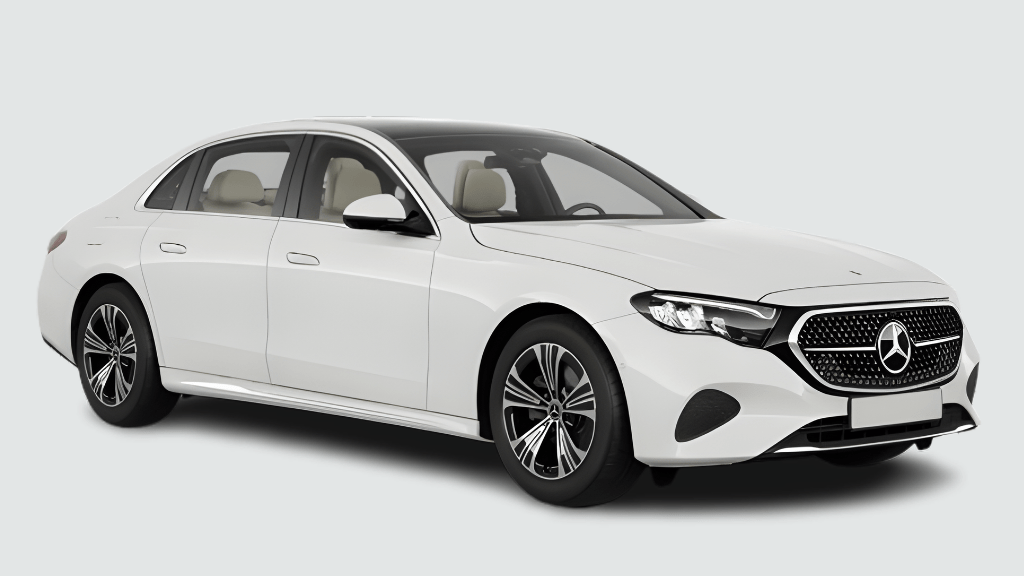
White continues to be one of the safest options in the luxury car segment.
In Indian conditions, white reflects heat better than darker shades and hides light scratches and dust more effectively. It also creates a clean, premium appearance that appeals to corporate users and family buyers.
Vehicles such as the Mercedes-Benz E-Class or BMW 5 Series often see strong market demand in white because they fit both self-driven and chauffeur-driven ownership styles.
White also performs well in luxury SUV categories where practicality matters.
Black: Timeless Luxury with Higher Maintenance
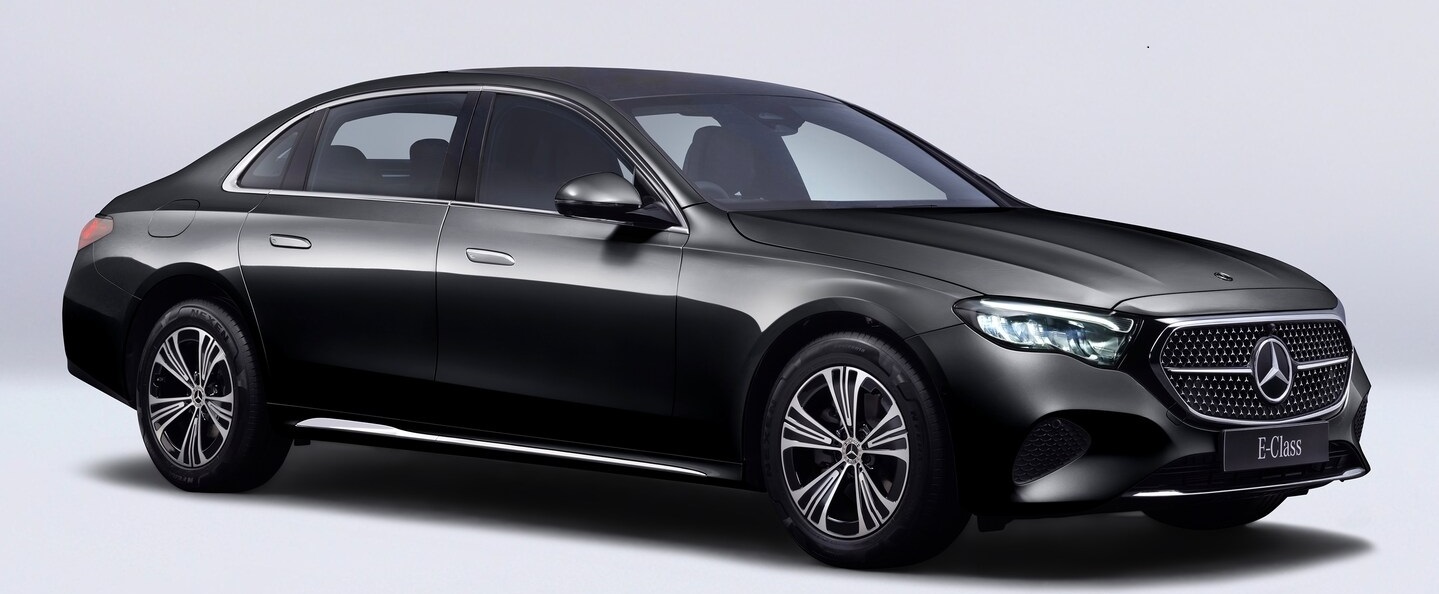
Black has long been associated with sophistication and executive appeal.
Models such as the Audi A6 or Land Rover Range Rover often look exceptionally premium in black. However, ownership experience matters.
Black tends to reveal:
- Dust accumulation
- Minor scratches
- Swirl marks
- Water spots
Given Indian road environments, maintaining a flawless black finish requires consistent detailing and care.
Although black remains desirable, resale value can depend heavily on exterior condition and service history.
Silver and Grey: The Safe Middle Ground
Silver and grey shades have remained stable performers in luxury resale markets.
These colours offer a balance between premium aesthetics and low-maintenance ownership. They hide dust reasonably well while maintaining an executive appearance.
For example, a BMW X5 or Audi Q7 in grey often attracts buyers looking for practicality without sacrificing visual appeal.
Colours That Can Limit Resale Potential
Bright and Unconventional Shades
Bold colours can look attractive in showrooms, but may narrow your future buyer base.
Colours such as:
- Bright yellow
- Orange
- Neon blue
- Unique matte finishes
- Special custom wrapsIt
often appeals to enthusiasts rather than mainstream luxury buyers.
A sporty luxury coupe may suit these shades, but executive sedans and premium SUVs typically perform better in neutral colours.
Custom Modifications and Wraps
Personalisation is increasingly popular among luxury owners, but heavily customised exteriors can create hesitation among resale buyers.
Potential concerns include:
- Unknown paint quality
- Hidden bodywork
- Difficult maintenance
- Reduced originality
In premium segments, originality often supports stronger resale value.
How Different Vehicle Categories React to Colour
Luxury Sedans
Executive sedans generally benefit from conservative colours because many buyers prioritise elegance and business use.
Shades such as white, silver, and black often create stronger demand for models like Mercedes-Benz luxury sedans.
Luxury SUVs
SUV buyers usually show slightly greater flexibility.
A Land Rover SUV in dark grey or metallic blue may still attract attention because SUVs naturally support more rugged styling.
Premium Urban Vehicles
Urban-focused luxury vehicles often perform best in modern neutral shades that combine style with practicality.
For instance, a Lexus SUV in a tasteful metallic finish can appeal to younger buyers while maintaining long-term market demand.
Smart Buying Tips for Better Future Value
If resale value is part of your ownership strategy, consider these points before selecting a colour:
- Prioritise broader market appeal over short-term trends.
- Consider local climate and road conditions.
- Think about maintenance costs over several years.
- Avoid highly personalised finishes if resale matters.
- Review luxury car demand trends before finalising a purchase.
The best colour is not necessarily the most eye-catching one—it is the one that balances personal preference with future market value.
Final Verdict
Luxury car ownership is about much more than appearance. The colour you choose today can influence resale demand, maintenance experience, and long-term value retention tomorrow. While personal style remains important, neutral and practical shades generally provide stronger results in the premium automotive market.
For buyers exploring luxury vehicles with future value in mind, understanding these small details can make a meaningful difference. Platforms like Motozite also reflect how buyer preferences evolve, helping customers evaluate vehicles through a more practical ownership lens rather than focusing only on first impressions.