
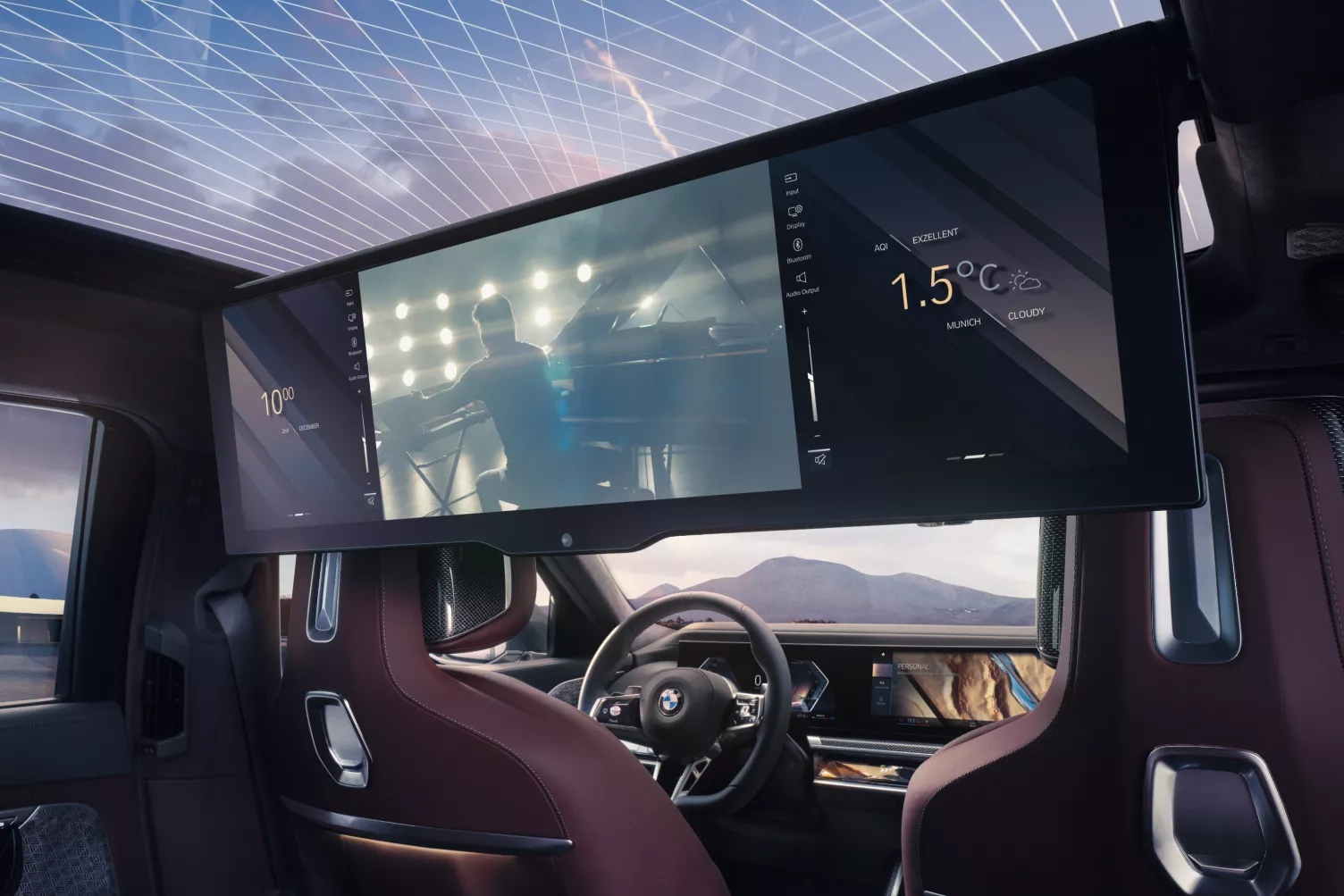
Luxury cars have evolved far beyond powerful engines and premium badges. For many buyers today, especially in India, the real luxury experience begins inside the cabin. Whether navigating city traffic, spending long hours on highways, or using a chauffeur-driven setup, the cabin becomes the space where owners spend most of their time. That is why luxury car interior quality has become one of the biggest decision-making factors in the premium automobile segment.
A truly premium cabin is not just about leather seats or large screens. It is a carefully designed combination of materials, comfort, technology, space, and attention to detail that creates an experience every time the door closes. Brands such as Mercedes-Benz GLE, BMW 7 Series, Audi Q7, Lexus ES, and Land Rover Range Rover Velar all approach cabin luxury differently, but the core principles remain similar.
For buyers researching premium cars in India, understanding what creates a luxury cabin experience helps in making a smarter long-term purchase decision.
Key Factors That Define a Truly Premium Cabin
Material Quality Matters More Than Quantity
One of the first indicators of cabin quality is the material used throughout the interior. Soft-touch surfaces, genuine leather upholstery, open-pore wood inserts, brushed aluminium elements, and premium stitching immediately influence perception.
However, luxury today is moving beyond simply adding expensive materials everywhere. The way these materials are integrated matters even more.
For example, Mercedes-Benz GLE focuses heavily on layered materials and ambient design, while Lexus ES adopts a cleaner and more understated premium approach. A cabin filled with shiny plastic surfaces, even with multiple features, can feel less premium than a simpler but well-crafted layout.
Indian buyers should also consider durability. Dust, heat, and long-term wear affect interior materials, making high-quality finishes particularly important.
Seat Comfort Is More Important Than Many Realise
Premium seating is not limited to soft cushioning. It involves ergonomics, support, adjustability, and comfort over long distances.
In India, rear-seat comfort carries significant importance because many luxury car owners prefer chauffeur-driven usage. Features such as:
- Rear seat recline
- Ventilated seats
- Cushion support
- Massage functions
- Extended legroom
can significantly improve the ownership experience.
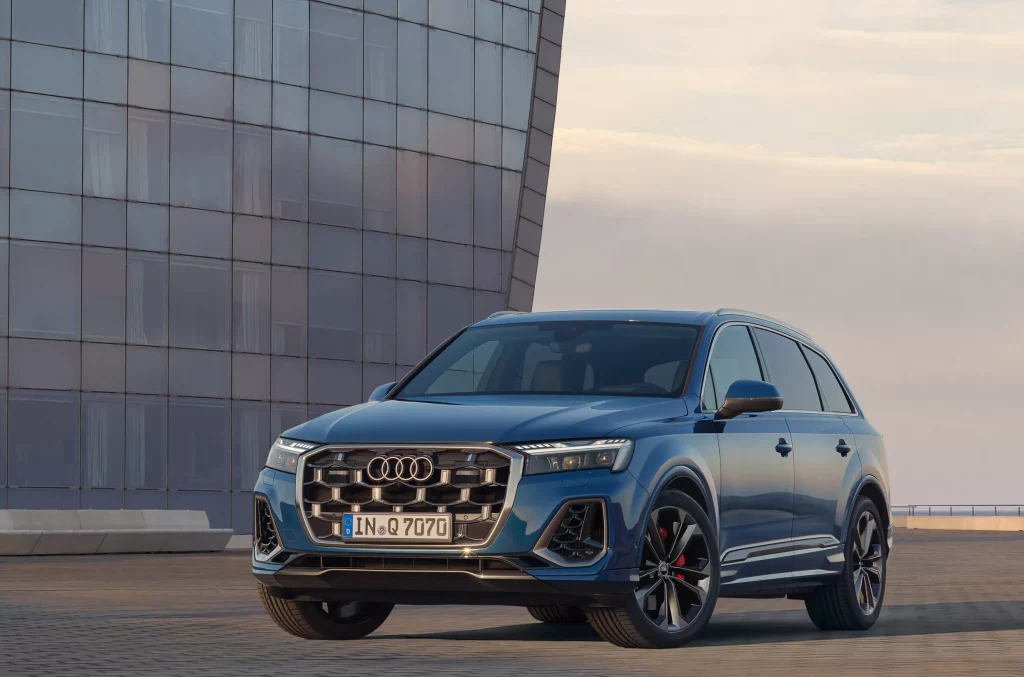
Vehicles such as the BMW 7 Series place strong emphasis on rear passenger comfort, while SUVs like the Audi Q7 provide a balance between family practicality and premium seating comfort.
Poor seat design often becomes noticeable only after spending hours in traffic, making test drives extremely important.
Cabin Silence Creates an Invisible Luxury Experience
Noise Isolation Adds to Comfort
One factor buyers often overlook during initial showroom visits is cabin insulation.
A premium car should isolate passengers from:
- Road noise
- Tyre noise
- Wind noise
- Outside traffic sounds
Indian roads can vary dramatically between smooth expressways and uneven urban surfaces. Effective sound insulation becomes increasingly valuable in real-world conditions.
Cars like the Lexus ES are widely appreciated for refined and quiet driving characteristics. Similarly, luxury SUVs such as the Land Rover Range Rover Velar focus on maintaining cabin serenity despite challenging road conditions.
Often, the quieter the cabin becomes, the more expensive it feels.
Technology Should Feel Integrated, Not Overwhelming
Large displays and digital features have become common across modern vehicles. But premium technology is not simply about screen size.
A luxury car interior should integrate technology naturally into everyday usage.
Important features include:
- Intuitive infotainment systems
- Digital instrument clusters
- Wireless smartphone connectivity
- Voice assistance
- Premium audio systems
- Ambient lighting
For instance, Mercedes-Benz GLE uses a highly digital cabin approach with connected displays and customisation options, while some competitors prioritise simplicity over visual impact.
Too many controls and excessive digital elements can sometimes make interiors feel cluttered rather than sophisticated.
Rear Seat Experience Has Become a Major Luxury Trend
Indian Buyers Increasingly Prioritise Rear Comfort
The Indian luxury car market has unique buying behaviour. Unlike some global markets where owners frequently drive themselves, many buyers in India prefer being driven.
As a result, rear-seat luxury is becoming a key consideration.
Features influencing purchase decisions include:
- Rear sunshades
- Individual climate zones
- Adjustable seating
- Better thigh support
- Charging options
- Rear entertainment systems
This explains why many premium sedans and large SUVs continue focusing heavily on second-row comfort despite increasing SUV demand.
Design and Attention to Detail Create Emotional Value
A truly premium cabin often succeeds through small details rather than major features.
Examples include:
- Precision stitching
- Smooth switch operation
- Soft-closing doors
- Quality steering wheel materials
- Ambient lighting transitions
- Premium metal finishes
Buyers may not immediately identify these details individually, but collectively they create what people describe as a “luxury feel.”
The difference between an expensive car and a genuinely premium car often lies in these subtle refinements.
Buying Tips Before Choosing a Luxury Car
If cabin quality is a priority, avoid making a purchase decision purely based on specifications.
Consider these practical factors:
- Spend time in both front and rear seats during a test drive.
- Check visibility and seat comfort in real traffic conditions.
- Evaluate cabin noise at highway speeds.
- Touch frequently used surfaces rather than focusing only on displays.
- Consider long-term maintenance of interior materials.
- Think about whether the car will primarily be self-driven or chauffeur-driven.
Luxury ownership is about daily experience, not just showroom impressions.
Final Verdict
A premium luxury cabin is built through a combination of comfort, craftsmanship, technology, refinement, and practicality. Leather seats and digital screens alone do not define luxury anymore. The most successful interiors create an environment where every journey feels relaxed and effortless.
For Indian buyers, road conditions, rear-seat usability, long-distance comfort, and long-term quality are becoming just as important as performance figures. Understanding these factors helps separate marketing features from genuine value. As premium automotive preferences continue evolving, platforms like Motozite help buyers explore luxury cars with a stronger focus on real ownership experiences rather than just specifications.