
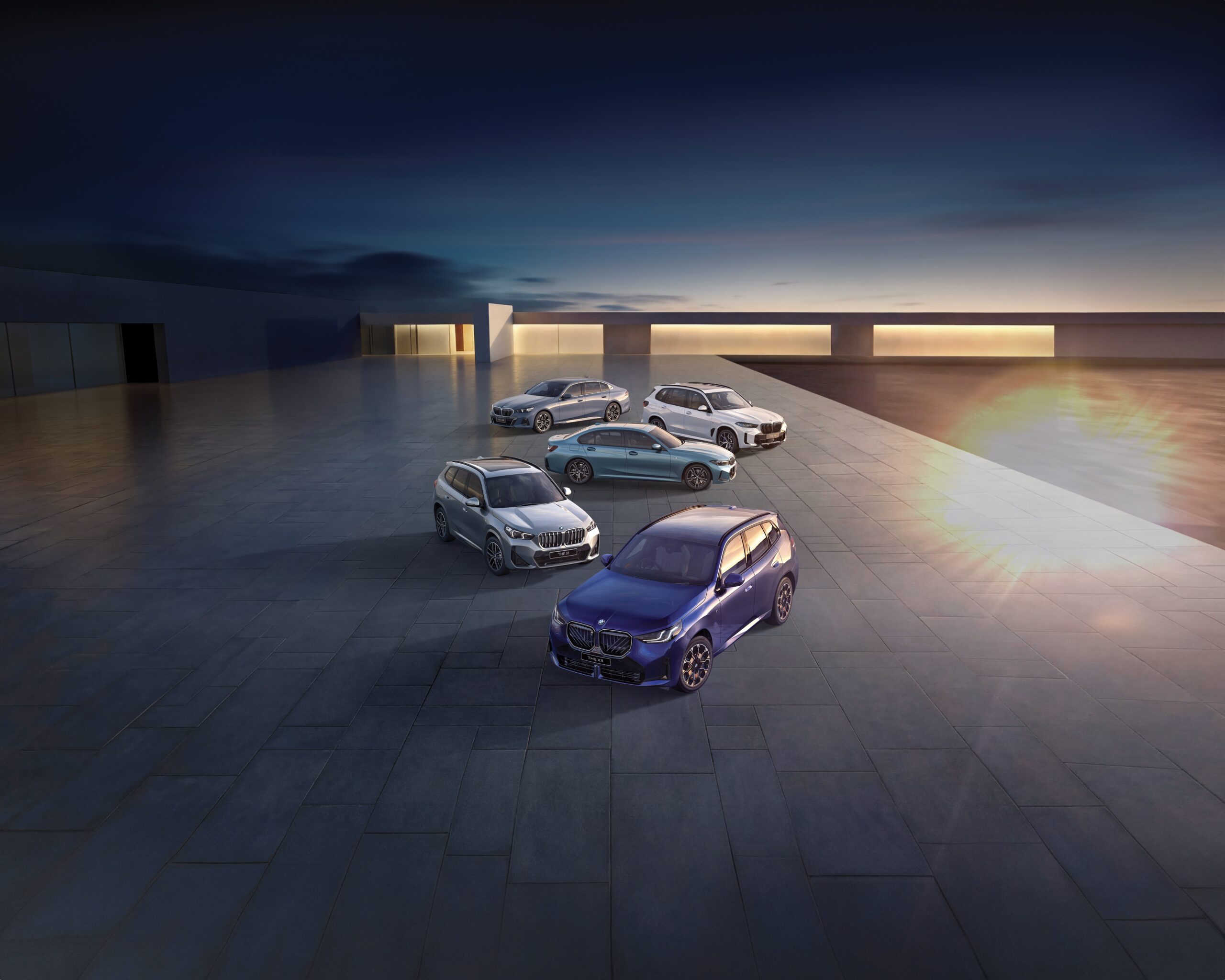
India’s luxury car market is entering a new growth phase. The share of luxury vehicles in India’s overall passenger vehicle market could double by 2030, driven by rising affluence, younger buyers, premiumisation trends, and expanding demand for electric luxury vehicles.
While luxury cars currently account for a relatively small percentage of India’s total auto sales, the segment is rapidly evolving from a niche category into a significant growth engine for global automakers such as BMW, Mercedes-Benz, Audi, and Lexus.
India’s Luxury Car Market Is Gaining Momentum
The Indian automobile industry has traditionally been dominated by mass-market vehicles. However, changing consumer preferences and rising disposable incomes are reshaping the market.
Luxury vehicles are projected to account for nearly 5 percent of India’s total passenger vehicle sales by the end of the decade, up from roughly 1 percent today. If near-premium vehicles priced above ₹50 lakh are included, the segment already accounts for nearly 2.5 percent of total car sales, demonstrating that the baseline for luxury consumption has expanded significantly.
This optimism is supported by several key trends:
- Rapid wealth creation and a rising upper-middle-class population in urban India.
- A growing base of young entrepreneurs, startup founders, and high-earning professionals.
- Easier financing options, flexible corporate leasing, and structured buyback programs.
- Better highway road infrastructure connecting tier-1 and tier-2 cities.
- Increased consumer appetite for premium experiences over basic utility.
- Aggressive expansion of localized luxury electric vehicle offerings.
India has emerged as the second-fastest-growing global market for BMW, highlighting the deep structural demand for premium cars despite global economic uncertainties.
Young Buyers Are Redefining Luxury Car Demand
One of the biggest shifts in India’s luxury vehicle market is the age profile of buyers. Luxury car ownership is no longer limited to older business families or corporate executives. Today’s buyers include startup founders, tech professionals, creators, investors, and next-generation entrepreneurs in their 30s and early 40s.
The average age of a luxury car buyer in India has dropped to 42 years, which is among the lowest worldwide. This younger demographic is fundamentally altering premium consumption patterns and directly influencing:
- Dynamic vehicle design preferences, shifting interest toward sporty silhouettes and aggressive styling.
- High demand for advanced connected technology, multi-screen digital cockpits, and over-the-air updates.
- Interest in EVs and sustainable luxury materials rather than traditional internal combustion engines.
- Lifestyle-oriented branding that aligns with personal identity and experiential luxury.
- Digital-first customer experiences, from online configurations to seamless virtual vehicle tracking.
For automakers, this means luxury is increasingly about innovation, status, and technology, moving away from a pure focus on traditional rear-seat comfort.
Premiumisation Is Transforming the Indian Auto Industry
A broader premiumisation trend is reshaping India’s automotive landscape. Consumers are increasingly willing to spend more for high-end automotive features. This behavior is evident across metropolitan hubs like Delhi NCR, Mumbai, Bengaluru, Hyderabad, and Pune, where buyers are routinely opting for top-tier configurations rather than base models.
This shift is driving premium demand in several key areas:
- Advanced safety features, with buyers actively prioritizing level two advanced driver assistance systems and comprehensive active protection packages.
- Premium interiors featuring high-grade leather, configurable ambient lighting, and high-fidelity sound systems.
- Superior performance metrics, with rising demand for high-horsepower engines and adaptive air suspension systems.
- Smart infotainment systems that offer seamless smartphone integration and AI-driven voice commands.
- Personalized ownership experiences, including deep customization programs and bespoke paint options.
Electric Vehicles Are Driving Premium Segment Growth
Electric mobility is becoming a major catalyst for luxury car growth in India. Premium buyers are adopting EVs faster than mass-market consumers because they are less price-sensitive and have easy access to dedicated home and workspace charging infrastructure.
Luxury EVs made up 21 percent of BMW’s overall sales, with the brand projecting that electric vehicles will comprise 30 percent of its total volume by 2030. Across the industry, luxury manufacturers are intensifying their focus on:
- High-performance electric SUVs that handle rough road conditions while delivering instant torque.
- Long-range battery technology capable of covering 500 kilometers on a single charge to reduce range anxiety.
- Premium charging ecosystems, including high-power DC fast chargers installed at strategic dealership touchpoints and highway routes.
- Connected mobility features that monitor battery health and pre-condition cabin temperatures remotely.
Mercedes-Benz, BMW, and Audi Continue to Compete Aggressively
India’s luxury vehicle market remains highly competitive, with the top brands fighting for dominance through rapid localization and retail expansion. Mercedes-Benz continues to lead overall annual sales, closing the fiscal year with record retail sales of 19,363 units, driven by its value-over-volume strategy and strong demand for its top-end vehicle segment.
Concurrently, BMW is applying intense pressure, securing an annual performance of 17,301 units and registering strong growth backed by an aggressive EV product strategy. Audi is also positioning itself for long-term expansion, despite facing headwinds from rising input costs and currency fluctuations.
The battleground among these premium brands will be defined by:
- A steady pipeline of new luxury EV launches across various price brackets.
- Expanded dealership networks are expanding deep into tier-2 and tier-3 cities.
- Enhanced ownership services, including extended warranty packages and roadside assistance.
- Frictionless digital retail experiences and online booking workflows.
- Highly flexible subscription and long-term corporate leasing options.
Challenges Still Remain for the Luxury Car Industry
Despite strong long-term potential, the luxury auto segment faces several hurdles that limit its immediate penetration rate.
- High Import Duties: India imposes steep import taxes on fully built luxury vehicles, making completely built unit imports significantly more expensive than in global markets. This places immense pressure on brands to invest heavily in local assembly lines to remain price-competitive.
- Economic Volatility: Luxury car sales remain sensitive to sudden stock market fluctuations, interest rate changes, and currency depreciation. Even minor rupee fluctuations increase operational costs for manufacturers, forcing successive price hikes that can temporarily cool down buyer sentiment.
- Infrastructure Gaps: While high-power DC fast-charging networks are growing in tier-1 cities, gaps remain across highway networks and smaller towns. Road quality in semi-urban centers also continues to influence buyers toward rugged luxury SUVs over low-slung premium sedans.
Why India Could Become a Major Global Luxury Car Market
India’s luxury vehicle penetration still sits far below mature global markets, which gives the industry substantial room for expansion. As the number of high-net-worth individuals in India continues to expand, luxury cars are moving from pure indulgence to an achievable milestone for a younger generation of buyers.
The combination of an expanding digital economy, rapid urbanisation, and increasing global exposure ensures that Indian consumers will continue to upgrade their mobility choices. Industry analysts believe that this structural shift will transform India into one of the most strategically vital premium automotive growth stories in the world over the next decade.
Conclusion
The projection that India’s luxury car market share is on track to double by 2030 underscores a fundamental shift in consumer behavior and purchasing power. Driven by a younger, tech-savvy demographic and a rapid transition toward electric mobility, luxury vehicles are securing a larger footprint in the broader automotive landscape. While tax structures and macroeconomic variables present ongoing challenges, the long-term momentum remains undeniable as the market evolves from a volume-driven model to a value-and-technology ecosystem.
Staying ahead of these long-term market forecasts, retail data shifts, and upcoming luxury launches is essential for every premium car enthusiast and industry professional. Follow Motozite for more comprehensive automotive insights, expert comparisons, and deep-dive analyses into India’s accelerating luxury car segment.