
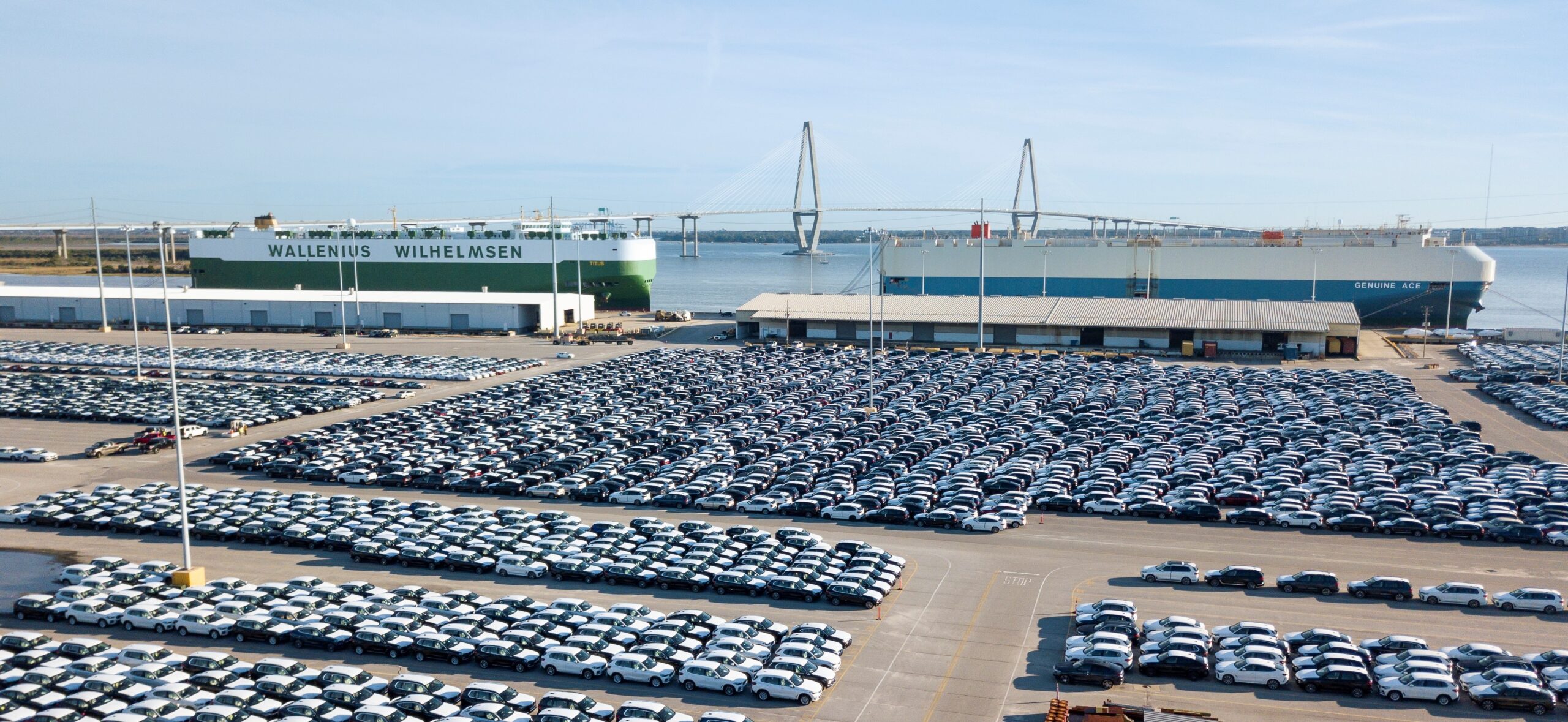
India’s luxury car market is undergoing a structural transformation. Instead of a slow, exclusive ladder of progression, the segment is expanding rapidly at the entry level, driven by aggressive product launches, financing innovations, and aspirational first-time buyers.
In this evolving environment, Mercedes-Benz India leadership under Santosh Iyer has offered a clear strategic signal: rivals expanding entry-level luxury is not a threat, but a long-term opportunity. The core idea is simple: expand the funnel today, capture the upgrade cycle tomorrow.
This blog decodes the key insights from Iyer’s perspective and explains how BMW’s entry-level strategy and broader industry dynamics are reshaping luxury mobility in India.
1. The Expand the Base Strategy: Why Entry-Level Luxury Matters
Luxury carmakers in India are increasingly competing not just for wealthy repeat buyers, but for first-time luxury customers. BMW and other competitors have focused on expanding access to the segment through:
- Lower Entry Price Points: Making the brand accessible to high-earning professionals.
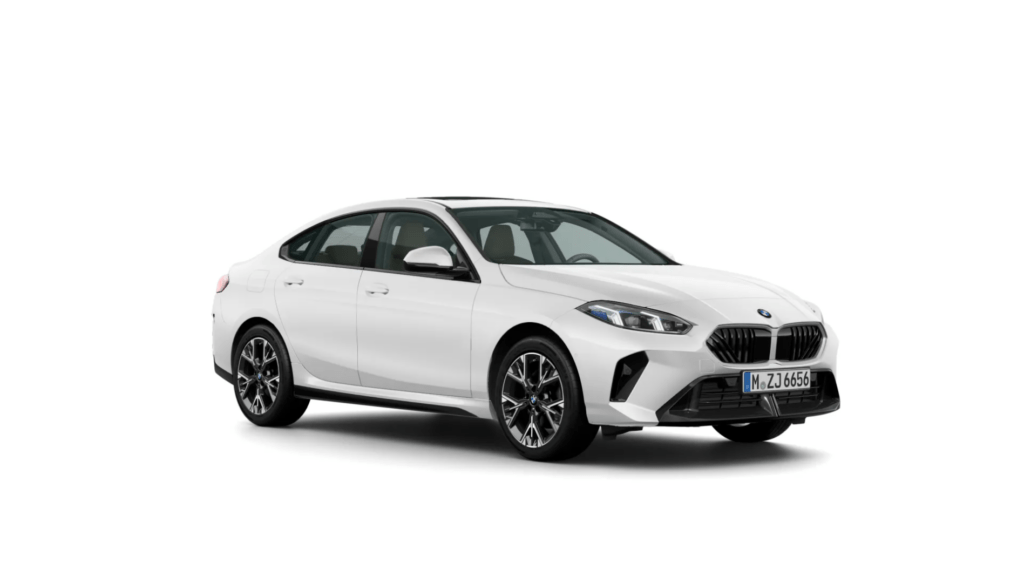
- Compact Luxury SUVs: Models like the X1 and 2 Series Gran Coupe serving as primary entry points.
- Aggressive Rollouts: Targeting younger buyers in Tier 1 and Tier 2 cities.
This strategy is helping grow the total luxury market size, which remains at just 1 percent of the total Indian passenger vehicle market. Nearly half of BMW’s growth in India is now driven by first-time luxury buyers, highlighting how critical this segment has become in widening the market base.
2. Santosh Iyer’s Perspective: Competition Today, Customers Tomorrow
Santosh Iyer, Managing Director and CEO of Mercedes-Benz India, has consistently emphasized a counterintuitive but strategic view. His philosophy suggests that letting competitors bring in first-time buyers is a structural tailwind for the market. The logic is based on customer lifecycle economics:
- Entry: First-time buyers enter through accessible luxury models from various brands.
- Growth: Their expectations and purchasing power increase over time.
- Upgrade: They eventually move toward higher-end and “core” luxury vehicles.
Mercedes-Benz’s confidence lies in the belief that brand desirability will win at the upgrade stage. While entry-level sales for Mercedes dipped by 18 percent in the 2025-26 fiscal year, their top-end vehicle (TEV) segment grew by 16 percent, proving that the “upgrade economy” is already in full swing.
3. The Real Battleground: Lifetime Value Over Entry Price
Unlike competitors focused on volume expansion, Mercedes-Benz is prioritizing value over price competition. Key pillars of this approach include:
- Financing-Led Accessibility: Using “3 Clicks to Finance” and residual value guarantees to lower monthly ownership costs without cutting sticker prices.
- Price Discipline: Rejecting aggressive discounting to protect brand equity.
- Lifecycle Focus: Ensuring the brand remains the destination for customers moving from entry-level cars to flagship models like the S-Class or Maybach.
4. BMW’s Approach: Expanding the Luxury Funnel
BMW’s India strategy represents a more aggressive expansion model. In the first quarter of 2026, BMW Group India posted its highest-ever Q1 sales with 4,567 units, a 17 percent year-on-year growth.
BMW Strategic Focus
- EV Leadership: Capturing over 70 percent of the luxury electric segment with the widest portfolio.
- Product Offensive: Launching 27 new models in 2026 to capture every possible niche.
- Accessibility: Maximizing entry conversions to build a massive base of brand loyalists early in their careers.
This creates a strategic split: BMW is focusing on maximizing entry conversions, while Mercedes-Benz is focusing on maximizing the value of the upgrade.
5. The Upgrade Economy in Indian Luxury Cars
Industry leadership insights reveal that India is no longer a linear luxury market. There are now two parallel buyer paths:
- The Traditional Ladder: Entry-level luxury → Core models → Top-end vehicles.
- The Direct Premium Leap: A new segment of “New Money” and salaried professionals entering directly into mid or high-end models.
This dual structure reduces dependency on entry-level dominance and increases focus on customer segmentation and lifecycle targeting.
6. Financing is Reshaping Affordability
One of the most important structural shifts is the rise of ownership-based affordability. Rather than competing on price, luxury OEMs are:
- Reducing Upfront Barriers: Lower initial down payments.
- Emphasizing Monthly Costs: Shifting the conversation from “Total Price” to “Monthly EMI.”
- Guaranteed Resale: Removing the fear of luxury car depreciation.
In a price-sensitive yet aspiration-driven market like India, this approach is becoming the primary growth enabler for both BMW and Mercedes-Benz.
7. What This Means for the Future of Luxury Cars in India
The BMW-Mercedes dynamic reflects a broader transformation:
- Market Expansion: The market is expanding from the bottom up, with entry-level luxury acting as the growth engine.
- Brand Value: Long-term desirability and residual value are becoming more important than short-term price wars.
- The Lifecycle Battlefield: Winning customers at entry is the first step, but retaining them through the “upgrade” is where long-term profitability lies.
Conclusion
The Indian luxury car market is no longer a zero-sum game. BMW is successfully accelerating entry-level adoption and expanding the funnel, while Mercedes-Benz is focusing on capturing and upgrading customers within that funnel to their top-end portfolio. As Santosh Iyer’s strategy highlights, the real opportunity lies in managing the entire customer journey from the first aspirational purchase to lifelong brand loyalty.
Follow Motozite for the latest insights into the luxury automotive market, expert analysis on brand strategies, and updates on the trends defining premium mobility in India.