
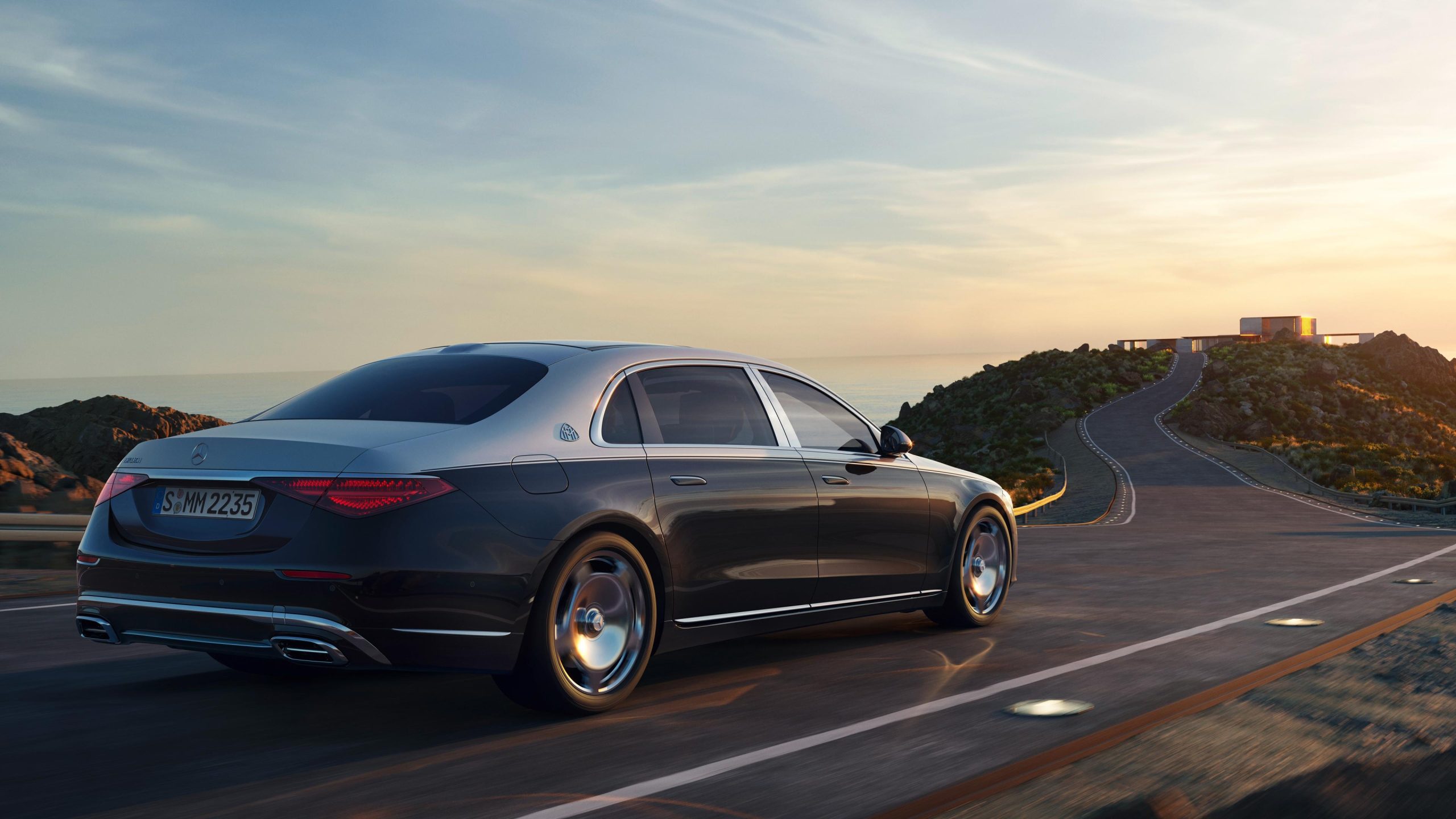
When buying a car, one of the biggest hidden costs is depreciation—the loss of value over time. While all vehicles lose value, luxury cars from brands like Mercedes-Benz, BMW, and Lexus often behave differently compared to regular cars.
Interestingly, although luxury cars can depreciate quickly in the first few years, the right models and brands tend to hold their value significantly better in the long run. Understanding why can help you make a smarter purchase decision.
Understanding Car Depreciation
Depreciation is the reduction in a car’s value as it ages. On average, cars can lose 20–30% of their value in the first year alone, and up to 50% within five years .
However, not all cars depreciate equally. Some luxury vehicles—especially those with strong demand and reputation—retain value better than standard mass-market vehicles.
1. Superior Build Quality and Engineering
Luxury cars are engineered with precision and built using premium materials. Brands like Volvo and Audi focus on durability, safety, and refined craftsmanship.
- High-quality interiors last longer
- Better paint and finishing resist aging
- Engine components are designed for longevity
This means even after years of use, luxury cars often remain in better condition than regular vehicles—boosting resale value.
2. Strong Brand Reputation and Perceived Value
Brand perception plays a massive role in resale pricing. Premium brands like Porsche and Mercedes-Benz command strong resale demand due to:
- Heritage and prestige
- Proven engineering excellence
- Global brand trust
For example, models like the Porsche 911 are known to depreciate as little as 15–20% over five years, far better than average cars .
3. Limited Production and Exclusivity
Unlike regular cars produced in large volumes, many luxury vehicles are built in limited numbers.
Brands such as Ferrari and Lamborghini rely on exclusivity to maintain demand.
Why this matters:
- Lower supply = higher resale demand
- Collectible models may even appreciate
- Unique designs remain desirable
This exclusivity protects long-term value in ways mass-market cars cannot match.
4. Advanced Features That Stay Relevant Longer
Luxury cars are often the first to introduce cutting-edge technology—whether it’s driver assistance, infotainment, or performance upgrades.
Brands like Tesla and BMW lead innovation.
However, while technology can also cause depreciation when it becomes outdated, high-end systems tend to remain relevant longer than standard features .
5. Higher Demand in the Used Car Market
After the initial depreciation drop, luxury cars often become more attractive in the used market.
Why? Because:
- Buyers get premium features at lower prices
- Status and brand appeal remain intact
- Performance still outmatches many new budget cars
This creates a strong second-hand demand, helping stabilize resale values over time .
6. Reliability and Maintenance History Matter
Not all luxury brands perform equally when it comes to resale value.
For example:
- Lexus models are known for reliability and lower depreciation
- German brands like BMW may depreciate faster due to higher maintenance costs
Reliable vehicles with proper service records always retain more value .
7. Certified Pre-Owned (CPO) Programs Boost Resale
Luxury brands often offer Certified Pre-Owned programs, especially from manufacturers like Mercedes-Benz and Audi.
These programs include:
- Thorough inspections
- Extended warranties
- Guaranteed quality
CPO programs increase buyer trust, which directly improves resale value .
8. Performance and Driving Experience
Luxury cars are built for performance—not just transportation.
Brands like Maserati and Aston Martin offer:
- Powerful engines
- Superior ride quality
- Premium driving feel
Even after years, these cars deliver a driving experience that many new regular cars cannot match—keeping them desirable.
9. The Initial Depreciation Curve Advantage
Luxury cars do experience a sharp drop in value early on. But after this initial phase:
- Depreciation slows down
- Value stabilizes
- Demand increases in used markets
This is why buying a 2–3 year old luxury car is often considered a smart financial decision .
Final Thoughts
Luxury cars may depreciate, but they tend to hold their value better than regular vehicles due to superior build quality, advanced features, and strong demand in the used market.
At Motozite, we believe choosing the right luxury car is not just about comfort or status—it’s about making a smart long-term investment. With the right approach, a luxury vehicle can deliver both premium driving experience and better resale value over time.