
Audi India has confirmed a price hike of up to 2 percent across its entire model range, set to take effect from April 1, 2026. This adjustment is part of the German luxury brand’s strategy to manage rising input costs and currency fluctuations, impacting vehicles from entry level SUVs to top tier performance models.
As India’s luxury car market continues to evolve, this price revision underscores ongoing cost pressures in the automotive industry. It is crucial for prospective buyers to understand the reasons behind the increase and how it may influence purchasing decisions this year.
1. Why Audi India Is Increasing Prices
According to the official announcement, Audi India is adjusting prices primarily to counter the following economic factors:
- Rising Input Costs: Increased expenses for raw materials and logistics have raised overall production costs.
- Currency Fluctuations: The depreciation of the Indian rupee against major foreign currencies, such as the euro, has impacted the cost of imported components and units.
Balbir Singh Dhillon, Brand Director of Audi India, stated that the company aims to minimize the impact on customers while aligning with the economic pressures currently affecting production and supply chains.
2. Which Models Are Affected
The price increase will apply to the entire Audi India portfolio. This includes popular sedans, versatile SUVs, and high performance electric vehicles:
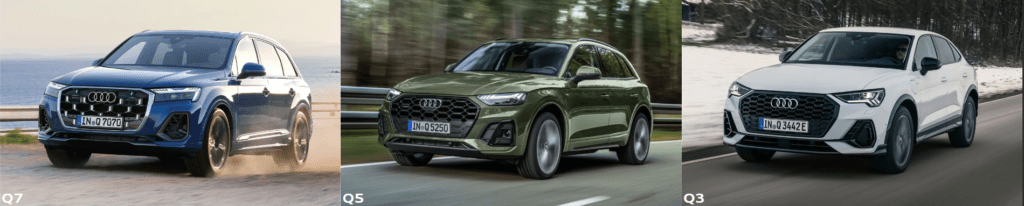
- Sedans: Audi A4 and Audi A6.
- SUVs: Audi Q3, Q3 Sportback, Q5, Q7, and Q8.
- Electric Range: Audi Q8 e-tron, Q8 Sportback e-tron, and e-tron GT.
- Performance Models: The RS Q8 and the recently launched SQ8.
While the hike is capped at 2 percent, the exact change in ex showroom prices will vary depending on the specific model and variant. For instance, the entry level Audi Q3 may see an increase of approximately 86,000 rupees, while the top end RS Q8 could see an adjustment of over 4.60 lakh rupees.
3. What This Means for Buyers
For customers considering a new luxury vehicle, timing is a critical factor in the total cost of ownership:
- Pre April Purchase: Buying before April 1, 2026, allows customers to lock in current prices and avoid the upcoming hike.
- Post April Purchase: All bookings cleared after the deadline will reflect the updated pricing, increasing the initial investment.
This move follows a broader industry trend. Other major luxury players, including Mercedes Benz and BMW, have also announced similar price adjustments effective from April 2026 to offset macroeconomic challenges.
4. Industry Context and Market Impact
The luxury car segment in India remains highly sensitive to global supply chain disruptions and foreign exchange volatility. Because a significant portion of the lineup consists of Completely Knocked Down (CKD) units or Completely Built Units (CBUs), even minor shifts in the value of the rupee can necessitate pricing corrections.
Despite these incremental hikes, demand in the premium segment remains resilient. Experts predict moderate growth for the luxury sector in 2026, driven by a strong appetite for high end SUVs and the increasing adoption of electric luxury vehicles.
Closing Thoughts
The April 2026 price hike by Audi India reflects the shifting economic dynamics currently shaping the automotive landscape. These changes highlight how external factors, from raw material inflation to exchange rate volatility, directly influence retail pricing strategies. For enthusiasts and prospective owners, staying informed on these market shifts is the best way to ensure a well timed and value driven purchase.
To stay ahead of the curve with the latest automotive insights, expert analysis, and comprehensive model comparisons, follow Motozite for regular updates on the evolving Indian car market.