
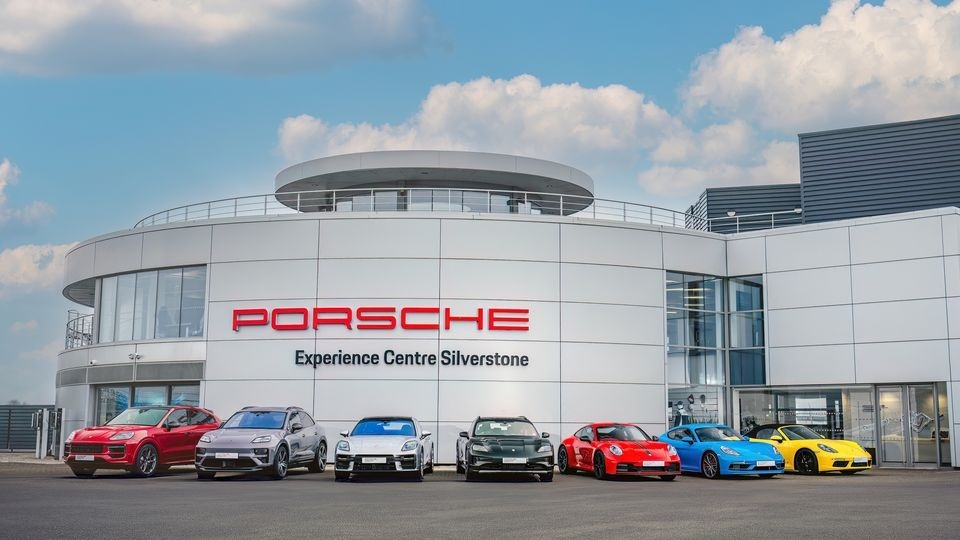
German luxury automaker Porsche AG is undergoing a significant strategic transformation aimed at strengthening its core sports car business while scaling back non-essential operations. The move comes amid mounting financial pressures, changing global automotive demand, and the company’s ongoing transition toward a more sustainable and profitable product lineup.
Recent developments in May 2026 show Porsche cutting over 500 jobs and shutting down multiple specialized subsidiaries as part of a broader restructuring drive led by CEO Michael Leiters. The strategy focuses on restoring high-margin profitability after a challenging 2025 fiscal year.
Why Porsche Is Refocusing on Core Business
Porsche’s restructuring is a targeted response to several industry-wide and internal challenges:
- Weakening Global Demand: Significant sales declines in the Chinese market, where deliveries fell by over 25 percent in 2025 due to competition from local EV brands like BYD and Xiaomi.
- Profitability Erosion: A sharp drop in operating profit during the first quarter of 2026, following a 2025 fiscal year where operating margins collapsed to roughly 1.1 percent.
- Geopolitical Pressures: Mounting costs related to international trade tariffs and supply chain disruptions.
- EV Strategy Recalibration: A pivot from a purely electric roadmap toward a “technology-open” strategy that balances high-performance combustion engines, hybrids, and electric vehicles.
The company is doubling down on its most profitable segment-high-performance luxury sports cars-while exiting experimental ventures that no longer offer a viable long-term financial perspective.
Job Cuts and Subsidiary Closures
A central part of the 2026 restructuring is the discontinuation of three key subsidiaries, resulting in the elimination of approximately 500 positions.
The affected units include:
- Cellforce Group: Based in Kirchentellinsfurt, this battery technology developer will be wound down. Porsche cited a lack of a viable long-term perspective under the new powertrain strategy.
- Porsche eBike Performance: Located in Ottobrunn and Zagreb, this unit developed electric drive systems for e-bikes. Operations are being closed due to fundamentally changed market conditions in the e-mobility sector.
- Cetitec: A software developer focused on data communication based in Pforzheim. The closure is driven by shifting development priorities within the broader Volkswagen Group.
These closures represent a decisive move to trim the corporate footprint and consolidate research and development efforts within the core automotive brand.
The “Value Over Volume” Strategy
Under the leadership of Michael Leiters, Porsche is reinforcing a philosophy of Value Over Volume. This means the brand will prioritize profit margins and brand exclusivity over chasing mass-market sales figures.
Key pillars of this strategy include:
- Protecting the 911 Lineage: Ensuring the iconic sports car remains the heart of the brand’s identity and profitability.
- High-Margin Customization: Expanding the “Sonderwunsch” (special request) and personalization programs to increase the average revenue per vehicle.
- Streamlined Product Lineup: Reducing organizational complexity and focusing on core luxury SUVs like the Cayenne and high-performance two-door models.
- Strategic Divestment: Following the sale of its stakes in Bugatti Rimac and the Rimac Group, Porsche is focusing its capital on internal engineering excellence.
What This Means for the Future of Porsche
The 2026 restructuring signals a “rebound year” intended to return Porsche to its target operating margin of 17 to 20 percent in the medium term. While the current job cuts are described as “painful” by leadership, they are viewed as the indispensable foundation for a successful strategic realignment.
For the global luxury market, Porsche’s shift serves as a bellwether for other legacy automakers. It highlights a broader industry trend where the focus is moving away from aggressive diversification and back toward brand-defining strengths and fiscal discipline.
Conclusion
Porsche’s decision to refocus on its core business marks a turning point for one of the world’s most iconic automotive brands. While the discontinuation of subsidiaries signals short-term disruption, the long-term goal is to protect Porsche’s position as a high-performance, high-margin luxury carmaker. By balancing traditional automotive passion with a leaner, more efficient business model, Porsche aims to secure its resilience in an increasingly volatile global market. For more in-depth reviews, expert analysis, and the latest updates on Porsche’s strategic moves and global automotive trends, follow Motozite. We provide comprehensive insights to help you stay ahead of the curve in the rapidly evolving world of luxury mobility.