
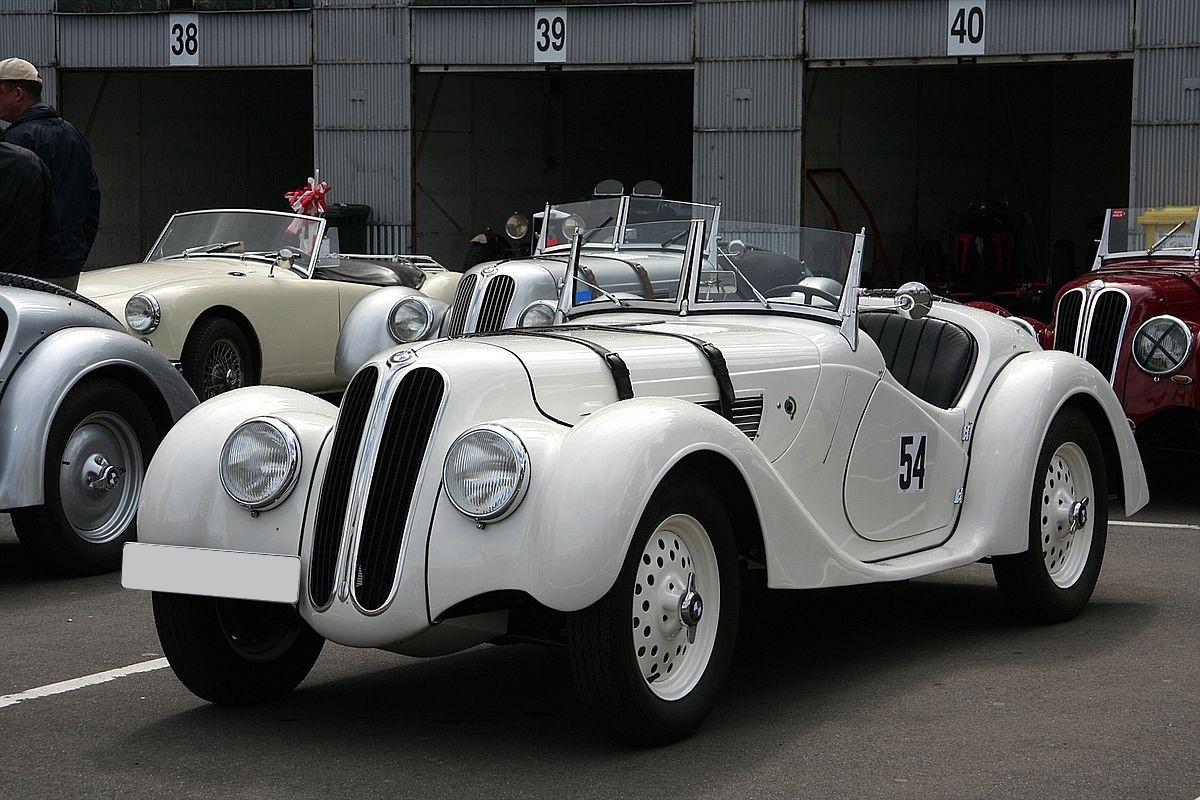
Luxury cars are no longer defined by just premium badges or expensive interiors. Today’s market is divided between two very different philosophies — old-money luxury and modern luxury.
Old-money luxury focuses on timeless comfort, understated elegance, and long-term refinement. Modern luxury, on the other hand, prioritises technology, digital experiences, bold styling, and performance-focused appeal.
For Indian buyers, understanding this difference matters more than ever. Road conditions, chauffeur-driven use, maintenance expectations, and resale value all influence which type of luxury car makes the most practical sense.
What Defines Old-Money Luxury?
Old-money luxury is built around subtle sophistication rather than attention-grabbing design. These cars are engineered to feel effortless, calm, and comfortable even after years of ownership.
Key characteristics include:
- Minimal yet elegant styling
- Exceptional ride comfort
- Premium cabin materials
- Quiet driving experience
- Strong rear-seat comfort
Cars following this philosophy are often preferred by business owners, mature buyers, and families who value refinement over aggressive styling.
A luxury sedan like the Mercedes-Benz S-Class represents this approach perfectly with its focus on comfort, cabin isolation, and long-distance usability.
What Defines Modern Luxury?
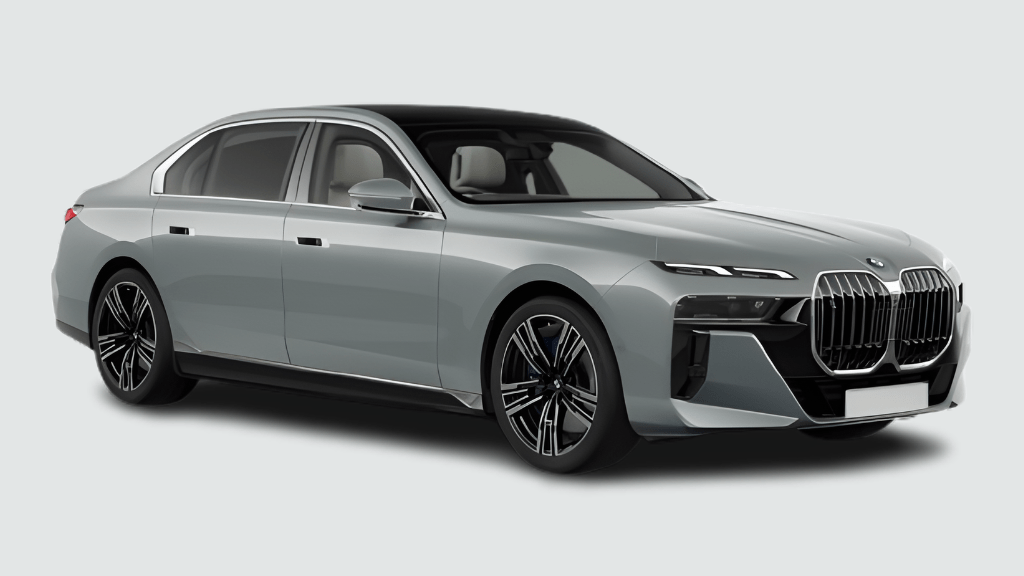
Modern luxury cars are designed to create a stronger visual and technological impact. Large touchscreens, connected features, ambient lighting, and sporty exterior styling now play a major role in premium car buying decisions.
Instead of understated elegance, modern luxury focuses on:
- Futuristic interiors
- Performance-oriented driving feel
- AI-driven infotainment systems
- Sportier road presence
- Electrification and digital technology
Vehicles like the BMW i7 reflect how luxury is shifting towards a technology-first experience.
This category is especially popular among younger buyers who prefer self-driving, modern cabin layouts, and advanced features over traditional luxury traits.
Ride Comfort vs Driving Experience
One of the biggest differences between old-money and modern luxury cars is how they feel on Indian roads.
Traditional luxury vehicles prioritise suspension comfort and cabin stability. The focus is on making passengers feel relaxed, especially during long city commutes or highway travel. Softer suspension setups also perform better on uneven roads and speed breakers commonly found across India.
Modern luxury vehicles usually offer firmer suspension tuning and sharper handling. While this improves cornering confidence and high-speed stability, it can reduce comfort on rough surfaces.
For buyers who spend more time being chauffeur-driven, ride quality often becomes more important than sporty handling.
Interior Experience and Cabin Design
Old-money luxury interiors are designed to feel timeless. Physical controls, rich leather finishes, soft-touch materials, and carefully insulated cabins create a sense of calm that remains appealing for years.
Modern luxury cabins focus heavily on digital interaction. Large displays and touch-sensitive controls certainly look futuristic, but they may not always feel as intuitive during daily driving.
This is becoming increasingly important in India, where traffic-heavy conditions demand ease of use rather than excessive reliance on screens.
Luxury buyers today are also paying closer attention to practical comfort features such as:
- Rear-seat space
- Ventilated seating
- Air suspension quality
- Cabin noise insulation
- Ease of entry and exit
These factors often matter more in real-world ownership than headline technology features.
Which Luxury Style Ages Better?
Old-money luxury generally ages more gracefully because its design philosophy is less trend-driven. Clean styling and comfort-focused engineering remain desirable even after several years.
Modern luxury vehicles can sometimes feel outdated faster due to rapid changes in infotainment systems and digital technology.
For long-term ownership, many experienced buyers still prioritise:
- Ride comfort
- Reliability
- Build quality
- Service experience
- Timeless styling
This is especially relevant in the Indian luxury car market, where ownership costs and practicality play a major role in purchase decisions.
Which One Should Indian Buyers Choose?
The right luxury cars depend entirely on lifestyle and usage.
Choose old-money luxury if you:
- Prefer comfort over aggressive styling
- Frequently use a chauffeur
- Travel long distances regularly
- Want timeless road presence
- Prioritise refinement and cabin comfort
Choose modern luxury if you:
- Enjoy driving yourself
- Prefer advanced technology features
- Like sporty exterior styling
- Want futuristic interiors
- Value performance-focused dynamics
Neither approach is objectively better — they simply cater to different expectations.
Final Verdict
The difference between old-money luxury and modern luxury cars lies in philosophy rather than price. One focuses on timeless refinement and effortless comfort, while the other delivers technology, performance, and visual impact.
For Indian buyers, practicality remains just as important as prestige. Factors like ride quality, rear-seat comfort, road conditions, and long-term ownership experience should influence the final decision more than trends alone.
Whether you prefer traditional sophistication or technology-led luxury, Motozite helps buyers explore premium vehicles that align with real-world lifestyle needs rather than just specifications.