
Luxury cars have changed dramatically over the last ten years, but the biggest transformation has not happened under the bonnet. It has happened inside the cabin. Modern luxury car interiors are no longer just about leather seats and wood trim. Today, they combine technology, comfort, connectivity, sustainability, and intelligent design to create a complete premium driving experience.
For Indian buyers, this evolution is even more important. Luxury car owners in India often deal with long commutes, unpredictable road conditions, heavy traffic, and chauffeur-driven usage. As a result, rear-seat comfort, cabin insulation, infotainment quality, and practical luxury features now play a major role in purchase decisions.
Brands such as Mercedes-Benz S-Class, BMW 7 Series, Audi Q7, Lexus ES, and Range Rover have redefined what buyers expect from premium interiors. Let’s explore how luxury car cabins have evolved over the last decade and what that means for buyers in India today.
From Traditional Luxury to Digital Sophistication
A decade ago, luxury interiors focused heavily on craftsmanship. Premium leather upholstery, polished wood inserts, chrome accents, and soft-touch materials defined the segment. While those elements still matter, modern luxury has become far more technology-driven.
Large touchscreen displays, AI-based interfaces, ambient lighting, digital instrument clusters, and connected car technology are now central to the premium cabin experience. Buyers no longer evaluate interiors only by material quality. They also consider usability, comfort technology, and overall digital experience.
The shift is visible across multiple luxury brands. Earlier versions of the Audi A6 or BMW 5 Series focused more on driving ergonomics and understated design. Today’s models offer curved displays, wireless smartphone integration, voice-controlled systems, and highly personalised cabin settings.
The Rise of Minimalist Interior Design
One of the biggest trends in luxury car interiors has been the move towards cleaner and more minimal layouts. Physical buttons have reduced significantly, replaced by touch-based controls and integrated screens.
Large Digital Displays Became the New Standard
Modern luxury vehicles now feature seamless digital dashboards that combine infotainment and driver information into a unified layout. The latest Mercedes-Benz E-Class and BMW i7 showcase how premium cabins are becoming more futuristic and immersive.
This trend improves visual appeal while also creating a more spacious cabin feel. For Indian buyers, large displays also improve navigation usability during urban driving and highway travel.
Ambient Lighting Changed Cabin Experience
Ambient lighting was once limited to flagship sedans, but it has now become a defining luxury feature across segments. Multi-colour ambient lighting enhances cabin atmosphere, especially during night driving.
Vehicles like the Mercedes-Benz GLE and Range Rover Velar use layered lighting to create a more lounge-like experience inside the cabin. This feature has become particularly popular among chauffeur-driven owners who spend extended time in the rear seats.
Comfort Became More Important Than Ever
Luxury car interiors are now designed around passenger wellness and long-distance comfort rather than just premium styling.
Improved Seat Technology
Modern luxury seats offer ventilation, heating, massage functions, memory settings, and advanced lumbar support. This is especially useful in Indian weather conditions, where cabin comfort directly impacts the ownership experience.
The latest Lexus RX and BMW X5 focus heavily on ergonomic seating and ride comfort, making them suitable for both city usage and long highway journeys.
Cabin Insulation and Ride Refinement
Indian luxury car buyers increasingly prioritise cabin quietness due to traffic congestion and uneven road surfaces. Automakers now use acoustic glass, enhanced sound insulation, and adaptive suspension systems to improve overall refinement.
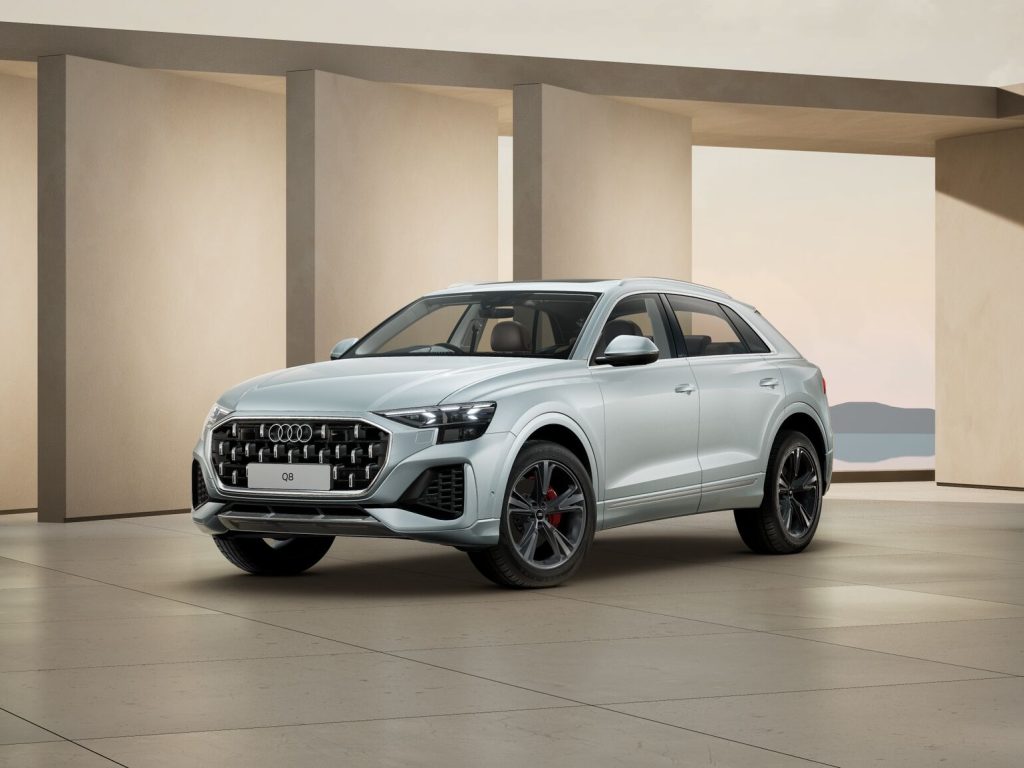
The latest Audi Q8 and Mercedes-Benz GLS deliver noticeably quieter cabins compared to older-generation luxury SUVs. Reduced cabin noise enhances music quality, passenger comfort, and overall premium feel.
Rear Seat Luxury Became a Priority
Unlike some international markets where owners mostly drive themselves, many luxury car buyers in India prefer chauffeur-driven usage. This has pushed automakers to focus heavily on rear-seat comfort.
Executive Rear Seating
Features such as reclining rear seats, powered sunshades, rear entertainment screens, and four-zone climate control have become increasingly common.
The BMW 7 Series and Mercedes-Benz S-Class continue to lead this segment by offering limousine-level rear comfort. Buyers looking for daily executive travel now evaluate rear-seat experience just as seriously as performance or exterior styling.
More Practical Luxury Features
Luxury interiors have also become smarter in terms of practicality. Wireless charging, multiple USB-C ports, ventilated rear seats, and panoramic sunroofs are now widely expected in premium vehicles.
These additions improve everyday usability while maintaining the premium appeal buyers expect from high-end cars.
Sustainable Materials Are Changing Premium Interiors
Luxury brands are now investing heavily in sustainable interior materials without compromising quality.
Modern cabins increasingly use recycled materials, vegan leather alternatives, open-pore wood finishes, and eco-friendly textiles. This reflects changing buyer preferences, especially among younger premium car customers.
The newer electric and hybrid luxury models from BMW, Audi, and Mercedes-Benz highlight this transition clearly. Sustainable luxury is gradually becoming part of the premium ownership experience rather than just a niche concept.
Technology Integration Defines Modern Luxury
Luxury interiors today function almost like smart living spaces. AI-powered voice assistants, connected car systems, over-the-air software updates, and smartphone-based controls are now common features.
Advanced Infotainment Systems
Modern infotainment systems have become faster, more intuitive, and visually advanced. Buyers now expect high-resolution displays, wireless Apple CarPlay, Android Auto, and seamless connectivity.
The latest Audi A8 and Mercedes-Benz EQS showcase how digital integration has become central to luxury cabin design.
Driver Assistance and Safety Features
Interior evolution is not limited to aesthetics. Driver-focused technologies such as head-up displays, adaptive cruise control, lane assist, and 360-degree cameras have significantly improved convenience and safety.
For Indian road conditions, these features enhance confidence during highway driving and urban manoeuvring.
What Indian Buyers Should Prioritise
When evaluating luxury car interiors today, Indian buyers should focus on more than just appearance.
Look Beyond Screens
Large displays may look impressive, but overall usability matters more. Buyers should test infotainment responsiveness, seating comfort, visibility, and storage practicality before making a decision.
Rear Seat Comfort Matters
For chauffeur-driven usage, rear-seat comfort should be a top priority. Features like seat recline, legroom, suspension comfort, and cabin insulation make a major difference during daily commuting.
Long-Term Quality Is Important
Premium materials should not only look luxurious but also age well in Indian climate conditions. Leather durability, panel fit quality, and touchscreen reliability are all important ownership considerations.
Final Verdict
Luxury car interiors have evolved from being purely premium spaces to becoming intelligent, connected, and comfort-focused environments. Modern buyers now expect a blend of technology, craftsmanship, practicality, and wellness features inside their vehicles.
Whether it is the futuristic cabin of the Mercedes-Benz S-Class, the driver-focused sophistication of the BMW 5 Series, or the refined comfort of the Range Rover, today’s luxury interiors are designed around lifestyle as much as driving. For Indian buyers, this evolution brings real benefits in terms of comfort, convenience, and long-term ownership experience. As luxury cars continue to become smarter and more personalised, interior quality will remain one of the most important factors influencing buying decisions. For more premium automotive insights and luxury car updates, Motozite continues to cover the latest trends shaping the high-end automotive market.