

Taking delivery of a new luxury car is a major milestone, but a rigorous Pre-Delivery Inspection (PDI) is vital to ensure your vehicle is structurally and legally flawless. This streamlined guide outlines the 10 essential exterior, interior, electronic, and documentation checkpoints every buyer must verify at the dealership before signing the final acceptance paperwork.
Why the Pre-Delivery Inspection (PDI) Matters
A new luxury car delivery is an emotional milestone, but it is also your final quality gate. Even premium vehicles from manufacturers like BMW, Mercedes-Benz, and Audi face multiple transit, loading, and dealership handling stages. Minor cosmetic blemishes, electronic glitches, or accessory mismatches can occur during logistics.
Executing a structured luxury car PDI checklist ensures:
- The vehicle completely matches the exact variant and specification you purchased.
- All electronic systems, safety suites, and mechanical components function perfectly.
- Any transport-related cosmetic micro-damage is documented and resolved.
- Critical Rule: Once you sign the delivery acceptance form, legal liability shifts. Resolving pre-existing defects becomes significantly more complicated.
1. Exterior Inspection: Body Panels & Paint Quality
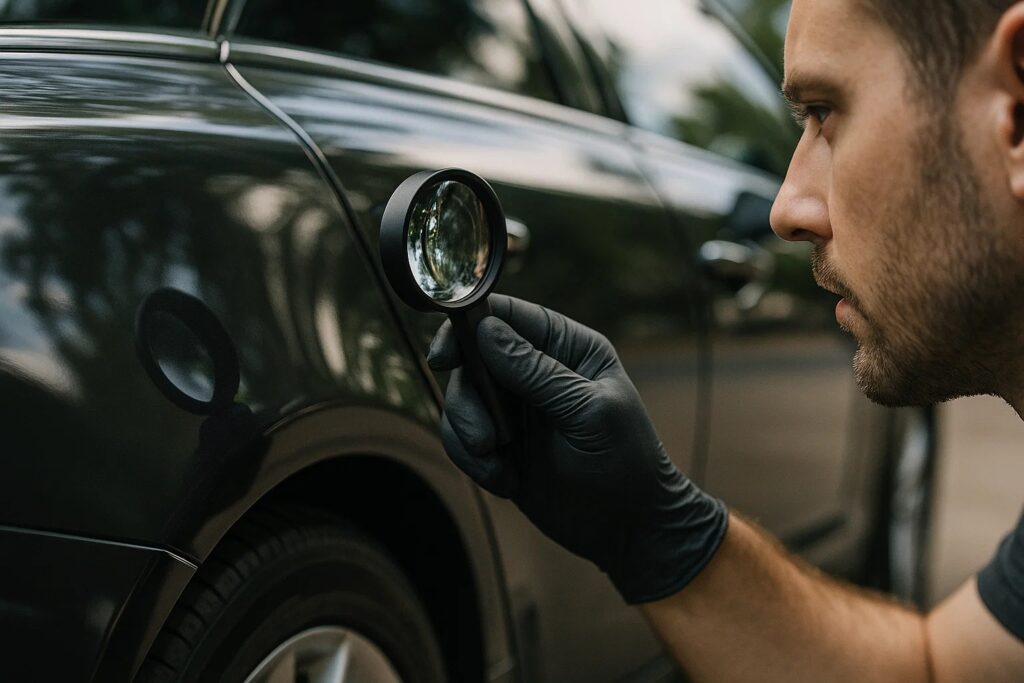
Begin with a detailed exterior walkaround under bright, natural daylight or highly lit dealership bays.
- Panel Gaps & Alignment: Inspect the hood, doors, trunk, and fenders. Ensure all gaps are perfectly uniform. Misaligned panels frequently point to rough handling or post-transport adjustments.
- Paint Consistency: Check for swirl marks, overspray, color mismatch, or uneven gloss levels. Pay close attention to the bumpers, as these are the most common areas repainted during dealership transit mishaps.
- Surface Imperfections: Look closely from multiple angles for stone chips, minor clear-coat scratches, or trapped dust particles.
2. VIN Verification & Vehicle Identity
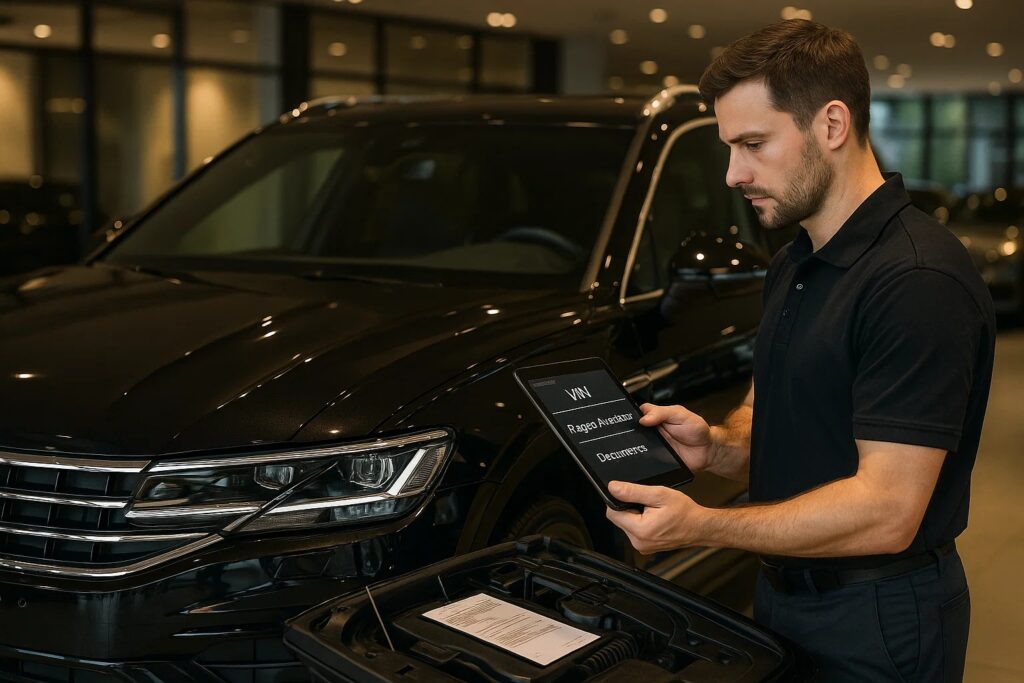
The 17-character alphanumeric Vehicle Identification Number (VIN) is your car’s definitive identity fingerprint.
- Where to Look: Check the base of the windshield, the driver-side door frame, the engine bay stamping, and your official invoice and insurance papers.
- The Check: Ensure the VIN matches identically across all physical stamps and financial documentation.
- Model Year Check: Decipher the 10th character of the VIN to confirm the exact model year production cycle (e.g., “T” represents the 2026 model year framework) to avoid being handed older inventory.
Also Read: New Car Buying Guide: How to Buy Luxury Car in India
3. Tyres and Wheels Check
Tyre replacements on premium vehicles are highly expensive, making a baseline structural check essential.
- Manufacturing Date: Locate the 4-digit DOT code on the tyre sidewall (e.g., “1226” means the 12th week of 2026). Ensure the rubber is fresh and not aged from long-term depot storage.
- Brand & Tread Match: All four tyres must feature the identical brand, model, specification, and tread depth pattern.
- Alloy Wheels: Inspect wheel rims for curb rashes, scratches, or missing center hub branding caps. Verify the presence of the spare tyre or factory-issued tyre inflator kit.
4. Cabin Fit, Finish & Interior Quality
The interior defines the luxury experience. Catching assembly or cleaning oversights early prevents persistent rattles later.
- Upholstery Integrity: Examine leather seats for unnatural wrinkles, stretching, scuffs, or stitching discoloration.
- Component Testing: Test all electronic seat adjustment controls, memory profiles, electronic steering rake settings, and cycle the sunroof through complete open, tilt, and close sequences.
- Ambient Lighting: Turn on the cabin’s ambient lighting zones to check for uniform color output and dead LED clusters.
5. Electronics & Infotainment Integration
Modern premium cars operate on intricate software ecosystems. Do not fast-track this step of your car delivery inspection.
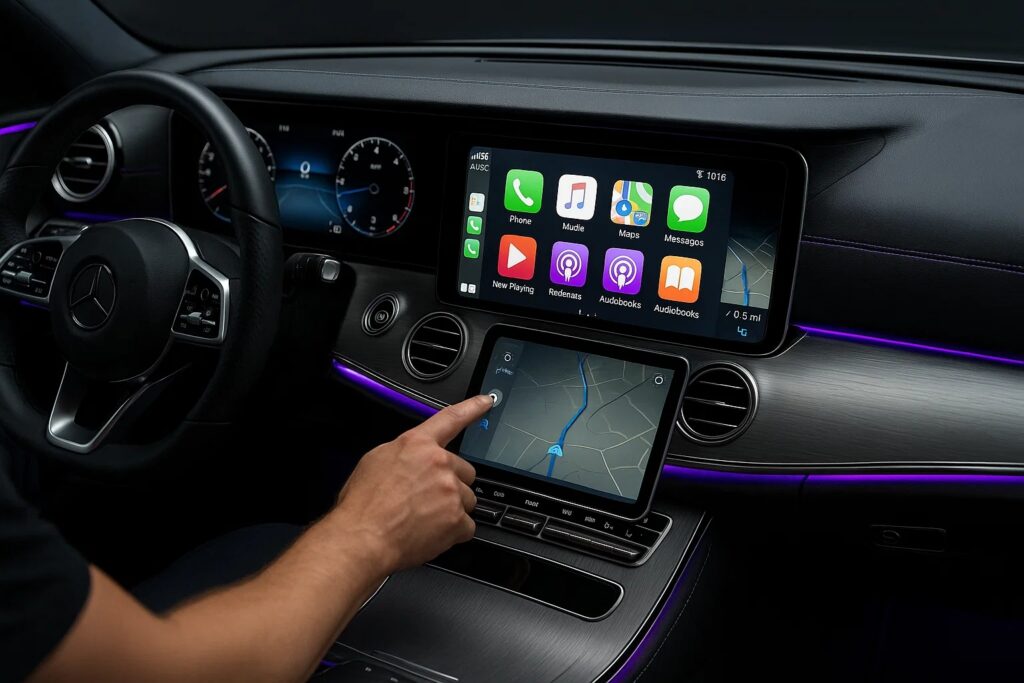
- Screen Status: Check the primary infotainment display and digital cockpit for initialization speed, lag, or dead pixels.
- Connectivity Suites: Pair your smartphone via Bluetooth to confirm wireless Apple CarPlay and Android Auto stability.
- Driver Assistance (ADAS): Verify that the 360-degree camera stitching is accurate, blind-spot indicators flash properly, and parking sensors trigger correct audio-visual warnings.
6. Odometer & Mileage Verification
- Acceptable Range: A factory-fresh vehicle typically shows an odometer reading between 10 km and 50 km. This accounts for factory testing, loading docks, and short dealership transfers.
- Red Flag: Any mileage reading significantly exceeding 50 km requires a formal, written explanation from the dealership management before you accept the keys.
7. Accessories & Optional Add-Ons
Cross-reference your itemized final invoice against what is physically present inside the vehicle.
- Factory vs. Dealer Fitted: Ensure carpet mats, boot organizers, mud flaps, styling kits, and EV charging cables match the exact part numbers billed.
- Uninstalled Items: Secure any loose items included in your packages (e.g., component toolkits, medical first-aid packs, warning triangles).
8. Documentation & Invoice Verification
A successful new car inspection checklist India process requires flawless legal paperwork.
| Essential Document | Key Verification Points |
| Retail Invoice | Confirm exact variant names, exterior paint codes, and structural engine numbers match your booking sheet. |
| RTO Registration Receipts | Ensure your permanent or temporary registration details, tax slabs, and owner names are spelled correctly. |
| Warranty Certificate | Validate that the manufacturer-backed warranty and extended coverage start dates are aligned exactly with your delivery date. |
Common Red Flags & Next Steps
Watch For:
- Discrepancies in the VIN across invoicing or insurance paperwork.
- Mismatched tyre brands or signs of uneven tread wear.
- Poorly blended paint finishes on panel borders or bumpers.
- Electronic lag, warning lights on the dash, or loose trim panels.
What to Do If Issues Are Found:
- Point out the defect immediately to your dedicated relationship manager and the showroom sales head.
- Photograph or record video evidence of the problem directly on the dealership floor.
- Obtain a formal written acknowledgement from the dealership specifying the issue and a clear timeline for rectification.
- Do not sign the delivery acceptance form if the defect compromises the mechanical integrity or the legal identity of the vehicle.
Conclusion
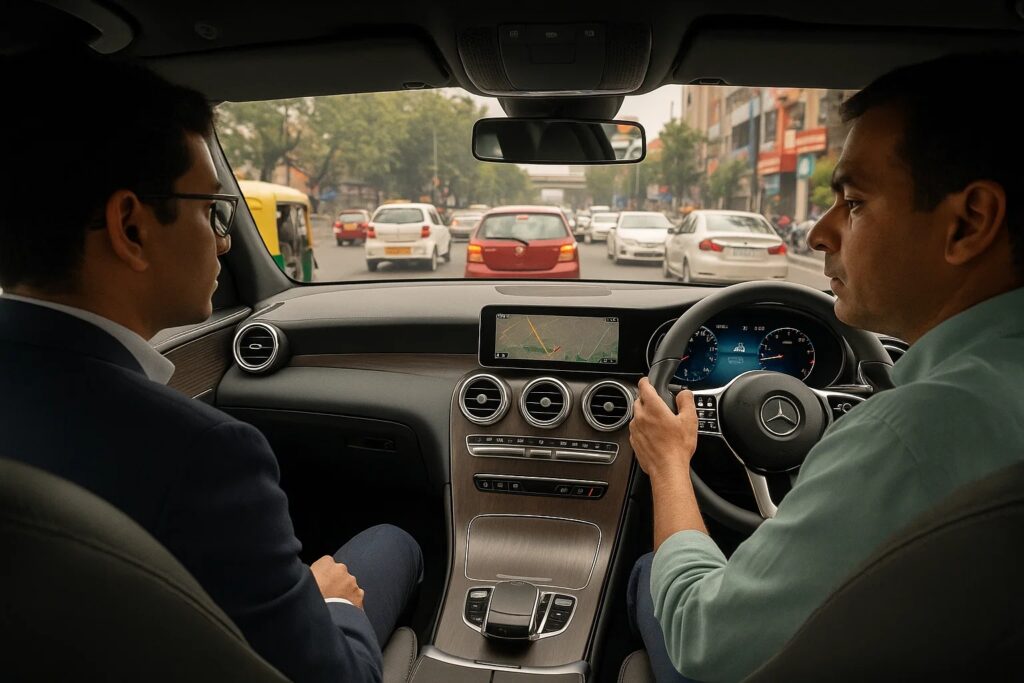
A disciplined pre-delivery inspection is your final opportunity to guarantee that your vehicle is as pristine in reality as it is on paper. By systematically assessing the exterior finish, cross-checking the VIN, verifying the electronic suites, and reviewing the legal paperwork, you eliminate the risk of post-delivery disputes.
For comprehensive luxury car buying strategies, deep-dive automotive analyses, and expert financial templates for the Indian market, follow Motozite for definitive premium car insights.