
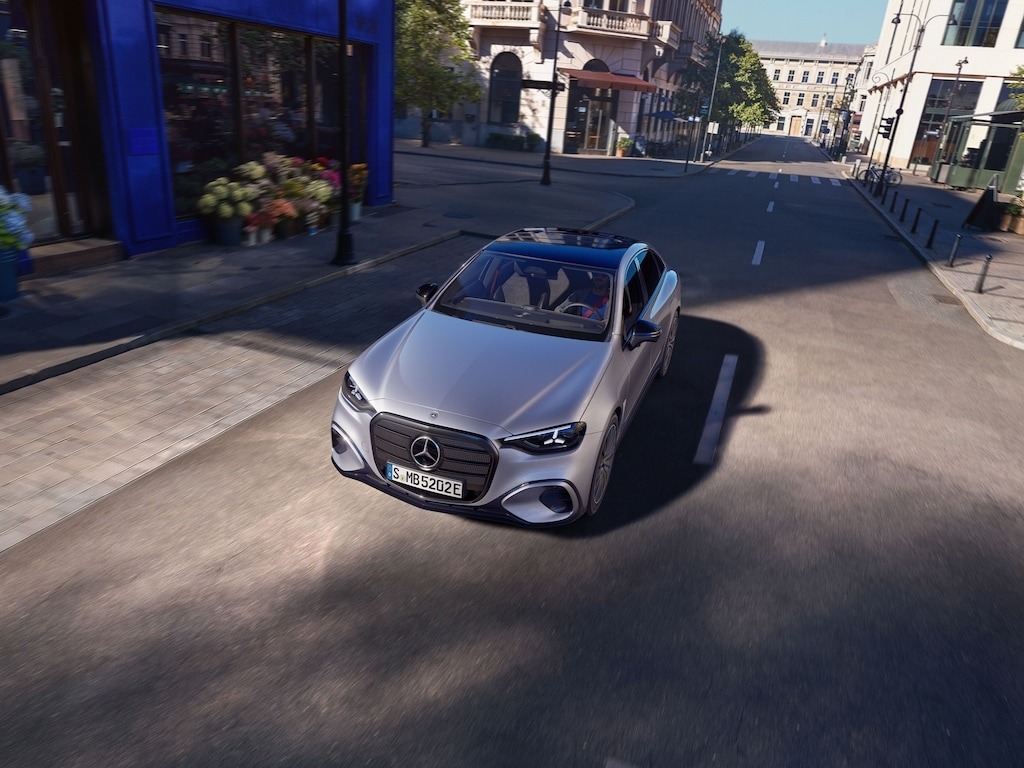
The Indian luxury car market is undergoing a profound structural transformation, evolving from a niche segment into a sophisticated ecosystem driven by rising affluence and shifting consumer values. Mercedes-Benz India, led by MD and CEO Santosh Iyer, has moved beyond simple volume targets to adopt a strategy centered on brand exclusivity, digital innovation, and long-term sustainability. In an era where the market is projected to reach a valuation of$4.99 billion in 2026, the brand’s focus on high-margin segments and technological leadership is setting a new industry standard.
This editorial explores the core pillars of Mercedes-Benz’s strategy and the critical trends currently shaping the high-end automotive landscape in India.
1. The Shift to Value Over Volume
Mercedes-Benz has fundamentally redefined its success metrics by prioritizing its Top-End Vehicle (TEV) segment. This strategic pivot focuses on models priced above 1.5 crore, such as the S-Class, Maybach, and AMG range, effectively insulating the brand from the volatility of the entry-level market.
- Top-End Growth: In the 2025-26 fiscal year, TEV models contributed a significant 27% to total sales, reflecting a 16% growth in this high-margin category. Flagship models like the AMG G 63 and Maybach S-Class currently command waiting periods of up to 12 months, highlighting robust demand.
- De-emphasizing Entry Luxury: The company has consciously reduced entry-segment volumes by 23%, avoiding aggressive price wars that can dilute brand equity. This is a key differentiator in a market where competitors often rely on entry-level models for up to 40% of their total volume.
- Record Performance: Mercedes-Benz India reported its highest-ever fiscal sales in 2025-26, retailing 19,363 vehicles. This performance was bolstered by a 7% growth in the first quarter of 2026 alone, proving the resilience of the luxury consumer base.
2. Modern Luxury: Experience Beyond the Product
For the contemporary Indian buyer, luxury is no longer defined solely by the badge, but by the seamless integration of technology and lifestyle.
- Retail of the Future: Under its direct-to-consumer model, Mercedes-Benz manages national inventory directly. This ensures transparent, uniform pricing across India and provides a consistent premium experience, regardless of the dealership location.
- Technological Integration: The brand is introducing the MB.OS (Mercedes-Benz Operating System), a centralized digital architecture. This system enables advanced features like augmented reality navigation and sophisticated voice assistance, turning the car into a “software-defined vehicle.”
- Personalization and Exclusivity: Modern buyers increasingly view their vehicles as an extension of their personal brand. To meet this, Mercedes-Benz offers extensive customization through its Manufaktur program, allowing for bespoke paint finishes and rare interior materials.
3. The Electrification and Sustainability Roadmap
Mercedes-Benz India is aggressively pursuing its “Ambition 2039” goal, aiming for a carbon-neutral fleet across the entire value chain. The brand is successfully transitioning from an “EV-only” curiosity to a core business pillar.
- EV Momentum: Battery electric vehicles (BEVs) now account for 20% of all top-end sales. The segment saw a staggering 85% year-on-year growth, driven by the success of the EQS SUV and Maybach EQS SUV.
- Local Assembly Advantage: In a major move for 2026, Mercedes-Benz has commenced the local assembly of the GLS Maybach in India-the first market outside the US to do so. This localization has reduced the price from 3.37 crore to 2.75 crore, making ultra-luxury more accessible while preserving healthy margins.
- Expanding the Fleet: The company is set to launch the CLA EV in the first half of 2026. Built on the new MMA architecture, it promises a range of nearly 792 km (WLTP), setting a new benchmark for electric efficiency in the luxury sedan segment.
4. Emerging Trends and Market Dynamics
The profile of the Indian luxury car buyer is evolving, necessitating a more agile approach to marketing and service.
- Younger Demographics: The average age of a Mercedes-Benz buyer has dropped significantly. Entrepreneurs, startup founders, and high-earning professionals are now the primary drivers of growth, often purchasing a luxury vehicle as their first major lifestyle statement.
- The Rise of Regional Hubs: While Delhi NCR and Mumbai remain the largest markets, demand is surging in Tier-2 and Tier-3 cities. To support this, the brand is investing 450 crore alongside franchise partners to revamp 20 retail facilities and expand into 10 new regional markets.
- Policy and Trade: The industry remains optimistic about the India-European Union Free Trade Agreement (FTA). If ratified, a reduction in import duties from 110% to approximately 10% (within specific quotas) could exponentially increase market size and variety.
5. 2026-27 Outlook: A Sustained Product Offensive
To maintain its leadership position against intensifying competition, Mercedes-Benz has planned a robust product rollout for the 2026-27 period.
- 12 New Launches: The 2026 calendar includes 12 new products, ranging from high-performance AMGs like the A45 S Aero Track Edition to updated versions of the core E-Class and GLC SUVs.
- Digital and Green Synergy: Future retail formats will focus on “Green Retail,” utilizing renewable energy and sustainable materials in showroom construction, aligning the physical brand presence with its global environmental goals.
- Resilience Amid Challenges: While currency volatility-specifically the appreciation of the Euro against the Rupee-presents a challenge, the brand’s focus on “value-rich” offerings ensures that customer loyalty remains high even during calibrated price adjustments.
Key Takeaways
- Strategic Pivot: Focus on Top-End Vehicles (TEV) has resulted in record-breaking revenue and 16% growth in the high-luxury segment.
- Localisation Leadership: India is the first global hub outside the US to assemble the Maybach GLS, significantly improving price competitiveness.
- EV Acceleration: Electric vehicles now represent a fifth of top-tier sales, with an 85% growth rate indicating strong future potential.
- Network Expansion: A 450 crore investment is fueling the expansion of luxury outlets into emerging Indian cities.
Conclusion
The trajectory of Mercedes-Benz India highlights a clear vision: the future of luxury is not just about moving people, but about moving the world toward a more sustainable and technologically integrated future. By balancing its heritage of performance with a forward-thinking digital and green strategy, the brand continues to set the benchmark for excellence in the Indian market. For the latest expert analysis on luxury automotive trends, detailed model comparisons, and industry updates, follow Motozite and stay ahead of the curve.