
India’s luxury car market is closely watching the progress of the India-European Union Free Trade Agreement (FTA), and BMW India has now added urgency to the conversation. According to BMW Group India President and CEO Hardeep Singh Brar, speaking in May 2026, delays in implementing the signed agreement could lead buyers to postpone vehicle purchases while waiting for price reductions on imported European cars.
The statement highlights growing uncertainty in India’s premium automotive segment, where customers are increasingly adopting a wait-and-watch approach in anticipation of how lower import duties will reshape luxury car pricing.
Why BMW India Wants Faster FTA Implementation
BMW India believes that a quicker and clearer rollout of the India-EU FTA is essential to stabilize customer sentiment and reduce market hesitation. During a Federation of European Business in India (FEBI) session in May 2026, Brar emphasized that the current lack of a firm activation date encourages consumers to delay buying decisions.
At the core of the discussion is India’s current import duty structure on fully imported luxury vehicles (CBUs):
- 110 percent duty for vehicles with a CIF (Cost, Insurance, and Freight) value above $40,000.
- 70 percent duty for vehicles priced below $40,000.
Under the landmark FTA signed in January 2026, these tariffs are set to drop significantly. Brar noted that in the first year of implementation, the duty on high-end imports could fall from 110 percent to 40 percent, eventually reaching as low as 10 percent over a five-year period within a defined quota system.
Will BMW Cars Become Cheaper In India?
The short answer is: not for every model, and not immediately.
While the India-EU FTA has created excitement, the actual impact on the road will be nuanced. Most BMW models sold in India are currently locally assembled through Completely Knocked Down (CKD) operations, which already benefit from lower duty structures compared to full imports.
- Mainstream Models: Popular vehicles like the BMW 3 Series, 5 Series, X1, and X3 are locally assembled. These are unlikely to see dramatic price cuts because the FTA primarily targets the high duties on CBUs (Completely Built Units).
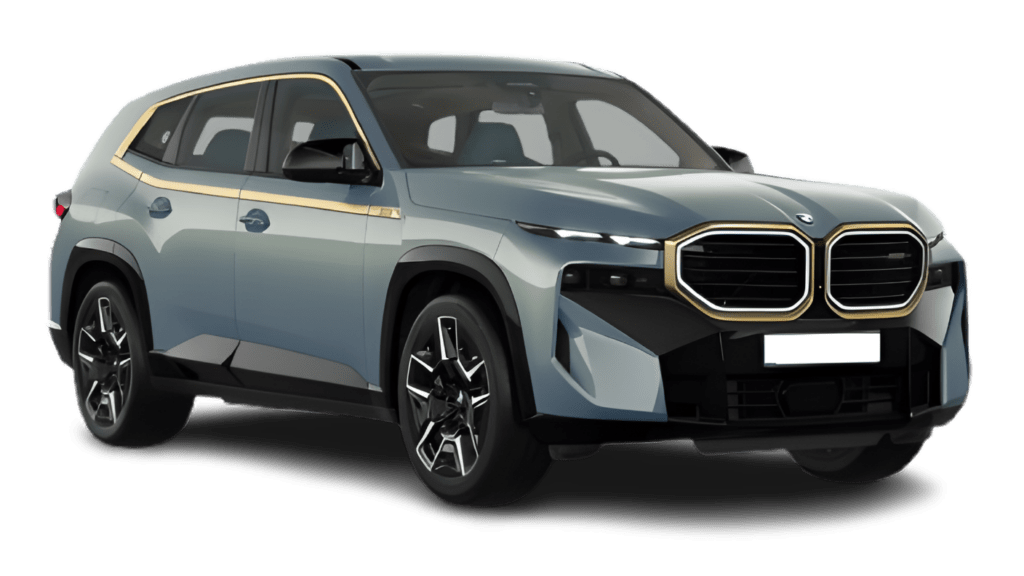
- High-Performance & Luxury Imports: The biggest beneficiaries will be flagship and niche models imported directly from Europe. This includes the BMW M high-performance range, XM, and certain all-electric (BEV) models.
- Price Correction Estimates: Industry analysts suggest that once the 40 percent initial duty kicks in, fully imported models could see price reductions of 20 to 30 percent. However, global inflation, rising material costs, and rupee fluctuations may partially offset these savings.
The Concern of Consumer Uncertainty
BMW’s primary concern is that the “anticipation of a discount” is effectively stalling the market. When buyers believe a Rs 2 crore car might cost Rs 1.5 crore in twelve months, they stop signing cheques.
To combat this, BMW has requested:
- Firm Implementation Timelines: Clear visibility on exactly when the phased duty cuts will begin (currently targeted for 2027).
- Quota Transparency: Clarity on the Tariff Rate Quota (TRQ), which is expected to limit lower-duty imports to approximately 250,000 units annually for the entire industry.
- Predictability: A stable policy environment that allows manufacturers to plan production and import allocations without sudden shifts in fiscal math.
Which Models Stand to Gain?
If the India-EU FTA implementation proceeds as planned, the vehicles most likely to see noticeable price corrections are those currently hindered by the 110 percent “luxury tax”:
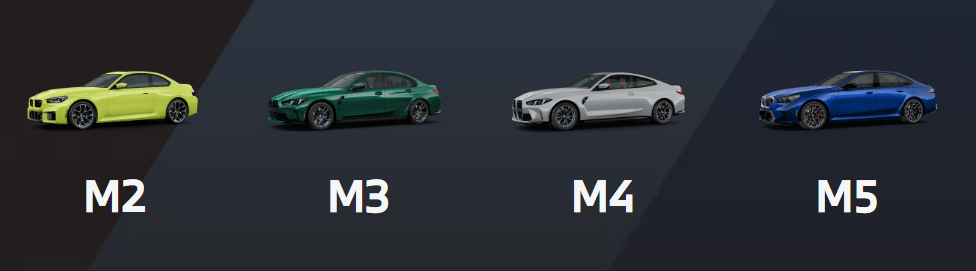
- BMW: M3, M4 Competition, M8, and the i7 electric sedan.
- Mercedes-Benz: G-Wagon, Maybach S-Class (CBU variants), and AMG models.
- Audi: RS e-tron GT and RS Q8.
- Porsche: 911 and Taycan series.
The Road Ahead for Buyers
For now, BMW India’s message to customers is one of pragmatism. Brar has advised that since the most significant changes are likely slated for 2027, buyers in immediate need of a vehicle should not delay their purchase.
The India-EU FTA is the “mother of all deals” for the automotive sector, representing the most significant opening of the Indian auto market in decades. While it promises to make high-end European engineering more accessible, it will be a gradual transition rather than an overnight price collapse.
For more in-depth reviews, technical specifications, and the latest updates on how trade policies are shaping the Indian luxury car market, follow Motozite. We provide expert analysis and the latest industry trends to help you make informed decisions in the fast-evolving world of premium mobility.