
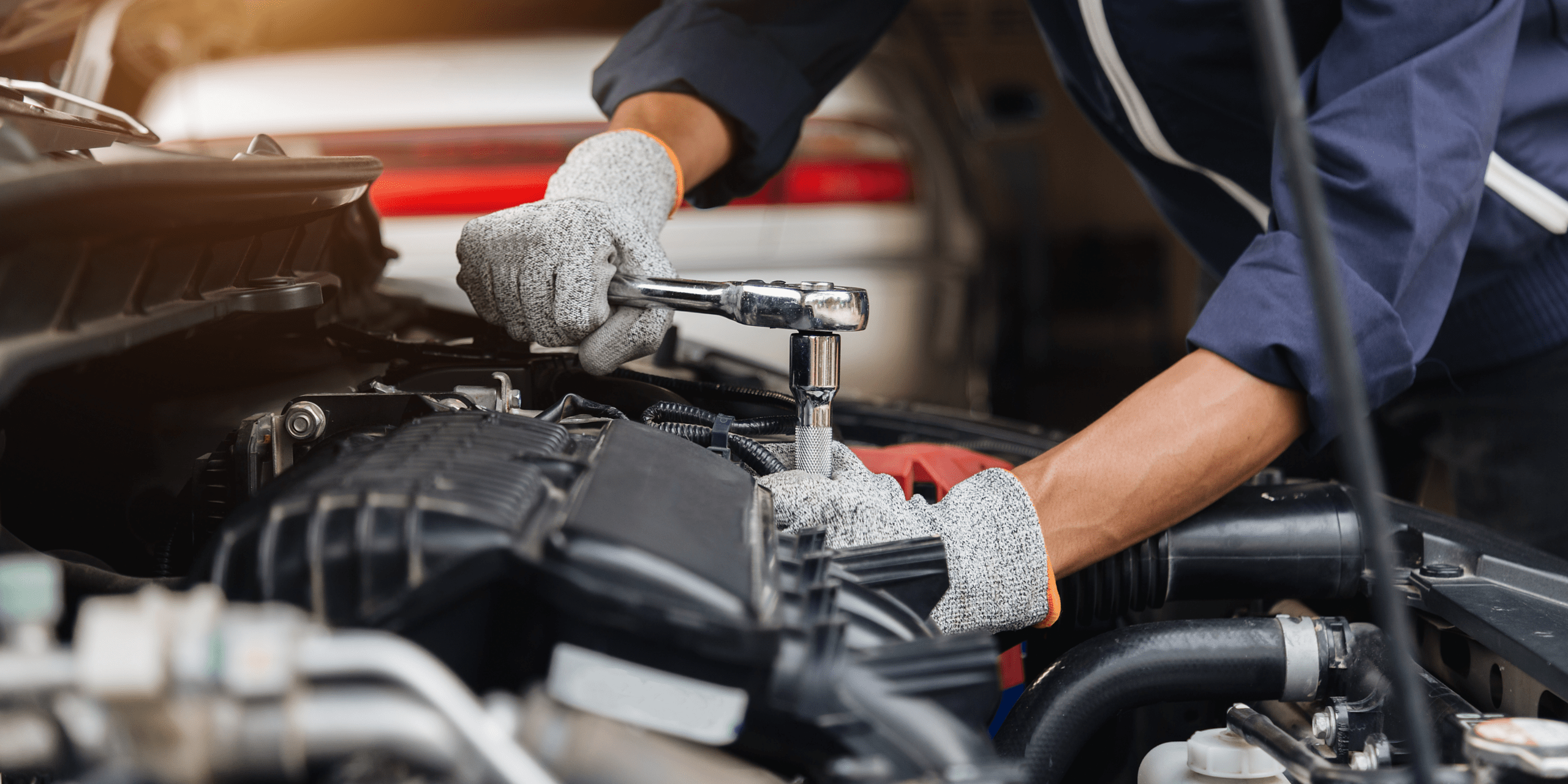
Luxury car dealerships heavily promote Value-Added Services (VAS) during the emotional pre-delivery phase. While some manufacturer-backed protection plans offer essential risk mitigation, many dealer-bundled cosmetic add-ons carry massive markups with minimal long-term utility. This guide filters the high-value investments from the overpriced profit margins.
The Luxury Car VAS Landscape: OEM vs. Dealer-Sold
Value-Added Services (VAS) encompass all optional products, maintenance packages, and protective treatments offered at the time of purchase. To protect your capital, you must distinguish between two primary categories:
- OEM-Backed Services: Programmed directly by manufacturers (e.g., BMW, Mercedes-Benz, Audi). These feature standardized pricing, predictable coverage, and seamless transferability to the next owner, directly boosting resale value.
- Dealer-Sold Add-Ons: Independently curated by individual showrooms. These often bundle low-value aesthetic accessories with high-margin services, featuring volatile pricing structures and outsourced execution.
High-Value VAS: The “Must-Buy” Protection
These services consistently deliver a strong return on investment by safeguarding owners against unpredictable component failures and compounding inflation.
Extended Warranty (Strongly Recommended)
Modern luxury vehicles are highly complex rolling computers. A single failure in an air suspension strut, laser headlight assembly, or Advanced Driver Assistance Systems (ADAS) module outside the factory warranty window can cost more than the extended warranty itself.
- The Strategy: Always opt for OEM-backed extended warranties rather than third-party alternatives. Programs like BMW Service Inclusive or Mercedes-Benz Advance Warranty ensure hassle-free claims using genuine parts.
Service Packages / Prepaid Maintenance Plans
Prepaid maintenance plans insulate owners against the rising costs of luxury car ownership.
- Inflation Shield: These plans lock in present-day costs for lubricants, filters, brake pads, and labor over a 3-to-5-year horizon.
- Resale Advantage: OEM service packages remain tied to the chassis number, making the vehicle highly attractive to buyers in the pre-owned luxury car market.
OEM Roadside Assistance (RSA)
While insurance policies offer basic towing, OEM-backed RSA programs deploy specialized flatbed transport and certified technicians who understand the sensitive electronic immobilizers and all-wheel-drive configurations unique to premium marques.
Situational VAS: Evaluate Before You Buy
GAP (Guaranteed Asset Protection) Insurance
Luxury cars experience sharp depreciation curves during their first 24 months. If a vehicle is stolen or totaled early in its lifecycle, a standard insurance payout (IDV) might fall short of the remaining loan amount.
- The Verdict: Highly recommended if you secured a low-down-payment loan with a tenure exceeding 5 years. Less necessary if you made a substantial upfront down payment.
Ceramic Coating vs. Paint Protection Film (PPF)
Dealerships routinely upsell generic ceramic packages at steep premiums, often outsourcing the work to local detailing shops.
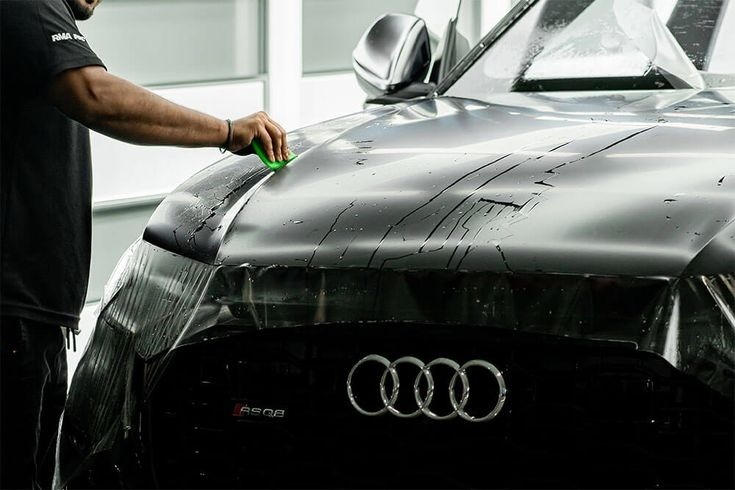
- The Reality: While ceramic coating delivers exceptional hydrophobicity and high gloss, it offers zero protection against flying stone chips, road debris, or deep scratches.
- The Verdict: Skip the overpriced dealership ceramic bundles. Instead, route that budget toward an independent, certified detailing studio for a high-quality Paint Protection Film (PPF) on high-impact zones like the front bumper, hood, and fenders.
Low-Value VAS: The Defer or Skip List
- Cosmetic Accessory Bundles: Items like branded chrome accents, basic floor mats, aftermarket ambient lighting kits, and seat covers carry massive dealer markups. You can source identical, OEM-certified variants post-delivery at a much lower cost.
- Un-Itemized Package Deals: Avoid any protective care or lifestyle bundles where individual line-item costs, product brands, or specific warranty terms are left vague on the final invoice.
Cost vs. Benefit Architecture
| VAS Type | Estimated Cost Impact | Long-Term Utility | Financial Recommendation |
| Extended Warranty | 2% – 4% of car value | Exceptional | Strongly recommended for long-term ownership. |
| OEM Service Packages | 3% – 6% of car value | High | Recommended if annual mileage exceeds 10,000 km. |
| OEM-Backed RSA | < 1% of car value | High | Essential for complex premium drivetrains. |
| GAP Insurance | 1% – 2% of car value | Situational | Critical for highly leveraged, high-ticket loans. |
| Dealer Ceramic Coating | 1% – 3% of car value | Low to Moderate | Skip; opt for a professional independent PPF instead. |
| Aesthetic Accessory Packs | 1% – 5% of car value | Negligible | Skip at delivery; customize selectively later. |
Smart Buying Strategy: How to Refuse Deftly
To keep your total cost of ownership optimized, follow this structural evaluation checklist before clearing any showroom add-ons:
- Demand Itemization: Require the dealership to unbundle all packages so you can evaluate the standalone cost of every service.
- Check for Overlap: Ensure you aren’t paying for an add-on (like standalone towing) that is already integrated into your primary insurance policy or manufacturer warranty.
- Confirm Transferability: Verify that the service contract transfers seamlessly to a secondary buyer to secure a residual value advantage down the line.
Conclusion
Value-Added Services are excellent tools for lifestyle convenience and financial risk management, provided they are chosen analytically rather than emotionally. Prioritize functional, OEM-backed plans that lock in maintenance costs and shield you from mechanical liabilities, while stepping away from high-margin cosmetic enhancements at the delivery bay.
For expert asset management templates, direct luxury car market comparisons, and strategic ownership guides tailored for Indian buyers, follow Motozite for definitive automotive insights.