
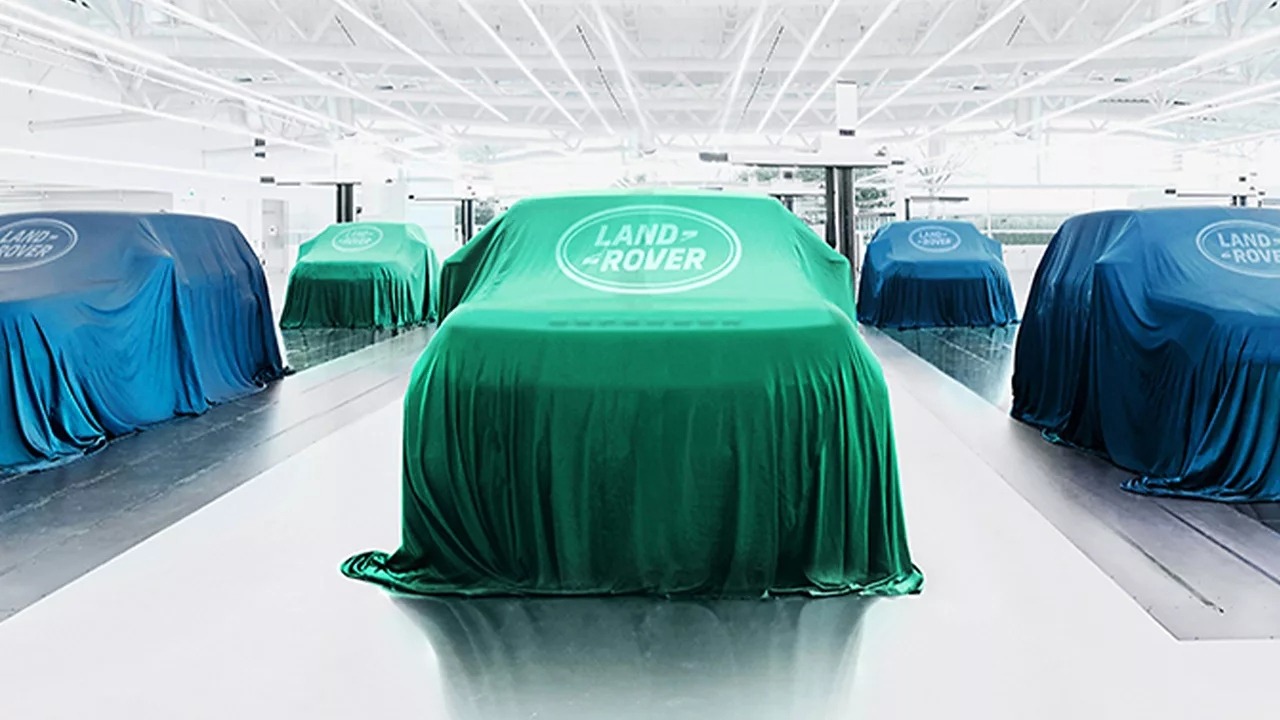
Jaguar Land Rover (JLR) is embarking on an aggressive cost-restructuring program over the next two fiscal years, targeting £1.7 billion in cumulative savings. Announced alongside its financial results for the fiscal year ending March 31, 2026, this massive fiscal intervention represents a critical breakeven reset. The luxury carmaker is moving rapidly to stabilize its balance sheet, lower its operational risk thresholds, and protect its long-term product pipeline after navigating a highly volatile operational period.
Understanding the Breakeven Reset: The Policy and Numbers
The central objective of this cost-reduction strategy is to bring JLR’s annual cash breakeven volume back down to 300,000 units. In the wake of intense macroeconomic headwinds, the brand’s operational cost threshold had risen, creating significant financial vulnerability when volumes fluctuated.
- The FY26 Context: JLR closed the fiscal year with 307,900 wholesale units globally. While a strong fourth quarter recovery yielded £6.87 billion in revenue and a 9.2% EBIT margin, the full-year results highlighted severe structural pressures. Full-year revenue fell 21% to £22.9 billion, and the full-year EBIT margin squeezed down to 0.7%.
- The Cash Deficit: Heavy capital expenditure combined with localized disruptions caused JLR to record an annual net loss of £244 million and a full-year free cash flow deficit of just over £2.2 billion. By lowering the breakeven threshold to 300,000 units, the company aims to insulate itself against market volatility, ensuring it can remain profitable even during lower-demand cycles.
The Catalyst: What Triggered JLR’s Aggressive Financial Pivot?
JLR’s decision to shift from a high-volume growth strategy to strict structural cost efficiency is a direct response to a complex mix of internal and external challenges encountered over the past year.
- Escalating Warranty and Quality Costs: A primary internal driver for the budget correction is a sharp rise in warranty expenses. Addressing legacy vehicle reliability issues has cost the luxury manufacturer serious capital, making quality control a core financial priority.
- Cyber Disruption and System Weaknesses: The brand faced significant operational setbacks following a severe cyberattack that halted vehicle production for five weeks. The outage cost JLR over £1 billion in delayed revenue and exposed critical vulnerabilities in its digital infrastructure.
- Global Trade Tariffs and Market Volatility: Rising import tariffs, particularly in the United States, have added substantial friction to JLR’s global shipping logistics. Concurrently, luxury vehicle demand weakened across core international markets, including China, Europe, and the UK.
- Geopolitical Friction: Ongoing conflicts in West Asia have directly disrupted supply chains and impacted retail operations in a region that typically accounts for 6% of JLR’s global revenue.
The Turnaround Blueprint: Executing the Enterprise Missions
To capture the £1.7 billion in savings over the next 24 months, JLR management is deploying a highly structured turnaround framework driven by cross-functional Enterprise Missions. This cost-reset initiative focuses on four key operational pillars:
- Procurement Cost-Outs: Renegotiating global supplier contracts and streamlining the raw material supply chain to eliminate manufacturing redundancies.
- Warranty Reduction: Enforcing stricter factory floor quality standards and engineering fixes to permanently lower post-sale dealership warranty claims.
- Digital and IT Productivity: Modernizing legacy IT architecture to boost digital operational efficiency and significantly fortify cybersecurity defenses against future ransomware threats.
- Flawless Launch Discipline: Prioritizing perfect operational execution for all upcoming model rollouts over the next 18 months, preventing expensive manufacturing delays.
Balancing Cost Cuts with the £18 Billion Electrification Road Map
A critical aspect of JLR’s strategy is that this £1.7 billion cost-out mission is not a blanket reduction in future technology spending. Instead, the savings are being used to protect and fund the brand’s long-term electrification goals. JLR remains committed to its massive £18 billion five-year capital investment program.
In the last fiscal year alone, the company directed £3.6 billion toward developing next-generation vehicle platforms and pure electric vehicle (EV) powertrains. Tightening operational expenditures in procurement and administration allows JLR to sustain this heavy research and development cadence, ensuring the upcoming electrified portfolio under its House of Brands-Range Rover, Defender, Discovery, and Jaguar-arrives on schedule.
The Broader Luxury Automotive Outlook
JLR is far from alone in facing these financial headwinds. The broader premium car segment is experiencing a widespread margin squeeze. German luxury rivals, including Mercedes-Benz, BMW, and Audi, all reported double-digit declines in net profits during the early part of the year, driven by intense competition in Asia and shifting global trade dynamics. JLR’s proactive approach to lowering its breakeven point reflects a broader industry realization: in the modern luxury landscape, structural agility and margin protection are far more valuable than pursuing sheer volume.
Conclusion: A Decisive Realignment for Long-Term Viability
JLR’s £1.7 billion cost-reset program is a decisive, forward-looking realignment designed to secure the brand’s fiscal health. By aggressively lowering its cash breakeven point to 300,000 units and addressing systemic vulnerabilities in warranty and digital infrastructure, the automaker is building a highly resilient business model. If executed successfully, this financial discipline will provide the stable foundation JLR requires to transition seamlessly into a high-margin, fully electrified luxury powerhouse.
As premium manufacturers navigate this era of intense economic and technological transformation, keeping pace with fiscal strategies, market shifts, and corporate restructurings is essential.
Follow Motozite for the latest automotive insights, detailed corporate updates, and expert analysis on the global trends driving the luxury car industry.