
Introduction
Luxury cars in India are no longer limited to status symbols. Today’s buyers are far more informed and are looking beyond just badge value. While some luxury cars are designed to impress with styling, performance, and exclusivity, others focus on comfort, reliability, usability, and long-term ownership experience. This is where the distinction between aspirational luxury and practical luxury becomes important.
For Indian buyers, especially in metro cities and growing luxury car markets, the decision often comes down to lifestyle. Do you want a car that makes a statement every time it arrives, or one that quietly delivers comfort and convenience every single day?
Understanding this difference can help buyers make smarter ownership decisions, particularly in a market where road conditions, traffic, maintenance costs, and chauffeur-driven usage heavily influence buying patterns.
What Defines Aspirational Luxury?
Aspirational luxury cars are primarily emotion-driven purchases. Buyers are attracted to their design, performance, exclusivity, and brand image. These are vehicles that often turn heads instantly and carry strong aspirational value in the Indian market.
Cars from brands like BMW, Mercedes-Benz, and Land Rover often fall into this category depending on the model and configuration. These cars are built to create excitement, whether through sporty styling, powerful engines, or premium interiors loaded with technology.
Key Traits of Aspirational Luxury Cars
Strong Road Presence
Vehicles with aggressive styling, large grilles, coupe-inspired designs, or sporty proportions naturally attract attention. In India, road presence still plays a major role in luxury car buying decisions.
Performance-Oriented Driving Experience
Many aspirational luxury cars focus heavily on acceleration, handling, and driving dynamics. Buyers who enjoy driving themselves often lean toward this category.
Brand Prestige
For many first-time luxury car buyers, the emotional satisfaction of owning a globally recognised premium brand is a major factor.
Premium Features and Technology
Large infotainment displays, ambient lighting, advanced driver assistance systems, and high-end cabin materials add to the aspirational appeal.
However, aspirational luxury sometimes comes with compromises. Firmer suspension setups, low ground clearance, expensive maintenance, or less rear-seat comfort may not suit every Indian buyer.
What Defines Practical Luxury?
Practical luxury focuses on everyday usability without sacrificing premium comfort. These cars may not always be the flashiest in the segment, but they excel in real-world ownership.
In India, practical luxury has gained popularity among experienced buyers who prioritise comfort, reliability, space, and long-term value over pure image.
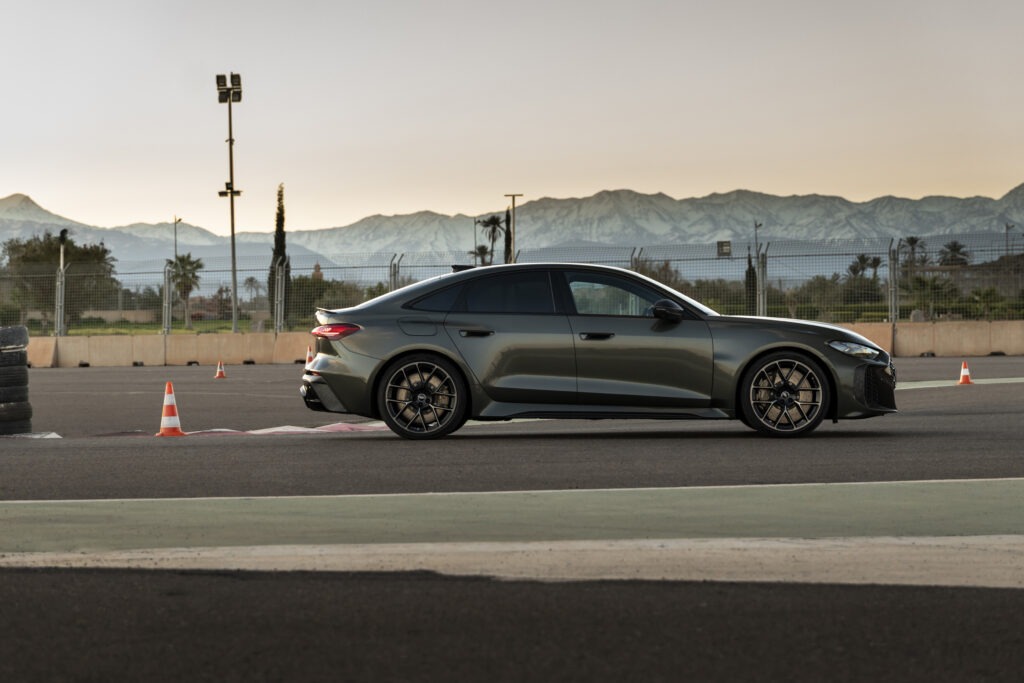
Brands like Lexus, Audi, and selected models from Mercedes-Benz are often preferred by buyers looking for a balanced ownership experience.
Key Traits of Practical Luxury Cars
Comfortable Ride Quality
Indian roads demand suspension setups that can handle potholes, uneven surfaces, and long-distance travel comfortably. Practical luxury cars are generally tuned with comfort in mind.
Better Rear Seat Experience
Many Indian luxury car owners prefer chauffeur-driven usage. Rear-seat comfort, legroom, ventilation, and ease of ingress become major priorities.
Lower Ownership Stress
Reliable engineering, lower maintenance frequency, and better fuel efficiency contribute significantly to ownership satisfaction.
Daily Usability
Practical luxury vehicles are easier to drive in traffic, simpler to maintain, and more adaptable to urban conditions.
Aspirational Luxury vs Practical Luxury: Real-World Indian Perspective
The Enthusiast Buyer
A buyer choosing a sporty BMW sedan may prioritise handling, acceleration, and driving feel. These buyers often enjoy weekend drives and want a more engaging ownership experience.
However, such cars may not always offer the softest ride quality on rough Indian roads. Low-profile tyres and stiff suspension setups can feel less forgiving in city conditions.
The Chauffeur-Driven Buyer
A buyer considering a premium Mercedes-Benz sedan may prioritise rear-seat comfort, cabin insulation, and ride quality instead of outright performance.
For Indian executives and business owners, this practical approach often makes more sense because the car becomes part of a daily routine rather than just an emotional purchase.
The Long-Term Ownership Buyer
Brands like Lexus attract buyers who want refinement with minimal ownership complications. Quiet cabins, hybrid efficiency, and strong reliability make practical luxury more appealing over time.
These buyers may not prioritise aggressive styling or sporty dynamics, but they value peace of mind and consistent comfort.
The Lifestyle-Oriented Buyer
SUV buyers looking at Land Rover models often choose them for their commanding road presence and premium appeal. While highly aspirational, some variants are also surprisingly practical due to their spacious interiors and strong road capability.
This highlights an important point — some luxury cars successfully combine both aspirational and practical qualities.
Why Indian Buyers Are Becoming More Practical
The Indian luxury car market has matured significantly over the past few years. Earlier, badge value alone dominated buying decisions. Today, buyers research ownership costs, resale value, service quality, and long-term reliability before making a purchase.
Several factors are influencing this shift:
- Increasing traffic congestion in major cities
- Rising fuel prices
- Demand for better rear-seat comfort
- Interest in hybrid and efficient luxury vehicles
- Higher awareness of maintenance expenses
- Growing focus on resale and depreciation
This does not mean aspirational luxury is losing relevance. Instead, buyers now expect luxury cars to deliver both emotional appeal and everyday functionality.
Buying Tips Before Choosing a Luxury Car
Understand Your Usage Pattern
If you drive mostly within the city and spend hours in traffic, comfort and practicality should take priority over aggressive performance.
Consider Ground Clearance
Indian speed breakers and road conditions can become frustrating with extremely low luxury sedans.
Think Beyond the Badge
A well-balanced luxury car often delivers greater ownership satisfaction than a car chosen purely for image.
Evaluate Service and Maintenance
Luxury car ownership in India is becoming easier, but maintenance quality and service support still vary across brands and cities.
Test Rear Seat Comfort
If the car will mostly be chauffeur-driven, rear-seat comfort matters far more than 0-100 km/h timings.
Final Verdict
The difference between aspirational luxury and practical luxury ultimately comes down to priorities. Aspirational luxury cars appeal to emotion, image, and excitement, while practical luxury cars focus on comfort, usability, and long-term ownership satisfaction.
For Indian buyers, the ideal luxury car often lies somewhere in the middle — premium enough to feel special, yet practical enough to handle daily life comfortably. Whether you prefer the sporty character of a BMW, the refined comfort of a Mercedes-Benz, or the balanced ownership experience of a Lexus, choosing the right luxury car requires understanding how you truly plan to use it.
As the luxury car market evolves, buyers exploring premium ownership trends and vehicle comparisons on Motozite are increasingly leaning toward cars that combine aspiration with real-world practicality.