
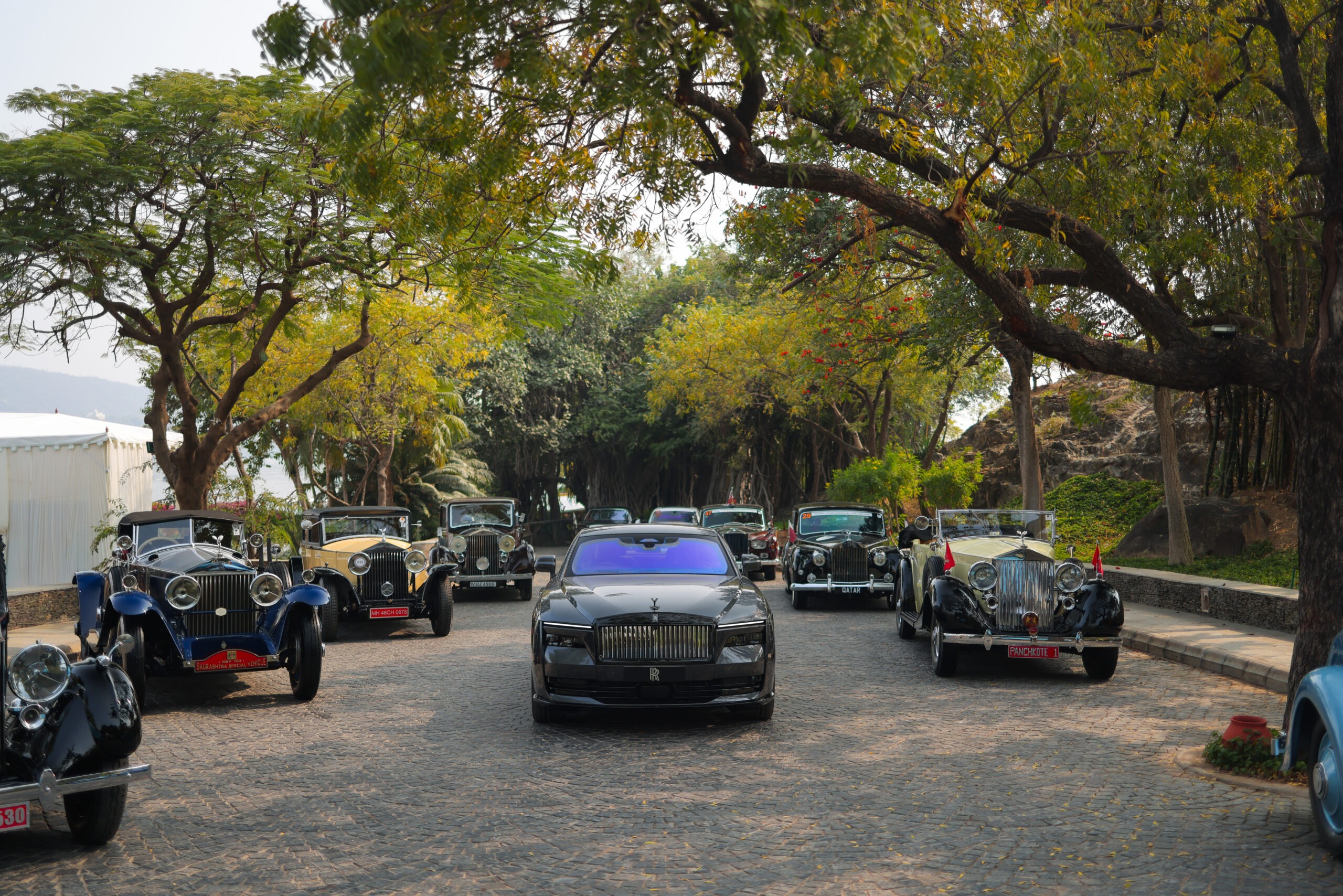
Most luxury cars begin depreciating the moment they leave the showroom. However, Rolls-Royce behaves differently. While the broader luxury market often treats vehicles as rapidly aging consumer goods, the resale performance of a Rolls-Royce reflects a different economic category altogether, one rooted in scarcity, craftsmanship, and cultural permanence.
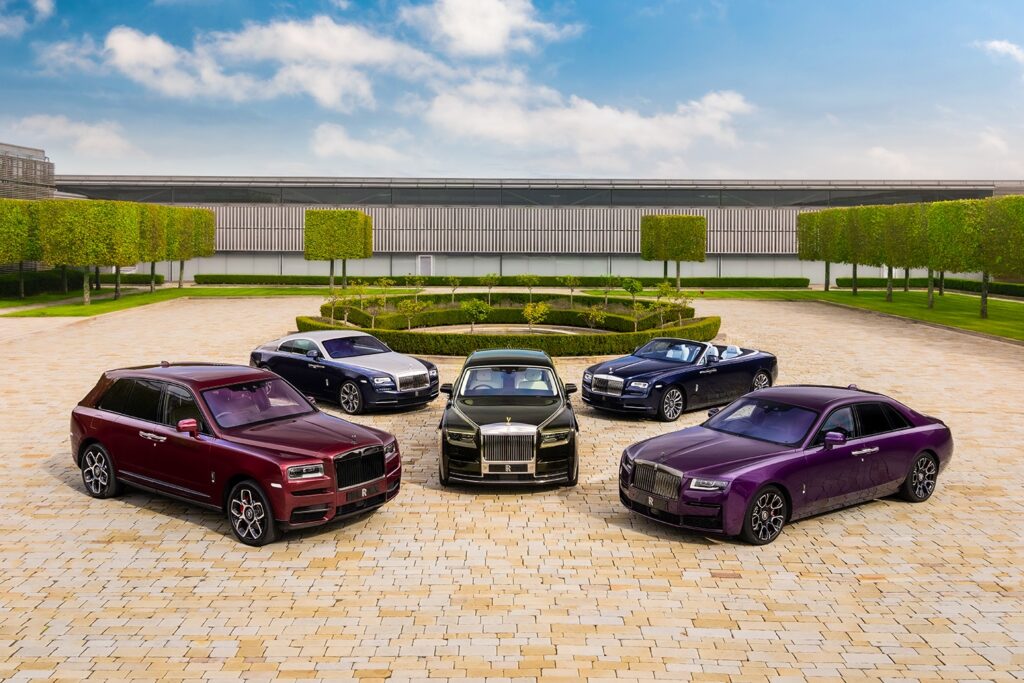
Ultra-luxury ownership is not purely transactional. It is emotional, symbolic, and often generational. In this space, depreciation does not follow the same curves as mass-produced premium vehicles. Rolls-Royce does not merely manufacture cars; it produces rolling works of art engineered for longevity, prestige, and legacy. The myth that all luxury cars depreciate equally collapses when examined through the lens of ultra-luxury economics. Rolls-Royce, uniquely, operates as both an object of indulgence and a durable store of brand equity.
The Economics of Ultra-Luxury Depreciation
To understand Rolls-Royce resale value, one must first understand why most luxury vehicles lose value so quickly.
1. Production Scale and Scarcity
Mass-luxury brands operate at significant production volumes. Higher supply creates greater secondary market availability, driving prices downward. In contrast, Rolls-Royce annual production remains intentionally restrained, typically limited to a few thousand units globally. This engineered scarcity stabilizes value.
2. Platform Integrity and Exclusivity
Many luxury vehicles share platforms or technology with lower-tier models within a parent company. Rolls-Royce uses a dedicated Architecture of Luxury, an all-aluminium spaceframe chassis that ensures its models remain unique and do not share DNA with mass-market vehicles.
3. Intentional Model Cycles
Frequent redesigns make previous versions feel outdated, accelerating depreciation. Rolls-Royce avoids aggressive mid-cycle redesigns. A Phantom or a Ghost does not suddenly look obsolete after three years, preserving the aesthetic relevance of older models.
Rolls-Royce: Built Differently From Day One
The foundation of Rolls-Royce resale strength begins at the Goodwood factory. Craftsmanship is not a marketing slogan; it is embedded in the production philosophy.
4. Bespoke Craftsmanship
Clients commission vehicles rather than simply purchase them. Paint formulas, interior materials, veneers, and custom features are uniquely specified. Because no two examples are identical, the secondary market often views specific builds as unique collector items rather than interchangeable used cars.
5. Heritage Engineering and Longevity
Engineering decisions prioritize refinement and durability over trend-driven performance metrics. It is estimated that over 65 percent of all Rolls-Royce cars ever built are still on the road today. This reputation for longevity reinforces the idea of the car as a long-term asset.
Ownership Profile: Why Buyers Do Not Flip Rolls-Royces
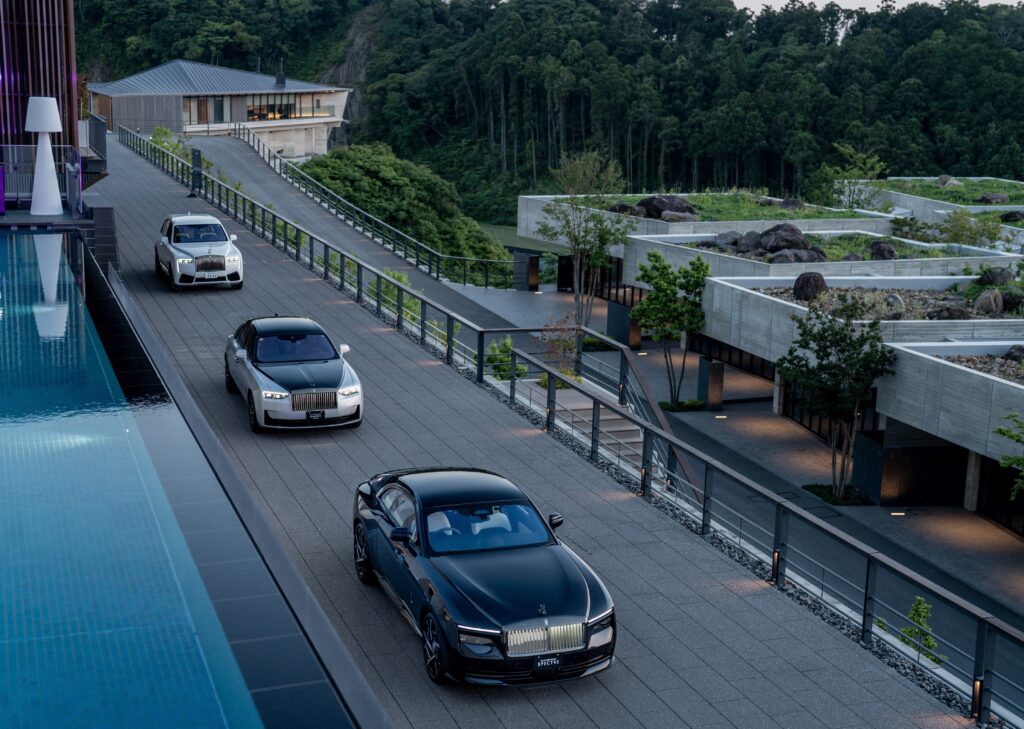
A structural advantage behind Rolls-Royce resale performance is ownership behavior. Owners typically hold their vehicles longer, view them as legacy pieces, and maintain them meticulously. This heirloom mentality restricts the supply of used vehicles. Fewer examples circulate publicly, and those that do are often in exceptional condition.
Rolls-Royce vs Other Luxury Brands
Several respected brands occupy adjacent segments, but their economic profiles differ significantly.
| Brand | Production Scale | Customization Level | Depreciation Trend |
| Rolls-Royce | Extremely Limited | Highly Bespoke | Gradual and Stable |
| Mercedes-Maybach | Higher Volume | Moderate | Faster Initial Drop |
| Bentley | Limited but Higher | High | Moderate Depreciation |
| Range Rover | High Production | Limited Bespoke | Steeper Decline |
Models That Historically Hold Value Best
While all models benefit from brand strength, certain vehicles demonstrate particular resilience in the collector market.
1. The Phantom
As the flagship, the Phantom is a symbol of ultimate authority. Its long design cycles and ceremonial associations ensure it remains the most desirable model for traditional collectors.
2. The Cullinan
The marque’s first SUV brought Rolls-Royce into a dominant market segment. Despite high demand, it has maintained strong residual values, often retaining over 75 percent of its value after three years of ownership.
3. The Ghost
The Ghost appeals to a broader global audience. While it has a slightly higher production volume than the Phantom, its refined V12 and timeless design keep it in high demand on the pre-owned market.
Is a Rolls-Royce a Financial Investment?
The question of investment value requires nuance. While the emotional investment and brand prestige are undeniably strong, a vehicle should not be approached like a stock certificate. It is better understood as a lifestyle asset, one that preserves value more effectively than nearly any other luxury peer, but whose primary return lies in the experience of ownership.
FAQ: Rolls-Royce Resale Explained
1. Do Rolls-Royce cars depreciate?
Yes, all vehicles depreciate to some degree. However, Rolls-Royce depreciation is significantly more gradual. On average, a top-tier model may retain 60 to 70 percent of its value after three years, whereas standard luxury cars may drop to 40 or 50 percent.
2. Why is the resale value so strong?
The combination of low production numbers, a dedicated client base that keeps cars for long periods, and the high cost of bespoke options creates a market where demand consistently exceeds supply.
3. How long do Rolls-Royce cars last?
With proper maintenance, they are engineered to last for decades. The brand provides extensive support for older models, ensuring they remain roadworthy and desirable for subsequent owners.
Final Verdict: The Architecture of Enduring Value
The strength of Rolls-Royce resale is the outcome of deliberate scarcity, uncompromising craftsmanship, and over a century of cultivated mythology. Where many luxury vehicles are designed for short cycles, a Rolls-Royce is designed for eras. Owning one is not merely purchasing transportation; it is participating in a lineage of engineering excellence. It is an asset measured not only in retained financial value, but in timeless presence and social history.
To stay ahead of the latest trends in the ultra-luxury market and gain more expert analysis on high-end automotive investments, follow Motozite. We provide the insights you need to navigate the world of premium vehicles with confidence.