
India’s automotive landscape in 2026 has reached a pivotal junction. While full electrification is the long-term goal for the nation, Plug-in Hybrid Electric Vehicles (PHEVs) have solidified their position as the ultimate “no-compromise” solution for the premium buyer. This technology serves as a critical bridge, offering a sophisticated middle ground between conventional internal combustion engines (ICE) and battery electric vehicles (BEVs).
By combining a high-voltage electric motor for silent, emission-free city commutes with a high-performance petrol engine for long-range interstate travel, PHEVs effectively eliminate the range anxiety that still lingers around pure EVs in certain regions of India.
Understanding the Technology: How PHEVs Differ in 2026
Unlike “Strong Hybrids” (HEVs) seen in mass-market cars, which charge their small batteries only through engine power and braking, a Plug-in Hybrid features a significantly larger battery pack. This battery can be charged via an external power source, such as a home wall-box or a public charger.
In 2026, most luxury PHEVs in India offer a dedicated “EV Only” mode, allowing owners to cover their daily office commutes entirely on electricity, while the petrol engine remains dormant until called upon for higher speeds or longer distances.
Best Plug-in Hybrid Cars in India (2026)
The Indian market in 2026 is dominated by luxury powerhouses that use hybridization not just for fuel efficiency, but for extreme performance gains. Below are the top-tier models currently leading the segment.
1. BMW M5 (2026 Version)
The legendary M5 has fully embraced its hybrid identity. Launched with a massive 727 hp 4.4-litre twin-turbo V8, it offers a real-world electric range of nearly 67 km. This makes it a perfect dual-purpose vehicle: a silent, refined commuter by day and a track-ready monster by the weekend.
- Key Stats: 1,000 Nm Torque, 0–100 km/h in 3.5 seconds.
- Price: Approximately Rs 2.05 Crore (Ex-showroom).
2. Lamborghini Urus SE
The Urus SE is currently one of the most successful super-SUVs in the Indian market. The PHEV system provides a 60 km electric range, allowing owners to glide through city traffic with zero tailpipe emissions. When the V8 kicks in, it delivers a combined 800 hp, ensuring it remains the benchmark for performance SUVs on Indian roads.
- USP: The most practical “supercar” for Indian ground clearance requirements.
- Price: Approximately Rs 4.47 Crore (Ex-showroom).
3. Mercedes-AMG S 63 E Performance
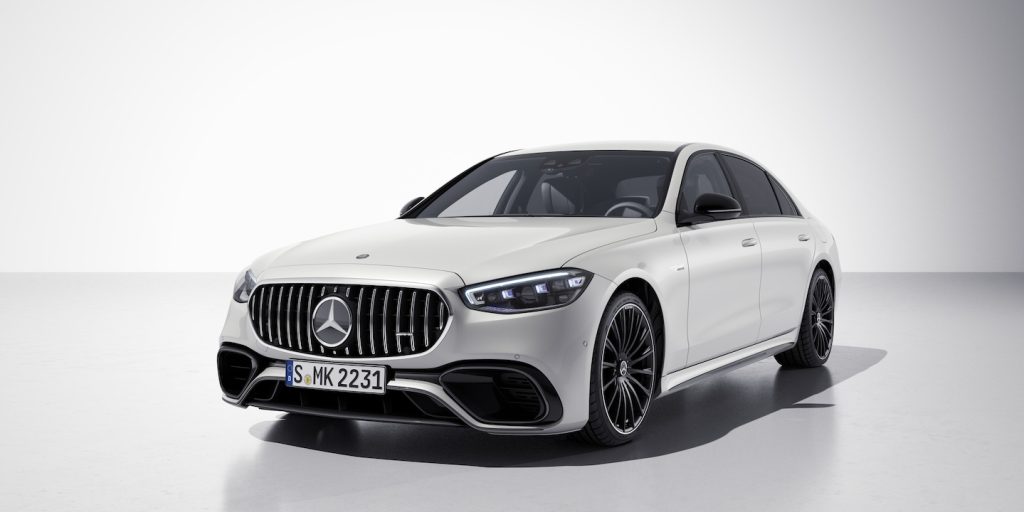
This vehicle represents the pinnacle of electrified luxury. Utilizing Formula 1-derived technology, the S 63 E Performance features a rear-axle electric motor that provides immediate torque. While its pure electric range is lower than the BMWs at 33 km, the system is optimized for “Always On” power delivery, making it the most powerful S-Class ever produced.
- Performance: 0–100 km/h in just 3.3 seconds despite its immense weight.
- Price: Approximately Rs 3.34 Crore (Ex-showroom).
4. BMW XM
The BMW XM remains a statement piece for 2026. As the first standalone M-model since the M1, it uses a plug-in hybrid system to deliver an astonishing 88 km of electric range. Its aggressive design and futuristic interior make it a favorite among India’s elite who want to stand out while staying eco-conscious.
- Price: Approximately Rs 2.60 Crore (Ex-showroom).
Upcoming Trends and New Entrants
The 2026 market is also seeing the entry of more specialized and slightly more accessible luxury PHEVs:
- MG Motor India PHEV SUV: Scheduled for a late 2026 rollout, this SUV aims to bring plug-in technology to a broader premium audience. It is rumored to offer a staggering 25 kmpl combined efficiency and a significant footprint to rival the premium SUV segment.
- Zeekr 9X: The Geely-owned luxury brand is making significant waves in India with its high-tech PHEV SUV, targeting the Volvo and Audi customer base with its long-range hybrid powertrain.
- Volvo XC70 PHEV: Indian enthusiasts are eagerly awaiting the official arrival of this flagship crossover, which promises over 1,200 km of total range when combining both fuel and electric power.
Key Advantages of the PHEV Model
- No Range Anxiety: Unlike a pure EV, you are never stranded. If the battery dies, the petrol engine takes over instantly.
- Zero-Emission Commuting: For those with a daily commute under 50 km, fuel station visits can become a monthly rarity.
- Better Resale Value: In 2026, as emission norms tighten in Indian metros, hybrids are holding their value better than pure petrol luxury cars.
- Performance Boost: The electric motor provides “instant torque,” making these cars feel much faster than their traditional counterparts.
Important Considerations for Indian Buyers
While the technology is impressive, there are a few hurdles to consider before signing the check. Currently, PHEVs in India attract a higher GST rate (up to 43%) compared to the 5% enjoyed by pure electric vehicles. This tax disparity is why most PHEVs are currently positioned in the luxury bracket. Additionally, to maximize the benefits of a PHEV, owners must have access to a dedicated charging point at their home or office.
Final Verdict: Is a Plug-in Hybrid Right for You?
If you live in a Tier 1 city like Delhi, Mumbai, or Bengaluru but frequently travel to regions where high-speed charging infrastructure is still being developed, a PHEV is the most sensible financial and practical investment you can make in 2026. It offers the luxury of an EV without the logistical handcuffs of one.
As the Indian automotive market continues to shift toward sustainable mobility, staying informed on the latest hybrid technologies is essential for any savvy buyer. Whether you are eyeing a high-performance AMG or a versatile luxury SUV, these plug-in models represent the very best of what modern engineering has to offer.
For more expert analysis, in-depth luxury car comparisons, and the latest updates on upcoming launches in India, follow Motozite to ensure you are always ahead of the curve in the world of premium automotive excellence.