
Introduction
India’s transition toward electric mobility is gaining momentum, especially in the luxury car segment. Premium automakers like Mercedes-Benz, BMW, Audi, and Jaguar Land Rover have introduced sophisticated EVs that combine performance, comfort, and sustainability.
Yet, for many buyers, a crucial concern remains—are luxury EVs practical for long-distance travel in India?
While these vehicles offer impressive specifications, real-world usability depends heavily on infrastructure, driving conditions, and ownership patterns unique to India.
Key Factors That Define Long-Distance EV Practicality
Driving Range in Real Conditions
Luxury EVs today offer claimed ranges between 400 km and 800 km. However, Indian conditions—traffic congestion, varying speeds, and climate—can reduce real-world range by 15–20%. Highway cruising improves efficiency, but factors like elevation and aggressive driving can still impact performance.
Charging Infrastructure
India’s EV charging network is expanding but remains uneven. Major highways and metro regions are relatively well-covered, but smaller towns and remote areas still lack reliable charging options. This makes route planning essential for long-distance journeys.
Charging Time
Even with fast chargers, most luxury EVs require 30–60 minutes to charge up to 80%. While this is longer than refueling a petrol or diesel car, it can be manageable for buyers who prefer relaxed travel schedules or chauffeur-driven usage.
Comfort and Cabin Experience
One area where luxury EVs excel is comfort. Silent operation, smooth acceleration, and advanced suspension systems make them ideal for long journeys. Rear-seat comfort, in particular, is a strong advantage for Indian buyers who often prefer chauffeur-driven travel.
Luxury EVs in India: Real-World Usability
Mercedes-Benz EQS
The Mercedes-Benz EQS is arguably the most practical luxury EV for long-distance travel in India. With an industry-leading range and exceptional aerodynamic efficiency, it significantly reduces range anxiety.
Its ultra-luxurious cabin, especially in the rear seat, makes it perfect for business-class travel between cities. For buyers prioritizing comfort and range, it sets the benchmark.
BMW i7
The BMW i7 brings flagship luxury into the EV space. It offers a strong balance between range and comfort, making it suitable for intercity travel.
What stands out is its rear-seat experience, including advanced entertainment features, making it ideal for chauffeur-driven owners who spend long hours on the road.
BMW iX
The BMW iX is one of the most versatile luxury EVs available in India. As an SUV, it offers better ground clearance and road presence—both important for Indian conditions.
Its range is practical for long drives, and its spacious cabin makes it a strong choice for families or frequent travelers.
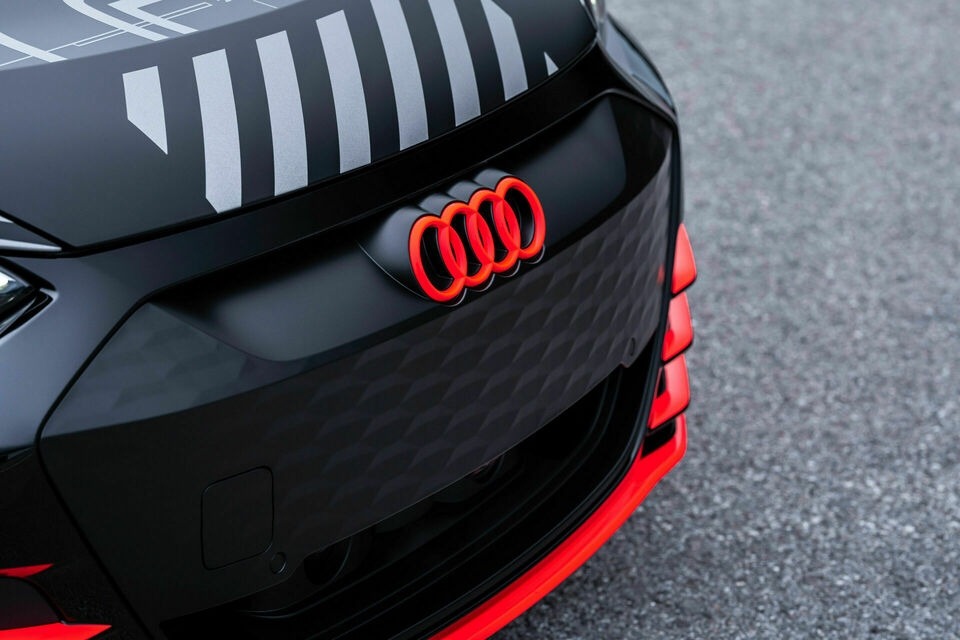
Audi e-tron GT
The Audi e-tron GT is designed for performance enthusiasts. While it can handle long-distance drives, its focus is more on driving pleasure than outright range.
It is best suited for well-planned highway journeys between major cities, where charging infrastructure is more reliable.
Audi Q8 e-tron
The Audi Q8 e-tron is a practical luxury EV for Indian conditions, offering improved range and better efficiency. Its SUV design ensures higher ground clearance, making it more suitable for varied road conditions.
With a spacious and refined cabin, it works well for both long-distance travel and everyday usability.
Practical Challenges in India
Limited Charging Beyond Key Routes
While highways connecting major cities are improving in terms of charging infrastructure, routes beyond these corridors can still be challenging. Inconsistent charger availability and downtime can disrupt travel plans.
Road Conditions
India’s diverse road conditions—from smooth expressways to uneven rural roads—can impact the usability of low-slung EV sedans. SUVs like the BMW iX offer an advantage here due to better ground clearance.
Planning vs Spontaneity
Unlike traditional cars, EVs require planned travel. Buyers must map charging stops in advance, which may not suit those who prefer spontaneous road trips.
Usage Pattern Differences
For chauffeur-driven owners, charging breaks can be seamlessly integrated into travel schedules. However, self-driving users may find frequent stops less convenient, especially on tight timelines.
Buying Tips for Long-Distance EV Owners
Match the Car to Your Travel Needs
If your travel is mostly between major cities, long-range sedans like the Mercedes-Benz EQS or BMW i7 are excellent choices. For mixed terrain, SUVs like the BMW iX offer better practicality.
Prioritize Range and Efficiency
Higher range provides more flexibility and reduces dependency on charging infrastructure. It is a key factor for stress-free long-distance travel.
Check Charging Access
Evaluate the availability of fast chargers along your regular routes. Many luxury brands also provide integrated charging solutions that improve convenience.
Invest in Home Charging
A reliable home charging setup ensures your EV is always ready for the next journey, minimizing reliance on public chargers.
Final Verdict
Luxury EVs are becoming increasingly practical for long-distance travel in India, especially for buyers who primarily drive between well-connected cities. Models like the Mercedes-Benz EQS, BMW i7, and BMW iX offer a refined, comfortable, and technologically advanced travel experience.
However, challenges such as uneven charging infrastructure and the need for route planning still limit their convenience compared to traditional luxury cars. For buyers willing to adapt to a more planned approach to travel, luxury EVs can be both rewarding and future-ready.
As infrastructure continues to grow, their practicality will only improve. For those considering a premium electric vehicle, Motozite serves as a valuable platform to explore and compare the best luxury EV options available in India today.