
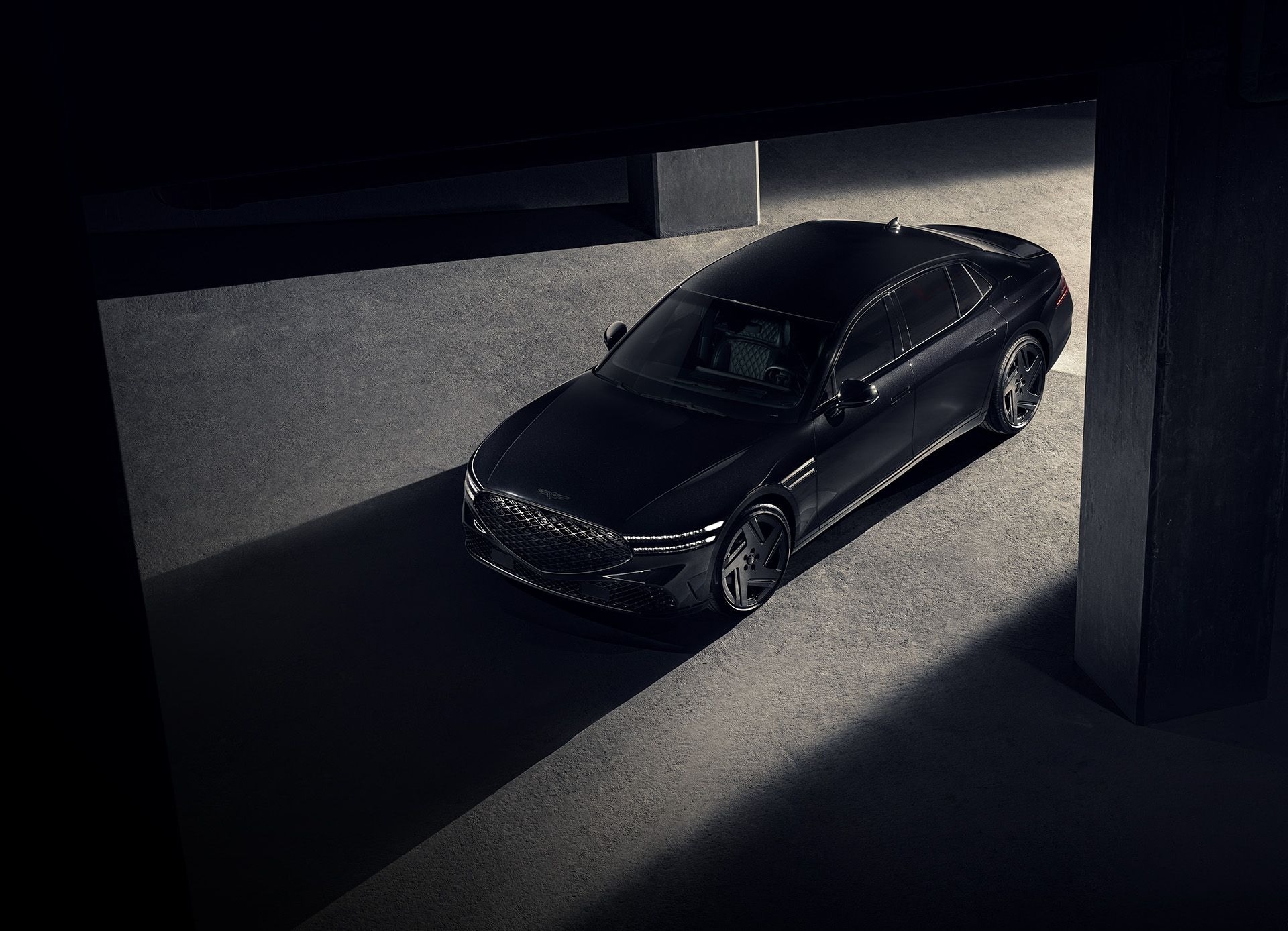
The automotive industry is entering one of its most transformative periods in decades. From fully electric luxury flagships to autonomous ride-hailing fleets and radical high-performance EVs, the next wave of vehicles is less about incremental upgrades and more about completely redefining mobility itself.
Based on recent industry previews and future product roadmaps, the landscape between 2026 and 2030 will be shaped by three major forces: deep electrification, urban autonomy, and software-defined engineering.
But for premium buyers and enthusiasts, the key question remains: are these future vehicles truly worth waiting for, or are we looking at hype cycles stretched across prolonged development timelines?
The Big Shift: Why the Next 5 Years Matter
Unlike previous automotive development cycles, the upcoming generation of vehicles is being forged by overlapping technological revolutions that change how cars are engineered, driven, and owned.
- Electrification is the New Default: Even legacy luxury cars and high-performance brands are moving aggressively toward electrified platforms. However, rather than rushing into a pure EV-only future, manufacturers are balancing portfolios with advanced plug-in hybrids (PHEVs) and efficient combustion systems to match infrastructure realities.
- Autonomy Leaving the Lab: Self-driving ecosystems are scaling up. Autonomous ride-hailing networks are transitioning from localized pilot projects to commercial city deployments globally.
- Software-Defined Vehicles (SDVs): Modern cars are officially evolving into “computers on wheels.” A vehicle’s performance characteristics, safety protocols, and cabin experiences will be continuously upgraded via over-the-air (OTA) updates, extending the vehicle’s optimal ownership lifecycle.
Also Read: Top 5 Luxury Cars Expected to Launch in India
Most Anticipated Future Cars to Watch (2026–2030)
To help track what is coming down the pipeline, here is a breakdown of the most anticipated global models slated for debut or rollout over the next five years.
Future Models at a Glance
| Model | Segment / Body Style | Core Highlight | Target Timeline |
| Alfa Romeo Stelvio EV | High-Performance Luxury SUV | Up to 1,000 hp variant, STLA Large platform | 2027–2028 |
| Genesis GV90 | Ultra-Luxury Flagship EV SUV | Coach doors, advanced eM architecture | Late 2026–2027 |
| Polestar 6 | Electric Performance Roadster | 884 hp, bonded aluminum chassis | 2026–2027 |
| Mazda CX-5 Hybrid | Mass-Market Practical SUV | In-house hybrid powertrain, high efficiency | 2026–2027 |
| Rolls-Royce Spectre Series II | Ultra-Luxury Electric Super-Coupé | 18% range boost, up to 1,100 Nm torque | 2026–2030 |
1. Alfa Romeo Stelvio EV (Next-Generation SUV)
One of the most radical upcoming mechanical overhauls belongs to the next-generation Stelvio. Riding on the versatile STLA Large platform, the rewritten SUV will balance both electric and hybridized powertrains. Top-tier Quadrifoglio variants are projected to push close to 1,000 horsepower, utilizing an advanced multi-motor setup and an 800-volt electrical architecture.
- Why it matters: It signals Alfa Romeo’s calculated transition into the ultra-high-performance electric SUV space without sacrificing its signature Italian driving dynamics.
2. Genesis GV90 (Luxury Electric Flagship SUV)
Genesis is preparing a full-sized, three-row electric flagship heavily inspired by the stunning Neolun concept. Built on Hyundai Motor Group’s next-generation eM platform, the GV90 will emphasize an opulent cabin experience, featuring optional pillarless coach doors (suicide doors), swivel seats, and a sophisticated software architecture.
- Why it matters: It represents the rise of Korean luxury engineering entering an elite ultra-premium tier traditionally dominated by heritage European marques.
3. Polestar 6 (Electric Performance Convertible)
The production version of the celebrated $O_2$ concept is officially scheduled to commence manufacturing. This electric roadster will utilize a bespoke bonded aluminum chassis developed in-house, putting down 884 horsepower and 664 lb-ft of torque from a dual-motor powertrain.
- Why it matters: It proves that electric vehicles are transitioning beyond heavy crossovers into highly aspirational, lightweight open-top sports cars.
4. Mazda CX-5 Hybrid (Efficiency Meets Accessibility)
Taking a more pragmatic approach to the mass-market transition, Mazda is introducing a completely re-engineered hybrid powertrain for its best-selling CX-5 SUV. Utilizing an in-house developed hybrid system rather than relying strictly on partner tech, it aims to deliver exceptional real-world fuel economy well beyond 30 mpg while keeping the price tag highly accessible.
- Why it matters: It highlights that the near future is not exclusively fully electric; highly refined hybrids remain absolutely critical for widespread global adoption.
5. Rolls-Royce Spectre Series II (Ultra-Luxury EV Evolution)
Rolls-Royce continues to refine its flagship electric super-coupé. The Series II evolution delivers a significant 18% improvement in real-world range (up to 390 miles WLTP) and faster charging cycles. For ultimate driving enthusiasts, the Black Badge variant unlocks a massive 1,100 Nm of torque, proving that zero-emission powertrains can perfectly elevate the brand’s legendary “waftability.”
- Why it matters: Ultra-luxury vehicles are now competing purely on absolute cabin silence, material craftsmanship, and bespoke digital capabilities rather than cylinder counts.
The Real Game-Changer: Autonomous Mobility
While powertrain engineering dominates enthusiast headlines, the most disruptive shift over the next five years will be the commercial expansion of autonomous ride-hailing.
Industry Insight: Advanced pilot programs are actively moving out of highly structured US test environments and expanding into complex European urban centers, such as London.
As regulatory frameworks solidify between 2026 and 2030, this shift will fundamentally alter vehicle utilization patterns:
- Private vehicles in highly congested cities may slowly transition into subscription-based, on-demand mobility pods.
- Cabin architectures will shift their design focus away from traditional driver switchgear and toward lounge-like productivity zones.
Why These Future Cars Require Patience
The engineering required for this upcoming generation of vehicles explains why development timelines span several years. Manufacturers are working through severe structural hurdles:
- Battery Component Scaling: High-performance and ultra-luxury EVs require next-generation battery chemistry that can simultaneously balance thermal stability, energy density, and ultra-fast charging speeds without adding excessive curb weight.
- Software Validation Complexity: Transitioning to software-defined architectures requires billions of lines of code. Validating these complex systems to handle unpredictable real-world driving environments safely takes immense testing.
- Factory Retooling: Global legacy brands are completely transforming physical manufacturing plants to accommodate multi-powertrain assemblies and complex structural castings on a single line.
The Verdict: Are They Worth the Wait?
The next half-decade will not be defined by a single, abrupt breakthrough, but by a compounding effect of innovations across electrification and software engineering.
You should wait if you prioritize:
- Experiencing the absolute pinnacle of next-generation EV performance and ultra-fast 800V charging architectures.
- Premium flagship luxury cabins designed around digital integration and advanced software capabilities.
- Maximizing long-term residual value by buying into native, future-proof EV/Hybrid architectures.
You should buy now if you want:
- Predictable, analogue mechanical platforms without an over-reliance on massive touchscreens or subscription-based software features.
- Proven, highly accessible premium combustion engines that are currently at their absolute peak of engineering refinement.
For more deep dives into future automotive roadmaps, global product reveals, and expert insights into the premium car market, follow Motozite. Stay connected with us for the professional analysis you need to navigate the rapidly changing luxury automotive landscape.