
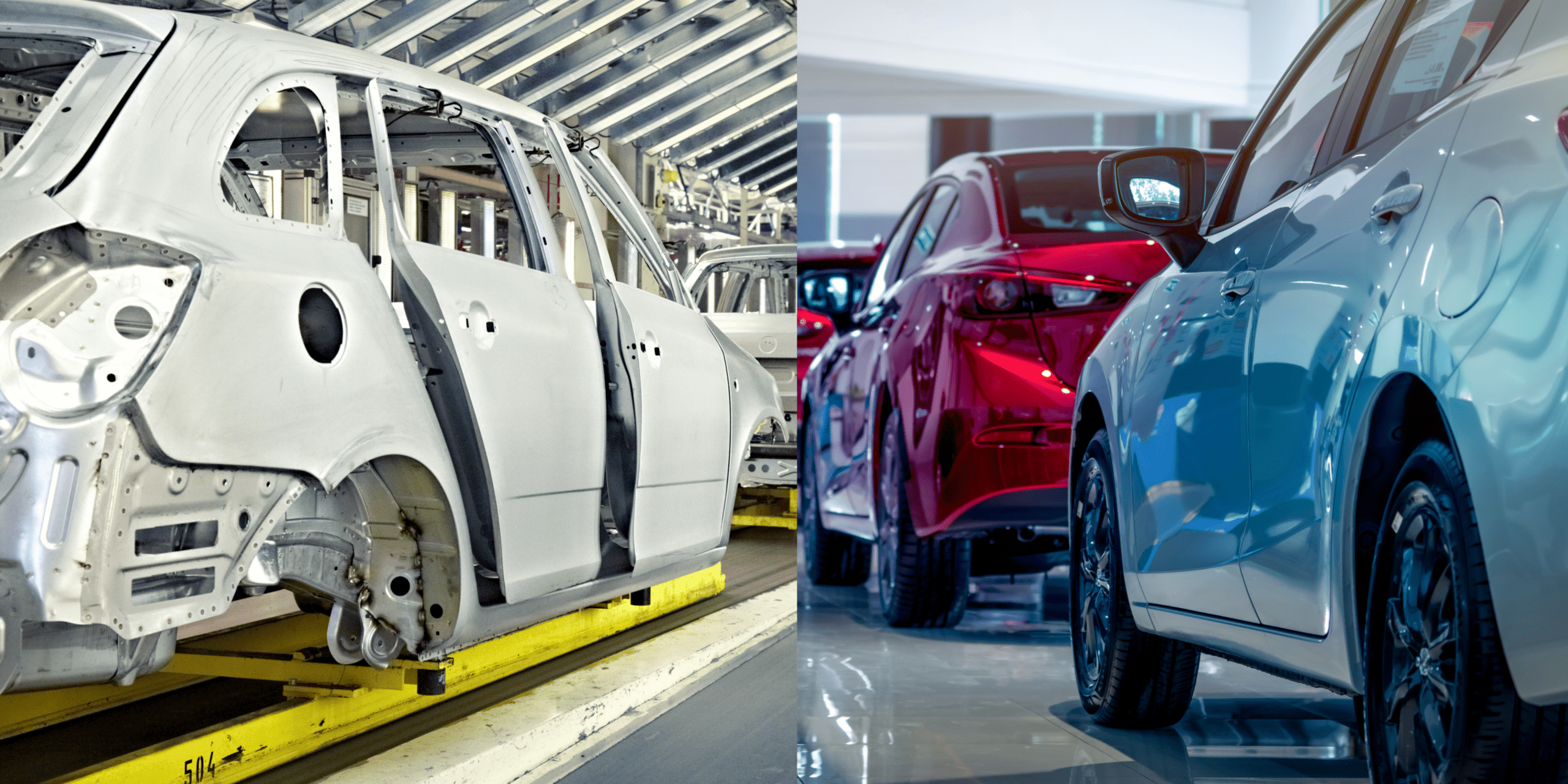
In the global luxury automotive market, one of the most persistent and costly sources of confusion for buyers is the difference between the model year and the make year. While these terms are often used interchangeably, they represent two fundamentally different concepts in vehicle manufacturing, certification, and marketing.
This misunderstanding becomes critical in luxury segments, where brands like BMW, Mercedes-Benz, and Audi utilize complex production cycles. A vehicle may be manufactured in one year, marketed as another, and registered in a third depending on the region. Without understanding the distinction between the car manufacturing year and the model year labeling, buyers risk overpaying, misjudging depreciation curves, or misunderstanding their warranty timelines.
What Is Make Year or Manufacturing Year?
The make year, accurately referred to as the manufacturing year, is the actual calendar year in which a vehicle is physically produced on the factory assembly line.
Key Characteristics of Manufacturing Year
- It is based on the real production date rather than the marketing classification.
- It is determined exclusively by factory output schedules and logistics.
- It is permanently recorded in production databases and embedded directly in the Vehicle Identification Number.
- It may not align with the calendar year of the actual retail sale or the regional registration date.
Luxury manufacturers often operate continuous production cycles. For example, a vehicle manufactured in November 2025 may be marketed and sold as part of the 2026 model year lineup, even though its strict manufacturing year remains 2025.
What Is Model Year?
The model year is a marketing and product classification system used by automakers to define a design generation, feature set, and commercial identity. Unlike the manufacturing year, the model year is not strictly tied to the calendar year and typically begins several months before the actual year it represents.
Why Automakers Use Model Years
- To introduce feature updates, software upgrades, and mid-cycle facelifts.
- To standardize global marketing campaigns across different international regions.
- To align dealership inventory cycles with strategic financial quarters.
- To differentiate product generations for clear consumer positioning.
Examples Across Luxury Brands
- BMW: Often launches new model year vehicles in the third or fourth quarter of the preceding calendar year with updated infotainment packages.
- Mercedes-Benz: Frequently introduces updated software and driver assistance features under a new model year designation well before January.
- Audi: Uses model year cycles to synchronize minor design refreshes, such as lighting signatures, across global markets simultaneously.
VIN Decoding Basics for Luxury Cars
Every vehicle has a unique seventeen character Vehicle Identification Number that encodes manufacturing and specification details under standardized global conventions.
Understanding VIN Structure
- World Manufacturer Identifier: The first three characters identify the corporate manufacturer and the country of origin.
- Vehicle Descriptor Section: Characters four through nine describe the specific model, body type, and engine configuration.
- Vehicle Identifier Section: Characters ten through seventeen include the model year, the factory plant code, and the sequential serial number.
Identifying the Model Year in a VIN
The tenth character of the VIN represents the model year in a standardized global format.
- The letter P represents the 2023 model year.
- The letter R represents the 2024 model year.
- The letter S represents the 2025 model year.
- The letter T represents the 2026 model year.
- For example, in the sample VIN WBA5A1C50SGL12345, the tenth character is S, confirming it is a 2025 model year vehicle.
Model Year vs Make Year Comparison
| Factor | Make Year | Model Year |
| 1. Definition | The actual calendar year the vehicle is physically built | The marketing cycle year assigned by the manufacturer |
| 2. Basis | Factory assembly line production date | Product generation and feature cycle |
| 3. Market Pricing Impact | Secondary factor in used resale valuation | Primary market reference for depreciation |
| 4. Dealer Labeling | Rarely emphasized on the dealership showroom floor | The primary commercial sales label to drive demand |
Impact on Luxury Car Resale Value and Insurance
The distinction between these two dates plays a critical role in luxury car resale value and long-term depreciation behavior. Buyers typically evaluate vehicles based on the model year designation and feature availability. Even if two vehicles were manufactured within weeks of each other, the newer model year vehicle often commands a much higher resale premium due to the perception of updated technology.
Key Considerations for Valuation

- Depreciation Trends: Luxury vehicles experience their steepest financial depreciation during the first three years based heavily on their assigned model year.
- Insurance Valuation: The Insured Declared Value is usually anchored to the model year, while the manufacturing year serves as supporting data for age calculation during registration.
- Dealership Inventory: Dealerships actively manage transitions by offering heavy year-end clearance discounts on outgoing model year units to make room for newer inventory, providing strong value for strategic buyers.
Common Misconceptions
- Same model year means same manufacturing year: False. Vehicles within the exact same model year can be produced across two different calendar years.
- Manufacturing year does not affect resale: Partially false. While secondary, early versus late production runs can influence perceived quality and exact warranty start dates.
- New model year always means a new design: False. Many model year transitions include only minor software patches or interior trim updates without any underlying mechanical changes.
Conclusion
Understanding the difference between the model year and the make year is essential for anyone purchasing or investing in a premium vehicle. While the manufacturing year reflects the definitive build date on the assembly line, the model year defines how the vehicle is positioned, marketed, and ultimately valued in the pre-owned cars market. By mastering this distinction, buyers can accurately evaluate depreciation curves, secure precise insurance coverage, and leverage older inventory for substantial dealership discounts.
To stay informed on the latest luxury automotive strategies, deep dive market analyses, and expert buying guides, follow Motozite for the definitive insights driving the premium car market in India.