
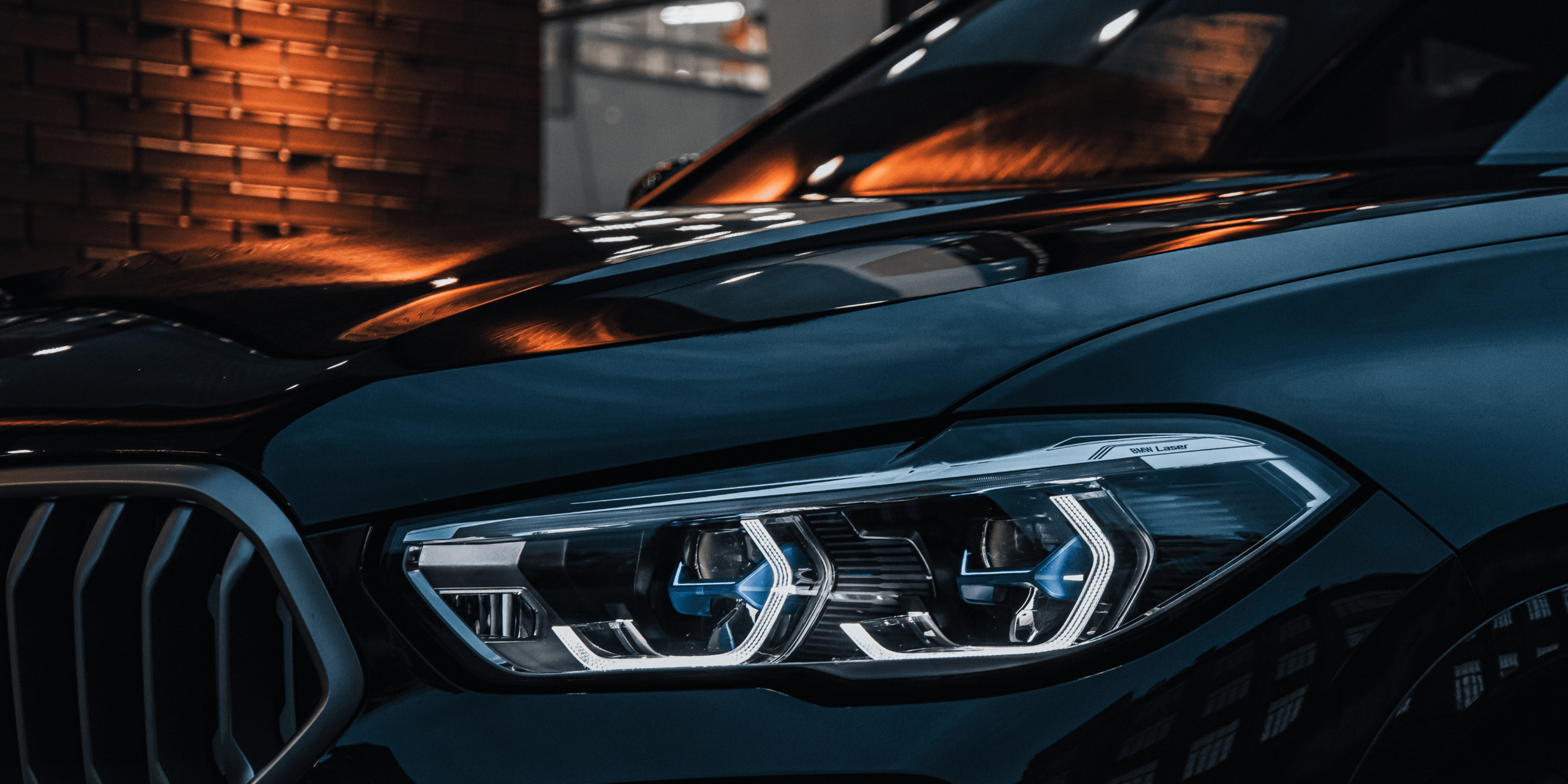
India’s luxury car market continued its strong growth trajectory in FY2026, with premium automakers witnessing rising demand from affluent buyers, entrepreneurs, and younger luxury consumers. While Mercedes-Benz retained its position as India’s top luxury car brand for the full financial year, BMW delivered one of its strongest performances in over a decade by overtaking Mercedes-Benz in Q4 FY2026 sales.
The latest numbers highlight a rapidly evolving premium automotive market in India, one increasingly shaped by electric vehicles (EVs), long-wheelbase luxury sedans, and high-end SUVs.
Mercedes-Benz Holds FY2026 Leadership Despite Q4 Pressure
Mercedes-Benz remained India’s best-selling luxury carmaker in FY2026, continuing a leadership streak that has remained intact since 2015. However, the competition became significantly tighter in the final quarter of the fiscal year.
According to industry sales data, BMW Group sold 4,944 luxury vehicles in Q4 FY2026, narrowly surpassing Mercedes-Benz, which retailed around 4,860 units during the same period. This marked the first time since 2012 that BMW outperformed Mercedes-Benz in a quarterly sales comparison in India.
Despite the Q4 setback, Mercedes-Benz maintained its overall lead for the complete FY2026 period. The company reported record-breaking annual retail sales of 19,363 units in FY2026, registering a growth of 2.30 percent over the 18,928 units sold in FY2025. This performance underlines the strength of its top-end vehicle segment, which includes the S-Class, Maybach range, AMG lineup, and the EQS SUV, contributing 27 percent to total sales. BMW India closed the annual gap significantly, finishing the fiscal year with 17,301 units.
BMW’s EV Push Becomes a Major Growth Driver
A key factor behind BMW’s surge was its aggressive push in the electric luxury vehicle segment. Zooming out to the full financial year, India’s luxury EV segment closed FY2026 at a record 5,404 units, up 61 percent year-on-year from 3,357 units in FY2025.
BMW dominated this space by commanding a 65.45 percent market share. The company’s electric vehicle sales jumped by approximately 124 percent year-on-year, delivering 3,537 luxury EVs in FY2026 compared to 1,580 units in FY2025. Mercedes-Benz faced a 10 percent dip in its EV sales, securing the second spot with 1,047 units. Models such as the BMW iX1 Long Wheelbase emerged as strong contributors to this momentum, becoming the top-selling luxury EV in the country.
The data reflects a broader trend across India’s luxury auto market. Affluent buyers are becoming highly receptive to premium EVs, especially in metro cities where charging infrastructure and sustainability awareness are improving.
Luxury Sedans Are Making a Comeback
Although SUVs continue to dominate the Indian passenger vehicle market, FY2026 also witnessed renewed interest in luxury sedans.
The Mercedes-Benz E-Class Long Wheelbase remained one of the most sought-after luxury sedans in the country, reinforcing the enduring appeal of chauffeur-driven premium cars among Indian buyers. Industry analysts note that long-wheelbase models, offering enhanced rear-seat comfort, are especially popular with business owners and executives.
BMW also benefited from this trend through strong demand for its 5 Series LWB lineup. Long-wheelbase models contributed 2,256 units to BMW sales in the final quarter alone, comprising over half of all deliveries. This shift suggests that while SUVs remain aspirational, luxury sedan buyers are prioritizing comfort, status, and rear-seat experience over outright road presence.
JLR, Volvo and Porsche Continue to Grow
Beyond the top two German rivals, other premium manufacturers also posted notable numbers in FY2026.
Jaguar Land Rover recorded retail sales of 6,031 units in India during FY2026, alongside wholesale volumes of 6,210 units. The heavy lifting for the brand was carried by the Range Rover, Range Rover Sport, and Defender models, which collectively accounted for over 80 percent of JLR India’s total sales. Despite being a Completely Built Unit import, the Land Rover Defender was the brand’s best-selling model for the second consecutive year.
Meanwhile, Volvo Cars registered 382 electric vehicle sales as part of its luxury lineup, while Porsche maintained steady momentum in the ultra-premium segment, contributing 59 units to the luxury EV market share alone.
These figures indicate that India’s luxury vehicle market is broadening beyond the traditional Mercedes-BMW rivalry, with niche brands finding a strong footing through specialized product offerings.
What Is Driving India’s Luxury Car Boom?
Several macroeconomic and consumer trends are fueling the rapid growth of India’s premium automobile segment:
- Rising High-Net-Worth Individuals: India continues to witness growth in wealthy entrepreneurs, startup founders, and business families, especially across metro and Tier-2 cities.
- Premiumization Trend: Consumers are increasingly willing to spend more on premium experiences, choosing high-end variants over entry-level options. This is reflected in Mercedes-Benz’s value-over-volume strategy, where its top-end vehicle segment grew by 16 percent.
- Expanding EV Adoption: Luxury buyers are among the earliest adopters of electric mobility due to higher purchasing power and access to dedicated home and public charging solutions.
- Strong SUV Demand: Luxury SUVs remain the backbone of premium sales. For instance, BMW’s Sports Activity Vehicles accounted for roughly 65 percent of its quarterly volumes.
- Improved Financing Options: Flexible leasing, structured buyback programs, and tailor-made financing schemes have made luxury vehicle ownership highly accessible to younger professionals.
FY2027 Outlook: The Luxury Car Battle Intensifies
The competition between Mercedes-Benz and BMW is expected to become even sharper in FY2027.
BMW’s rapid EV expansion and strong quarterly momentum suggest the brand is actively targeting overall leadership in India’s luxury car segment. BMW Group India has lined up an ambitious plan with 27 launches scheduled across the BMW, MINI, and Motorrad brands, while expanding its retail footprint to 116 touchpoints. Meanwhile, Mercedes-Benz continues to benefit from an immense brand legacy, a wider portfolio, and consistent demand for flagship sedans, while preparing to launch its newest entry-level EV, the CLA BEV.
Industry experts expect electric luxury vehicles to become the defining battleground over the next few years, with brands introducing more locally assembled EVs to remain price competitive. As India’s affluent consumer base expands and premium mobility preferences evolve, the country’s luxury car market appears poised for another record-breaking year.
Conclusion
FY2026 proved that India’s luxury automobile industry is entering a new phase of competition and innovation. Mercedes-Benz may have retained the overall leadership position, but BMW’s strong Q4 performance signals a meaningful shift in market dynamics. With EV adoption accelerating, premium sedan demand stabilizing, and affluent consumers seeking more technologically advanced vehicles, India’s luxury car segment is transforming rapidly. For buyers, this intensifying rivalry is likely to result in better technology, more localization, and a wider range of luxury mobility options in the years ahead.
As the race for market leadership intensifies between the world’s finest automakers, staying ahead of changing trends, retail data, and upcoming launches is essential. Follow Motozite for more comprehensive automotive insights, expert comparisons, and deep-dive analyses into India’s luxury car segment.