
A Quiet but Historic Shift in Automotive Testing
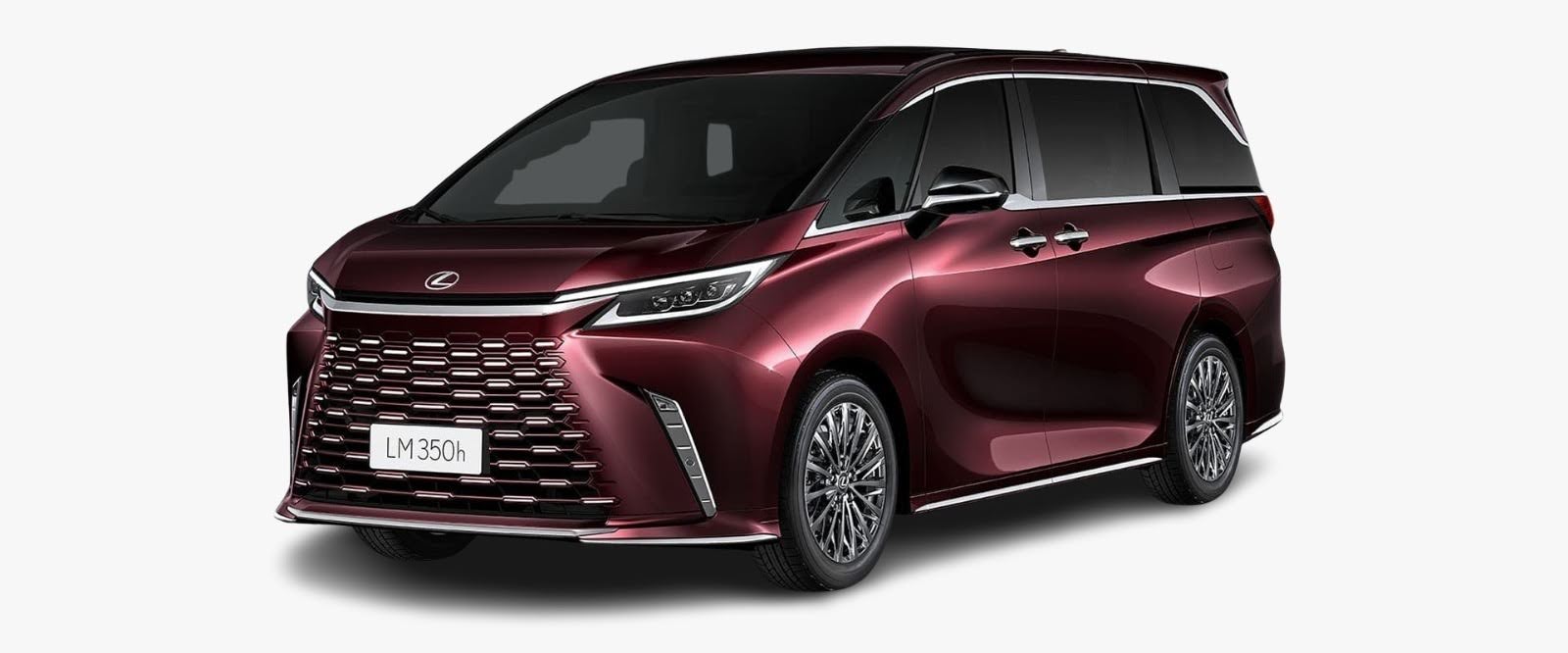
India’s luxury automotive segment has reached a new milestone with the Lexus LM 350h becoming the first vehicle in the country to receive WLTP certification under AIS:175 standards. The approval, issued by the Automotive Research Association of India (ARAI), positions Toyota Kirloskar Motor at the forefront of India’s transition toward globally harmonized emissions and efficiency testing.
This development is more than a technical upgrade. It signals a structural shift in how vehicles will be tested, regulated, and ultimately compared in India ahead of the 2027 mandate.
What Is WLTP and Why It Matters for India
The Worldwide Harmonized Light Duty Test Procedure (WLTP) is a globally recognized testing method designed to measure fuel consumption, energy efficiency, and exhaust emissions. Unlike India’s older Modified Indian Driving Cycle (MIDC) system, WLTP uses more dynamic and realistic driving simulations. The core differences in WLTP testing include:
- Higher speed variations to better reflect modern highway driving.
- Realistic stop-go traffic conditions often found in urban environments.
- Consideration of vehicle weight and optional equipment that impact efficiency.
- Aerodynamic differences between various trim levels of the same model.
WLTP is already widely adopted in markets such as Europe, Japan, and South Korea, making it a more internationally aligned benchmark for the Indian market.
Lexus LM 350h: The First WLTP Certified Car in India
The Lexus LM 350h, a flagship luxury MPV, has officially become the first vehicle in India to meet WLTP compliance requirements under AIS:175. This certification holds significant weight for the industry:
- First-ever WLTP approval granted in India’s automotive sector.
- Early certification by ARAI ahead of the official 2027 mandate.
- Broad application for M1 and M2 category vehicles, including passenger cars and vans under 5 tonnes.
- Voluntary compliance by Toyota Kirloskar Motor, showcasing a proactive regulatory approach.
This makes the LM 350h a pioneer in India’s regulatory transition timeline.
Why the Toyota Group Move Is Strategically Important
Toyota’s decision to pursue WLTP certification early is a calculated move to lead the market in transparency and readiness.
1. Preparing for Regulatory Change WLTP will become mandatory in India from April 1, 2027. By certifying now, manufacturers avoid the last-minute rush and ensure their technical teams are fully integrated with the new standards.
2. Improving Global Alignment Adopting WLTP early ensures that Toyota and Lexus portfolios in India align with international benchmarks used in major global hubs, simplifying the import and export of technical data.
3. Building Trust in Efficiency Figures WLTP is known to produce more realistic fuel economy and emissions data compared to MIDC. This transparency helps build consumer trust by providing figures that are closer to real-world performance.
What It Means for Car Buyers in India
The shift to WLTP testing will have a direct and positive impact on Indian consumers:
- More Realistic Mileage Figures: Fuel efficiency ratings will become more accurate, reducing the gap between claimed laboratory results and actual road usage.
- Better Product Comparisons: Customers can now compare vehicles across global markets with a consistent and shared metric.
- Increased Regulatory Transparency: Emissions and energy efficiency data will reflect real driving scenarios more closely, assisting buyers in making eco-conscious decisions.
In simple terms, the discrepancy between “claimed mileage” and “real mileage” is expected to shrink significantly as more vehicles undergo this testing.
Lexus LM 350h: A Luxury MPV Leading Regulatory Change
The Lexus LM 350h is already a standout in the ultra-luxury segment, with pricing starting above 2 crore. It is defined by its hybrid powertrain, which balances efficiency with extreme refinement, and its lounge-style rear seating designed for maximum passenger comfort. Now, it adds a regulatory milestone to its identity, proving that luxury and technical compliance go hand in hand.
Broader Industry Impact: A Turning Point for Automakers
This certification marks the beginning of a wider transformation. We can expect other manufacturers to begin WLTP compliance testing shortly, ensuring that upcoming launches are benchmarked under these stricter standards. As India moves closer to international sustainability and testing norms, the alignment with Europe and Asia-Pacific markets will strengthen the competitiveness of the Indian auto industry on the global stage.
A Small Badge with a Big Future Impact
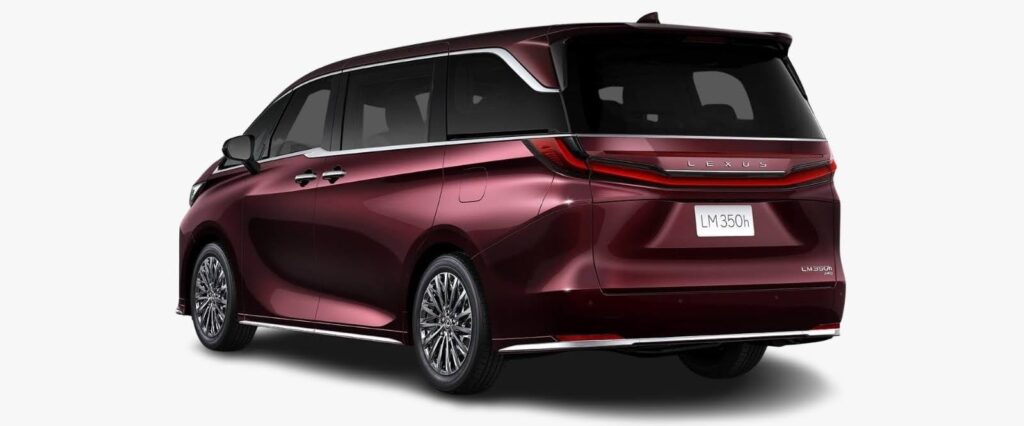
While the WLTP certification of the Lexus LM 350h may appear to be a niche regulatory update, it represents a foundational change in the Indian automotive landscape. By becoming the first WLTP-certified car in India, the Lexus LM is not just leading in luxury-it is setting the tone for a new era of real-world emissions transparency and consumer trust. As 2027 approaches, this milestone will be remembered as the moment India officially adopted a global testing standard.
For more in-depth analysis of India’s evolving automotive regulations, expert reviews of the latest luxury launches, and comprehensive comparisons, follow Motozite. We keep you updated on the trends and milestones shaping the future of mobility in India.