
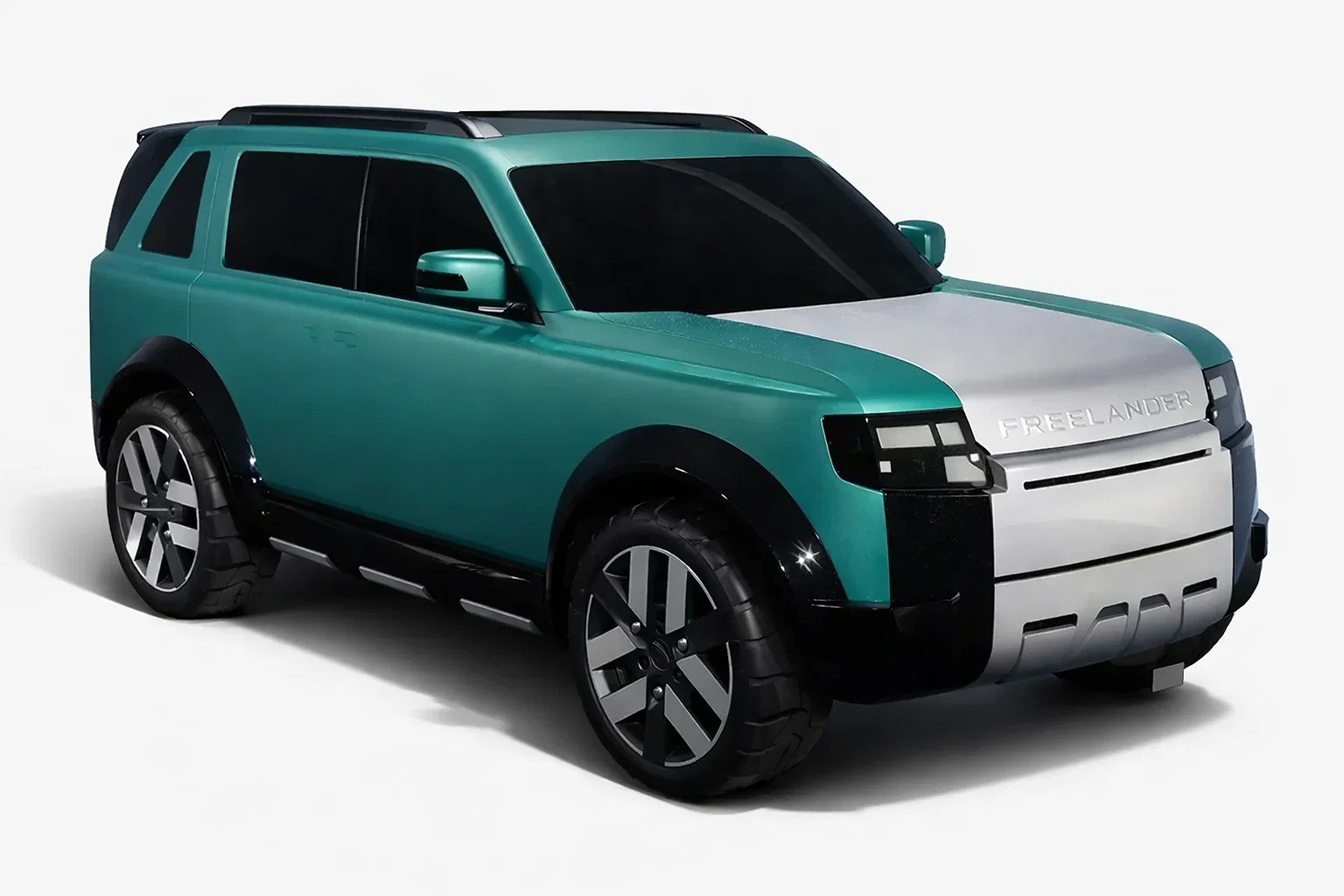
The return of the Freelander name marks one of the most significant shifts in the modern automotive landscape. Unlike typical revivals, this is not a nostalgic facelift for a single model; it is a complete reinvention as a standalone, premium “New Energy Vehicle” (NEV) brand.
Following its global debut on March 31, 2026, the Freelander brand-born from a 12-year joint venture between Jaguar Land Rover (JLR) and Chery-is stepping into the spotlight with a clear mission to redefine the electrified SUV segment.
From Iconic SUV to Independent EV Brand
Originally launched in 1997, the Freelander was once Europe’s best-selling compact SUV before being discontinued in 2015. In 2026, the name returns as an independent entity with its own global headquarters in Shanghai.
- Standalone Identity: Freelander is now a separate brand with its own product roadmap and distribution network, distinct from JLR’s “House of Brands” (Range Rover, Defender, Discovery, and Jaguar).
- Strategic Collaboration: JLR provides the design heritage and SUV expertise, while Chery supplies the flexible modular platforms and advanced EV technology.
- Production Shift: The brand will be manufactured at the Changshu facility in China, effectively replacing the locally produced Land Rover Discovery Sport and Range Rover Evoque.
Platform and Powertrain: Built for the Electric Era
The new Freelander lineup is engineered on a sophisticated 800V electrical architecture, designed to support a multi-energy strategy that caters to diverse global markets.
- Flexible Powertrains: The platform accommodates Battery Electric (BEV), Plug-in Hybrid (PHEV), and Range-Extended Electric Vehicle (EREV) options.
- Advanced Battery Tech: Developed with CATL, the all-terrain “Freevoy” battery supports 6C supercharging, achieving peak power of 360 kW.
- High-Performance Hardware: Vehicles will be powered by the Qualcomm Snapdragon 8397 chip and feature Huawei’s Qiankun ADS 4.1 driver assistance system, complete with an 896-line LiDAR sensor.
The Concept 97: A Glimpse of the Future
The brand’s vision is led by the Concept 97, a mid-to-large six-seater SUV stretching over 5,100 mm in length. Its name is a direct nod to the launch year of the original Freelander.
- Rugged Aesthetics: The design features a boxy, “boxy” silhouette with squared-off LED lighting and a distinctive diagonal C-pillar.
- Cabin Luxury: The interior features a 2+2+2 seating layout, including a second-row “zero-gravity” seat for maximum comfort.
- Software-Defined: The cabin is characterized by a massive digital display spanning the dashboard width, powered by next-gen processing hardware.
Global Strategy: China First, World Next
While the initial launch focuses on the Chinese market-with 100 stores planned across 60 cities this year-Freelander is being built as a “world car.”
- Rapid Expansion: After its China debut, the brand plans to enter the Middle East followed by Europe.
- Localized Calibration: Every model is being calibrated specifically for its destination market rather than simply being exported as a Chinese specification.
- Product Cadence: Freelander has committed to a rapid-fire rollout, with plans to launch a new model every six months over the next five years.
Pros and Cons
Pros
- Leveraging deep brand nostalgia with a modern, high-tech execution.
- Multi-powertrain flexibility (BEV, PHEV, EREV) reduces reliance on charging infrastructure.
- Integration of top-tier technology from partners like Huawei, CATL, and Qualcomm.
- Competitive production costs through Chery’s established manufacturing ecosystem.
Cons
- Challenging task of establishing a new brand identity without the Land Rover badge.
- Intense competition from both established luxury brands and emerging EV giants like BYD.
- Significant reliance on the Chinese market for initial volume and manufacturing.
Final Verdict: A Smart Reinvention with Real Potential
The reborn Freelander is a case study in modern automotive synergy. By blending British design DNA with the pace of Chinese EV innovation, it occupies a unique “premium-but-accessible” space. If the production version of the Concept 97-slated to begin manufacturing by late 2026-can maintain its promised blend of off-road capability and high-tech luxury, Freelander may very well become a global benchmark for the next generation of SUVs.
The evolution of Freelander from a single model to a technology-led brand signals a bold new direction for JLR and Chery. As the brand prepares for its first production rollout, the automotive world will be watching to see if this heritage-rich nameplate can dominate the electric era as it once did in the compact SUV segment. Follow Motozite for more deep dives into the latest EV brand launches, expert technical analysis, and the future of global mobility.