
Introduction
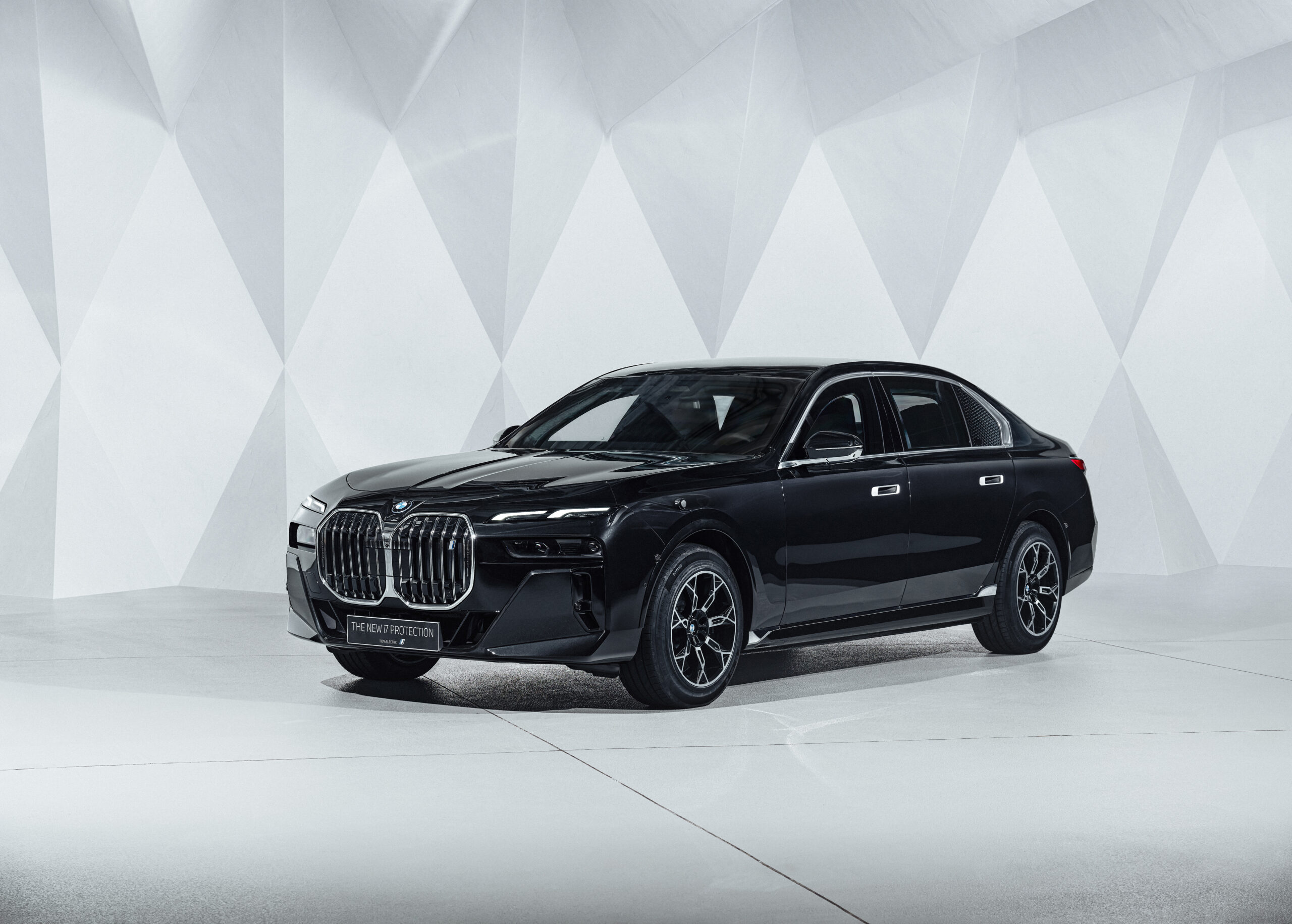
German luxury cars have long been the gold standard for performance, engineering precision, and premium appeal. Brands like BMW, Audi, and Mercedes-Benz dominate the luxury segment in India, offering everything from sporty sedans to tech-loaded SUVs. However, while these vehicles deliver an unmatched driving experience, they are not without their drawbacks—especially in Indian conditions.
For buyers browsing premium listings, understanding these common issues is crucial to making an informed decision. This blog breaks down the real-world challenges associated with German luxury cars, particularly from an Indian ownership perspective.
Key Factors to Understand Before Buying
1. Engineering Complexity
German cars are built with cutting-edge technology, advanced electronics, and performance-oriented components. While this ensures superior driving dynamics, it also makes these cars more complex—and sometimes more prone to issues over time.
2. Indian Driving Conditions
Factors like poor road quality, high temperatures, dust, and traffic congestion can accelerate wear and tear in luxury vehicles that are primarily designed for smoother European roads.
3. Ownership Pattern in India
Many luxury cars in India are chauffeur-driven. This changes how the car is used—more idling, stop-go traffic, and less enthusiastic driving—which can impact components differently compared to self-driven usage.
Common Problems in German Luxury Cars
Engine and Cooling System Issues
BMW 3 Series, BMW 5 Series
BMW engines are known for performance, but cooling system failures are a recurring concern. Radiators, water pumps, and thermostats may wear out earlier than expected, especially in hot climates like India.
- Overheating in city traffic
- Coolant leaks
- Expensive replacement parts
Audi A6, Audi Q5
Audi models, particularly those with turbocharged engines, can face oil consumption issues over time.
- Excessive engine oil usage
- Turbocharger-related wear
- Carbon buildup in direct injection engines
Electrical and Sensor Failures
Mercedes-Benz E-Class, Mercedes-Benz C-Class
Mercedes vehicles are packed with electronics—from infotainment systems to driver-assistance features. Over time, sensor failures and electronic glitches can occur.
- Faulty parking sensors
- Infotainment lag or system crashes
- Issues with ambient lighting or digital displays
Audi A4, Audi Q7
Audi’s virtual cockpit and advanced tech interfaces are impressive but can sometimes be unreliable in the long run.
- Display malfunctions
- Software bugs
- Battery drain due to electronics
Suspension Wear and Ride Comfort
BMW X5, BMW X3
BMW’s sporty suspension setup is not always ideal for Indian roads.
- Stiff ride quality on rough roads
- Faster wear of suspension components
- Expensive shock absorber replacements
Mercedes-Benz GLS, Mercedes-Benz S-Class
Luxury-focused air suspension systems offer excellent comfort but can be costly to maintain.
- Air suspension failure
- Compressor issues
- High repair costs after warranty
Transmission and Gearbox Concerns
Audi Q7, Audi A6
Audi’s DSG (dual-clutch) transmissions are quick but sensitive.
- Jerky performance in traffic
- Clutch wear in stop-go conditions
- Expensive gearbox repairs
BMW 7 Series
Automatic transmissions in high-end BMW models can develop issues if not maintained properly.
- Delayed gear shifts
- Transmission overheating
- Costly servicing
Maintenance and Ownership Costs
German luxury cars are not cheap to maintain, and this is one of the biggest challenges for Indian buyers.
Common Across BMW, Audi, and Mercedes-Benz
- High cost of spare parts
- Limited availability of skilled technicians outside metro cities
- Expensive service packages after warranty
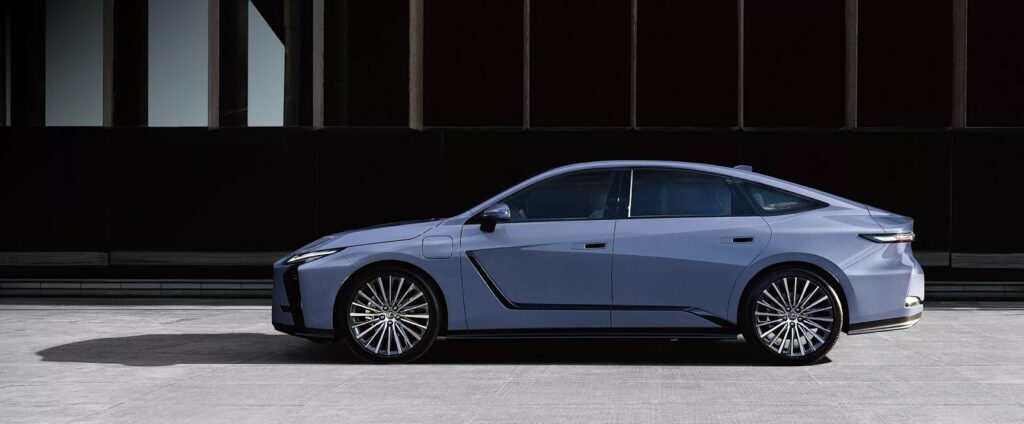
Even routine services can cost significantly more compared to Japanese or Korean luxury alternatives like Lexus.
Resale Value and Depreciation
German cars tend to depreciate faster in India compared to brands like Toyota or Lexus.
- High initial depreciation in the first 3–5 years
- Buyers wary of out-of-warranty repairs
- Lower resale demand in smaller cities
Models like Audi A8 or BMW 7 Series often see steep price drops in the used car market.
Buying Tips for Indian Buyers
1. Opt for Extended Warranty
Always choose extended warranty packages, especially for models like Mercedes-Benz E-Class or BMW 5 Series, where repair costs can be significant.
2. Check Service History
A well-maintained Audi Q5 or BMW X3 with a complete service record is far more reliable than a poorly maintained newer model.
3. Consider Usage Pattern
- Chauffeur-driven buyers may prefer comfort-oriented models like Mercedes-Benz S-Class
- Self-drive enthusiasts might lean toward BMW 3 Series or BMW X1
4. Evaluate Road Conditions
If you frequently drive on rough roads, SUVs like Audi Q7 or Land Rover Discovery Sport may be more practical than low-slung sedans.
5. Budget for Maintenance
Set aside a yearly maintenance budget. Even minor repairs in German cars can be expensive compared to mass-market vehicles.
Final Verdict
German luxury cars from BMW, Audi, and Mercedes-Benz offer an unmatched blend of performance, prestige, and technology. However, they demand informed ownership—especially in India, where road conditions and usage patterns can expose their vulnerabilities.
If you value driving experience and brand appeal, these cars are worth considering—but only with proper planning around maintenance and long-term costs. For buyers exploring premium listings, platforms like Motozite make it easier to compare well-maintained options and choose vehicles that align with both lifestyle and budget.
Ultimately, the right German luxury car is not just about the badge—it’s about choosing a model that fits Indian realities as well as your expectations.