
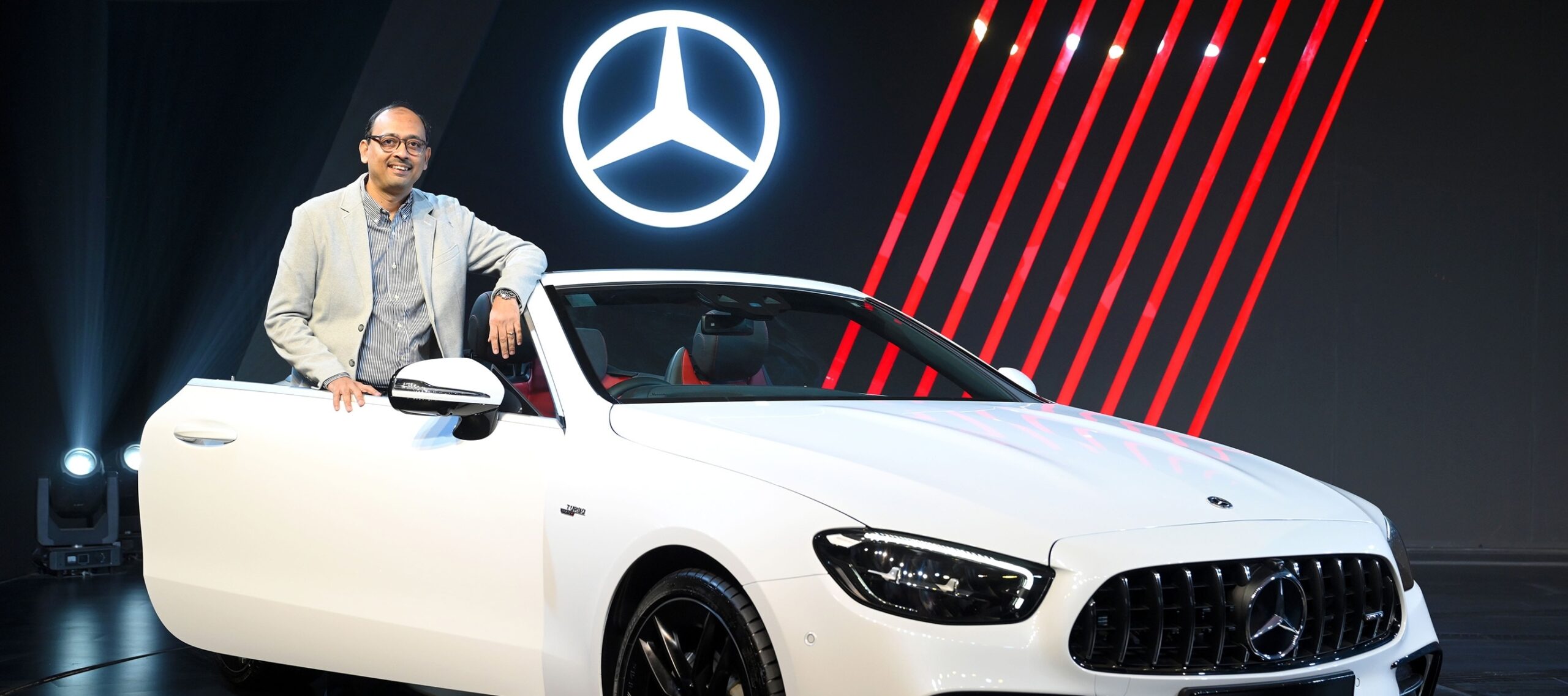
Mercedes Benz India has officially confirmed a price revision of up to 2 percent across its entire model range, effective April 1, 2026. This marks the second price adjustment in the 2026 calendar year, following a similar increase in January. The decision comes as the luxury automaker navigates sustained economic pressures and fluctuating market dynamics.
In this guide, we explore the primary drivers behind this price hike, how it impacts different vehicle segments, and what prospective luxury car buyers should do before the new rates take effect.
Why Is Mercedes Benz Increasing Prices Again?
The decision to raise prices is driven by a combination of global and domestic macroeconomic factors. According to senior executives at Mercedes Benz India, the primary catalysts include:

- Currency Volatility: The sustained depreciation of the Indian rupee against the euro has significantly inflated the cost of imported components and Completely Built Units (CBUs).
- Rising Input Costs: Global supply chain pressures have led to higher costs for raw materials, logistics, and general operational expenses.
- Business Sustainability: To maintain high standards of service and product innovation, the brand has noted that absorbing these escalating costs is no longer feasible without a marginal price correction.
How Much Will Prices Increase?
While specific model-wise pricing will be available at dealerships soon, the 2 percent hike is expected to result in an increase ranging from approximately INR 89,000 to INR 7.33 lakh, depending on the model and variant.
- Entry-Level Models: Vehicles like the A-Class Sedan and GLA will see increases at the lower end of the spectrum.
- Mid-Range Luxury: Best-sellers like the C-Class and GLC will undergo a moderate price adjustment.
- High-Performance and Top-End Luxury: Premium models, including the AMG G63 and the S-Class, will see the most significant nominal increases due to their higher base prices.
Broader Market Trends in 2026
Mercedes Benz is not the only manufacturer adjusting its strategy. Other major players in the luxury segment, including Audi India and BMW India, have also announced price hikes of up to 2 percent effective from April 2026. This industry-wide movement suggests a collective response to the depreciating rupee and rising global commodity prices.
Furthermore, Mercedes Benz has indicated that it may move toward more frequent, perhaps quarterly, price reviews throughout 2026 to stay aligned with foreign exchange fluctuations.
Key Takeaways for Prospective Buyers
If you are currently in the market for a luxury vehicle, here are three points to consider:
- Beat the Deadline: Existing prices are only valid for bookings and deliveries completed by March 31, 2026. Finalizing your purchase now can save you a significant amount on the ex-showroom price.
- Financial Benefits: Despite the hike, benefits from Mercedes Benz Financial Services, often influenced by recent RBI repo rate adjustments, may help cushion the overall impact on monthly instalments.
- Future Outlook: With multiple brands following this trend, waiting for a price drop later in the year seems unlikely. Early action remains the most cost-effective strategy for 2026.
The shift in pricing highlights the delicate balance luxury automakers must maintain between premium positioning and economic reality. While a 2 percent increase is a measured step, it underscores the importance of timing for high-value investments. As the Indian luxury market continues to evolve, staying informed on these shifts is essential for making a sound automotive purchase. Follow Motozite for the latest expert analysis, in-depth comparisons, and comprehensive updates on the trends shaping the future of the Indian automotive industry.