

The global automotive industry is undergoing a profound transformation as sustainability becomes a central pillar of innovation. Among premium automakers, BMW Group is leading the shift toward environmentally responsible vehicle design, particularly in the vehicle interior, where materials, manufacturing processes, and recyclability are being reimagined.
From vegan leather alternatives to recycled ocean plastics and natural plant fibers, BMW is integrating sustainability directly into the cabin experience. The result is a new form of sustainable luxury that blends environmental responsibility with the premium quality expected from the brand.
This article explores how BMW incorporates sustainability into vehicle interiors, the innovative materials behind it, and why these changes matter for the future of mobility.
Why Sustainability Matters in Automotive Interiors
Traditionally, vehicle interiors relied heavily on materials such as leather, plastics, and carbon-intensive composites. While these materials deliver durability and premium aesthetics, they often come with high environmental costs across production and supply chains.
Automakers now face growing pressure from regulators, consumers, and environmental targets to reduce carbon emissions throughout the entire lifecycle of a vehicle, from raw material sourcing to end-of-life recycling.
To address this challenge, BMW focuses on three key sustainability principles:
- Circular economy design
- Use of renewable and recycled materials
- Reduced carbon emissions in manufacturing
By embedding these principles early in the design process, the company aims to make vehicles that are luxurious, recyclable, and climate-friendly simultaneously.
Key Sustainable Innovations in BMW Vehicle Interiors
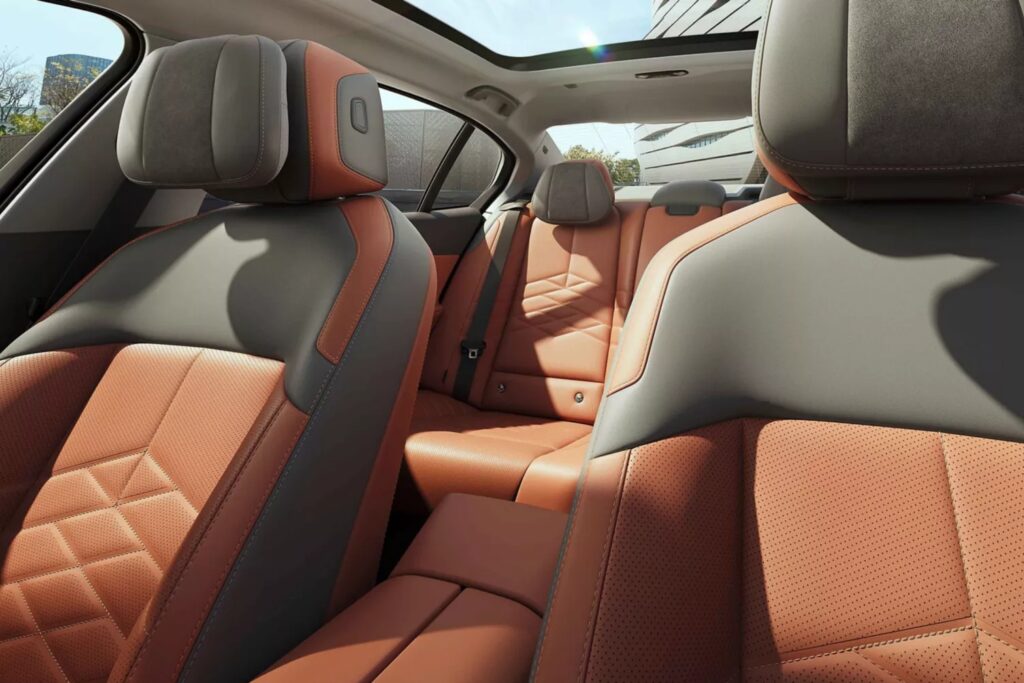
1. Vegan and Animal-Free Interior Materials
One of BMW’s most significant sustainability initiatives is the development of completely vegan interiors. Instead of traditional leather, BMW uses advanced materials that replicate the look, texture, and durability of leather without using animal products.
According to BMW Group data, these alternatives can reduce carbon emissions in the supply chain for specific components by approximately 85% compared with leather. This is largely because about 80% of leather-related emissions stem from methane gas during cattle rearing.
Examples of vegan interior components include:
- Steering wheel coverings
- Seat upholstery
- Dashboard trims
- Interior door panels
2. Natural Fibers: Hemp, Kenaf, and Flax
BMW has increasingly integrated plant-based fibers into interior structures and panels. Materials such as hemp, kenaf, and flax are used in door trim panels, seat structures, and armrest substructures.
These natural fibers are not only renewable but also lighter than conventional materials. In some applications, they can reduce component weight by up to 50%, directly improving vehicle efficiency. Additionally, these plants absorb CO2 during growth, contributing to a lower overall carbon footprint.
3. Recycled Ocean Waste and Plastics
A major focus area is the reuse of waste materials that would otherwise pollute oceans and landfills. BMW repurposes discarded fishing nets and maritime ropes into high-quality recycled plastics.
In models from BMW’s Neue Klasse generation, such as the upcoming 2026 BMW iX3, interior trim parts contain approximately 30% recycled fishing nets and ropes. This initiative:
- Reduces marine pollution.
- Lowers energy requirements for production.
- Achieves an approximately 25% lower carbon footprint compared to conventional plastics.
Also Read: BMW Neue Klasse i3 Global Debut on March 18: What to Expect from BMW’s Next Gen Electric Sedan
4. Recycled Textiles and PET Bottle Materials
BMW also uses recycled PET plastics, commonly sourced from used bottles, to create interior fabrics. For example, the interior material mix in newer electric models can incorporate plastic from approximately 140 recycled PET bottles.
These recycled materials are used in seat fabrics, floor trims, and headliners. The transition to monomaterials (single-type materials) further improves recyclability at the end of a vehicle’s lifecycle.
5. Natural Fiber Composites for Lightweight Design
BMW is developing natural fiber composites to replace carbon fiber in certain vehicle parts. These composites, made from plant fibers like flax, provide similar structural benefits with significantly lower environmental impact.
When used in interior panels or vehicle roofs, production emissions can be around 40% lower than traditional carbon fiber components. These materials help achieve lighter vehicle structures, which is critical for maximizing the range of electric vehicles.
6. Circular Design for End-of-Life Recycling
BMW’s strategy focuses on a circular economy, meaning vehicles are designed from the start to be easier to recycle. This involves:
- Using fewer material types: Reducing complexity simplifies the sorting process.
- Avoiding complex mixed materials: Ensuring materials can be separated easily.
- Optimized dismantling: Designing parts that can be quickly removed and recovered.
Concept vehicles like the BMW i Vision Circular illustrate the brand’s ambition to achieve 100% recycled materials and full recyclability by the year 2040.
Sustainable Design Meets Premium Experience
One of the biggest challenges for luxury automakers is maintaining premium aesthetics while introducing sustainable materials. BMW’s design teams address this by ensuring sustainable materials also deliver high-quality textures, durability, and modern aesthetics.
Advanced techniques like 3D knitting for seat textiles reduce waste during production while improving ergonomics. This ensures that a sustainable interior does not feel like a compromise, but rather an evolution of luxury.
The Future of BMW’s Sustainable Interiors
BMW’s sustainability roadmap extends well beyond current models. Future vehicles under the Neue Klasse platform, launching from 2025 and 2026, are expected to push boundaries through:
- Increased use of secondary (recycled) raw materials, aiming for a 50% share in the near term.
- Fully circular interior design principles.
- Significantly reduced lifecycle carbon emissions.
These innovations support BMW’s broader ambition to dramatically reduce CO2 emissions across its supply chain and reach full climate neutrality by 2050.
Conclusion
Sustainability in the automotive sector is no longer limited to what happens under the hood. Today, it includes the very surfaces drivers and passengers interact with every day. Through innovations such as vegan leather, recycled ocean plastics, and plant-based fibers, the BMW Group is transforming vehicle interiors into a model of sustainable luxury. By combining advanced engineering with environmental responsibility, BMW demonstrates that the future of premium mobility can be both sophisticated and planet-friendly.
To stay updated on the latest shifts in automotive technology and luxury trends, follow Motozite for expert analysis, in-depth comparisons, and the insights you need to navigate the future of mobility.