
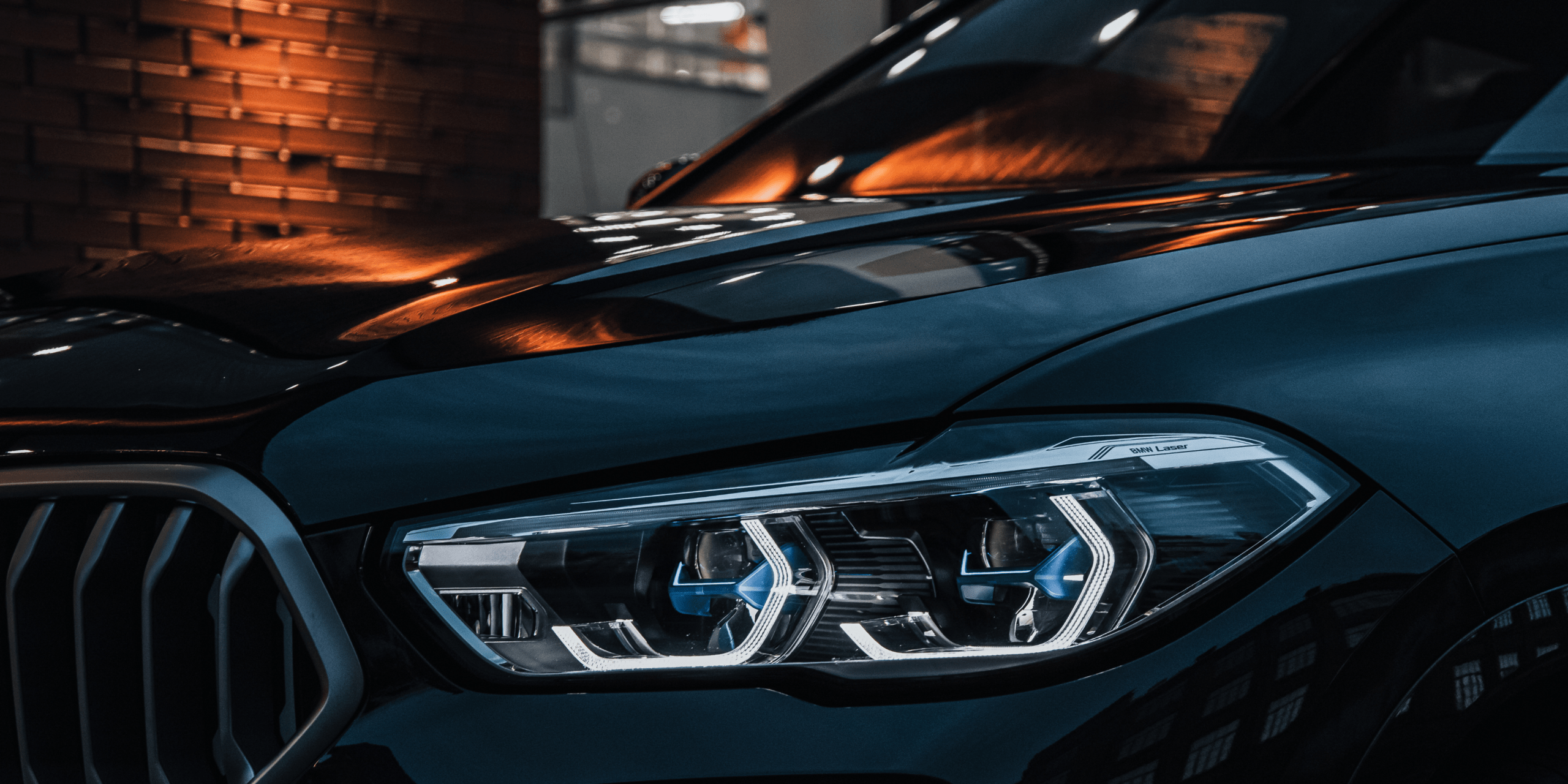
Owning a luxury car is a dream for many Indians. Whether it is the prestige of a German sedan, the comfort of a premium SUV, or the thrill of a high-performance machine, a luxury vehicle represents much more than just transportation. It symbolizes achievement, sophistication, and a passion for automotive excellence.
However, buying a luxury car is significantly different from purchasing a mainstream vehicle. Beyond the badge and premium features, buyers need to evaluate long-term ownership costs, service support, performance expectations, and overall value.
If you are planning to invest in a luxury car in India, here are the most important factors you should consider before making your decision.
1. Define What Luxury Means to You
Luxury is subjective. For some buyers, it means superior comfort and a chauffeur driven rear seat experience. For others, it is all about powerful engines, cutting edge technology, or pure brand prestige. Before exploring options, you should clarify your primary usage by evaluating these key elements:
- Determine whether you want a chauffeur driven experience or a driver focused car.
- Identify if outright performance and handling are your top priorities.
- Assess if you value ride comfort and cabin refinement more than raw speed.
- Establish whether you are buying the vehicle for personal satisfaction or to enhance a business image.
Understanding these expectations will help narrow down the right vehicle segment.
2. Prioritize Performance and Driving Experience
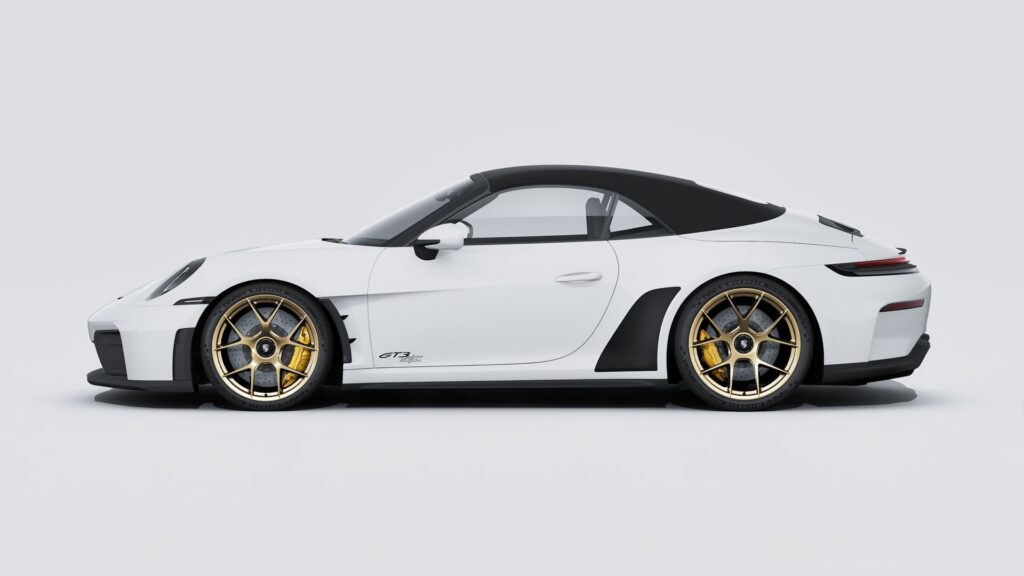
One of the biggest reasons buyers upgrade to luxury cars is the superior driving experience. Premium manufacturers invest heavily in engine refinement, suspension tuning, steering feedback, and transmission technology.
Experienced luxury car buyers generally prioritize the following mechanical attributes:
- Powerful turbocharged petrol, diesel, or electrified powertrains.
- Exceptionally smooth and responsive automatic gearboxes.
- Superior ride quality that isolates the cabin from bad roads.
- High-speed stability and confident handling dynamics.
A true premium vehicle should feel distinct and special every time you get behind the wheel.
3. Look Beyond the Brand Badge
While legacy brands such as Mercedes-Benz, BMW, Audi, Lexus, and Land Rover carry significant prestige, choosing a model solely based on the badge may not always align with your actual needs. Instead of looking only at the emblem on the grille, make sure to evaluate:
- The specific strengths and drawbacks of the individual model.
- Global and local reliability records for that particular powertrain.
- The real-world driving dynamics on Indian road conditions.
- The actual feature set compared to newer competitors in the same price bracket.
A well-rounded model from a slightly alternative premium brand often delivers better long-term satisfaction than an entry-level model from the most recognizable badge.
4. Evaluate Maintenance and Ownership Costs
One of the most critical realities of luxury car ownership in India is the ongoing maintenance. Premium vehicles are precision machines that require specialized care. Before signing the dotted line, you must factor in these recurring expenses:
- Higher routine service costs at authorized dealerships.
- Expensive spare parts and specialized components that often need to be imported.
- High-performance tyre replacement costs, which happen more frequently.
- Substantially costlier annual insurance premiums.
- Advanced electronic systems that require expert diagnostic tools for repairs.
While regular servicing may be manageable, out of warranty repairs can scale quickly. Budgeting for annual maintenance is essential before making a purchase.
5. Check Service Network and After Sales Support
A luxury car is only as good as the support network available after purchase. Because these vehicles feature advanced engineering, roadside breakdowns or complex electronic issues require proper brand backing. Before finalizing your vehicle, confirm these factors:
- The availability and proximity of authorized service centers in your specific city or region.
- The local dealer reputation for transparent billing and customer satisfaction.
- The regional availability of standard spare parts helps avoid long garage wait times.
- The robustness of the brand’s emergency roadside assistance programs.
- The availability and cost of extended warranty options up to five or eight years.
Strong after sales support can dramatically improve the ownership experience and reduce stress over the lifetime of the car.
6. Focus on Comfort and Cabin Quality
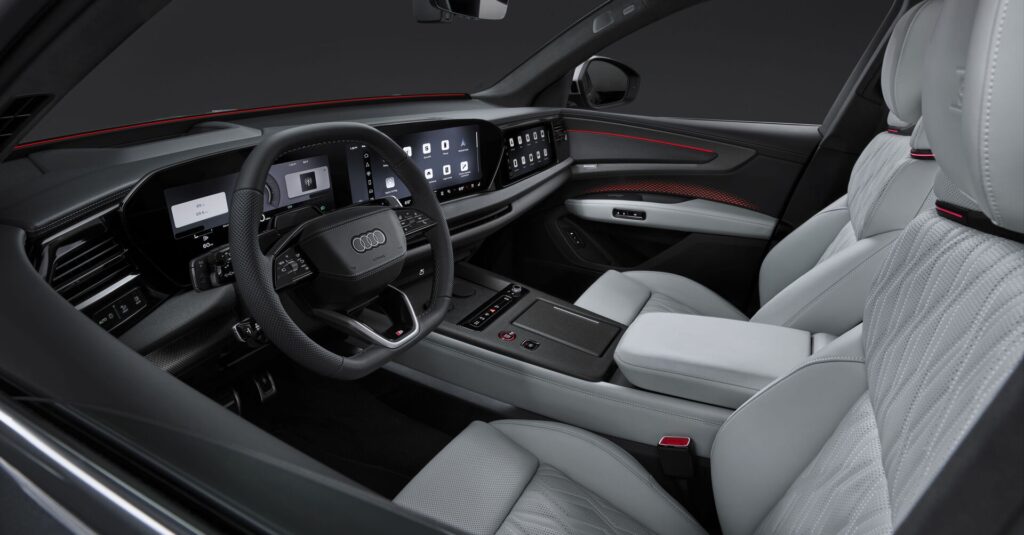
Luxury cars justify their premium pricing through superior craftsmanship, material choices, and ergonomic design. When test-driving potential options, pay close attention to these interior aspects:
- Seat comfort, lumbar support, and overall seating ergonomics for long journeys.
- The tactile quality of interior materials, leather upholstery, and switchgear finish.
- Sound insulation and NVH levels that keep external traffic noise out of the cabin.
- Climate control effectiveness, especially rear seat vents and multi-zone setups.
- Rear seat legroom, recline functions, and overall executive comfort.
A premium cabin should feel like a sanctuary, especially considering Indian traffic conditions, where owners spend significant time inside the vehicle.
7. Consider Reliability Alongside Features
Modern luxury cars come loaded with advanced technology, but more features can also mean more potential points of failure over time. Instead of focusing exclusively on massive touchscreens, ambient lighting sequences, or panoramic sunroofs, you should also assess:
- The long-term reliability of the vehicle’s electrical architecture.
- The overall quality of mechanical engineering is to build robust wood or metal inserts.
- The brand’s history regarding recall campaigns and component durability.
- The comprehensiveness of the factory warranty coverage.
A dependable luxury car with slightly fewer features will always provide a better ownership experience than a feature-packed car that spends frequent time in the workshop.
8. Understand Depreciation Before Buying
Luxury vehicles typically experience steep depreciation during their first few years in the Indian market. This market dynamic creates two distinct paths for buyers:
- Buying New: Provides the latest technology, full factory warranty coverage, customizable options, and complete peace of mind.
- Buying Pre-Owned: Offers significant upfront savings, access to higher vehicle segments at lower price points, and a slower subsequent depreciation curve.
Many experts recommend considering certified pre-owned luxury cars that are three to five years old with a well-documented service history. Such vehicles often offer exceptional value while avoiding the steepest initial value drop.
9. Choose a Car That Fits Your Lifestyle
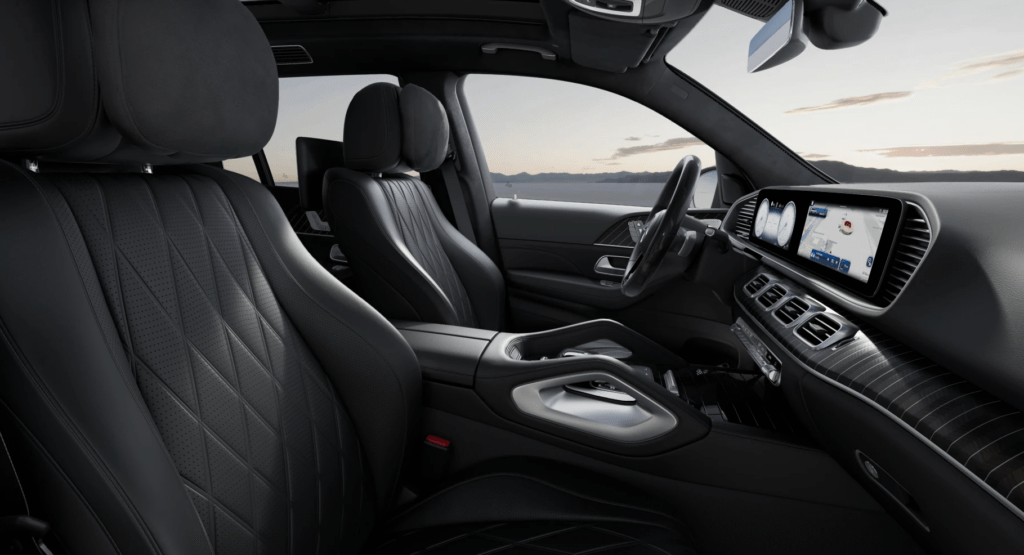
A luxury vehicle should seamlessly complement your daily routine rather than complicate it. When choosing a body style, evaluate your typical driving environment:
- City driving requirements and the ease of navigating tight urban streets.
- Available parking space at your home and frequent workplace destinations.
- Family size and the actual requirement for luggage space during weekend trips.
- Your frequency of highway travel versus low-speed city commuting.
For example, a large luxury SUV offers a commanding road presence and high ground clearance for rough terrain, but it can become cumbersome in congested urban environments. Selecting the right size and body style prevents buyer’s remorse.
10. Buy Within Your Financial Comfort Zone
Perhaps the most important factor is absolute affordability. A luxury car should enhance your lifestyle, not become a financial burden. Before finalizing your budget, make sure you comfortably account for:
- The initial down payment without depleting your emergency funds.
- Monthly EMI commitments that fit easily into your disposable income.
- Annual insurance renewals and escalating registration taxes.
- Periodic maintenance and unexpected wear and tear expenses.
- Premium fuel costs, as many high-performance engines require high-octane petrol.
The best luxury car is one you can comfortably enjoy without compromising your other long-term financial milestones.
Final Thoughts
Buying a luxury car in India is both an emotional and financial decision. While performance, prestige, and comfort are undeniably attractive, successful ownership depends on practical considerations such as maintenance, service support, reliability, and long-term affordability. The ideal luxury car is not necessarily the most expensive one on the showroom floor. It is the vehicle that aligns with your lifestyle, delivers genuine driving pleasure, and remains enjoyable throughout the entire ownership journey.
For more expert advice on navigating the Indian premium automotive market, comprehensive buyer guides, and deep dives into the latest automotive trends, follow Motozite. Stay tuned to our platform for professional vehicle comparisons and updates designed to help you make informed luxury car decisions.
Frequently Asked Questions
1. Which luxury car brand has the lowest maintenance cost in India?
Generally, Lexus and certain entry-level premium models are considered relatively more predictable to maintain compared to high-performance European luxury vehicles, largely due to their proven mechanical reliability.
2. Is buying a used luxury car a good idea in India?
Yes, provided the vehicle has a fully verified corporate service history, low mileage, and has been free of major accident repairs. Choosing manufacturer-backed certified pre-owned programs offers the highest peace of mind.
3. How much income is required to own a luxury car comfortably?
The exact figure varies depending on your lifestyle and the specific vehicle price. Financial experts recommend ensuring that total annual car running and ownership costs do not negatively impact your core savings or investments.
4. What matters more in a luxury car: brand image or performance?
For most experienced owners, the holistic ownership experience, including mechanical performance, ride comfort, long-term reliability, and local service support, matters far more than the badge alone.