
Introduction
High-speed highway stability has become one of the most important performance benchmarks for modern luxury cars, especially in India where expressways are expanding rapidly. From long-distance chauffeur-driven journeys to self-driven weekend highway runs, buyers now expect refined comfort, controlled handling, and unwavering stability even at triple-digit speeds.
Luxury automakers such as Mercedes-Benz, BMW, Audi, Lexus, and Land Rover have engineered their flagship models to deliver exceptional balance between performance and comfort. These vehicles are not just about speed—they are about confidence, aerodynamic precision, and effortless cruising on highways.
Key Factors That Define Highway Stability
1. Aerodynamic Engineering
A car’s shape directly impacts how it behaves at high speeds. Low drag coefficients, smooth underbody panels, and adaptive spoilers help reduce wind resistance and improve straight-line stability. Brands like Audi and BMW are known for refining aerodynamic efficiency across their luxury sedans.
2. Suspension Setup and Ride Control
Adaptive air suspension and electronically controlled dampers play a crucial role in maintaining composure on uneven Indian highways. Whether it is expansion joints or sudden lane changes, premium suspension systems ensure the cabin remains stable and comfortable.
3. Weight Distribution and Chassis Balance
A near-perfect 50:50 weight distribution (as seen in many BMW models) improves grip and reduces body roll at high speeds. A rigid chassis also helps the car stay planted during quick overtakes.
4. Advanced Driver Assistance Systems (ADAS)
Modern luxury cars come equipped with lane-keeping assist, adaptive cruise control, and stability management systems. These technologies enhance safety and reduce driver fatigue on long highway journeys.
Best Luxury Cars for High-Speed Highway Stability
Mercedes-Benz S-Class and E-Class – The Benchmark of Comfort Stability
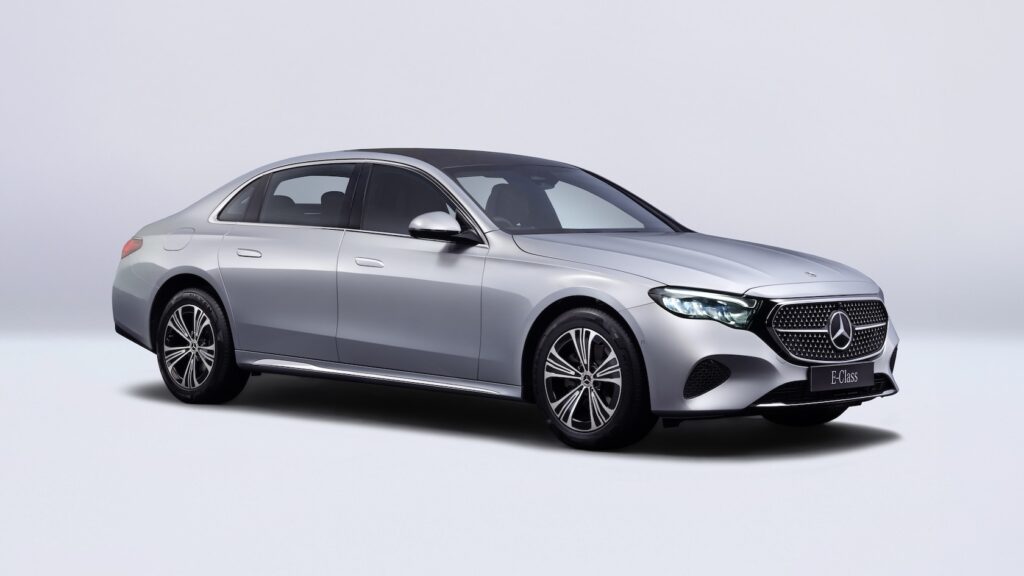
The Mercedes-Benz S-Class and E-Class are often regarded as the gold standard for luxury highway cruising. Their long wheelbase design, whisper-quiet cabins, and advanced air suspension systems make them ideal for Indian expressways.
The S-Class, in particular, glides over road imperfections effortlessly, maintaining unmatched composure even at high speeds. The E-Class, while slightly more compact, delivers similar refinement and is often preferred for chauffeur-driven luxury in India.
BMW 5 Series and 7 Series – The Driver’s High-Speed Companion
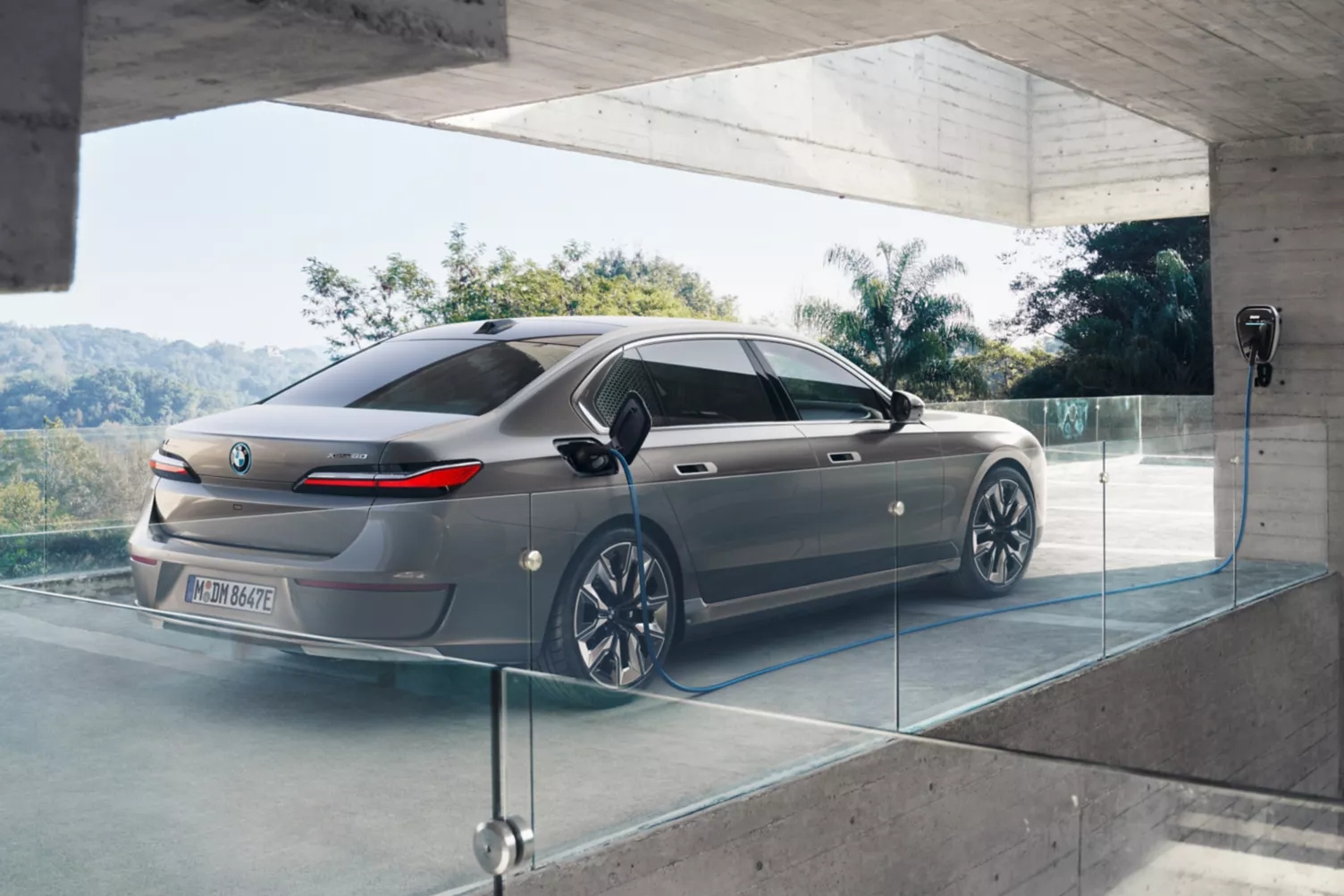
The BMW 5 Series and 7 Series are engineered with a strong focus on driving dynamics. Their rear-wheel-drive bias (or intelligent x Drive AWD system) ensures excellent traction and balance.
On highways, BMW’s chassis tuning provides a perfect blend of agility and stability. The 7 Series, with its advanced air suspension and active roll stabilization, remains planted even during aggressive lane changes, making it a favourite among enthusiasts who value both luxury and control.
Audi A6 and A8 – Quattro Confidence at Speed
The hallmark of Audi has always been its Quattro all-wheel-drive system. In models like the Audi A6 and A8, this system ensures exceptional grip and confidence on high-speed highways, especially in unpredictable Indian driving conditions.
The A8, being the flagship, offers an ultra-refined cabin and predictive active suspension that adjusts to road conditions in real time. This makes it one of the most stable luxury sedans for long-distance cruising.
Lexus ES and LS – Silent Stability and Hybrid Efficiency
The Japanese luxury brand Lexus is known for prioritising comfort and reliability. The Lexus ES and LS models are engineered for silent, vibration-free cruising.
The LS, in particular, features advanced suspension systems that absorb highway undulations effortlessly. Combined with hybrid powertrains, these cars deliver smooth acceleration and excellent long-distance efficiency, making them ideal for chauffeur-driven luxury in India.
Land Rover Range Rover – Stability in SUV Form
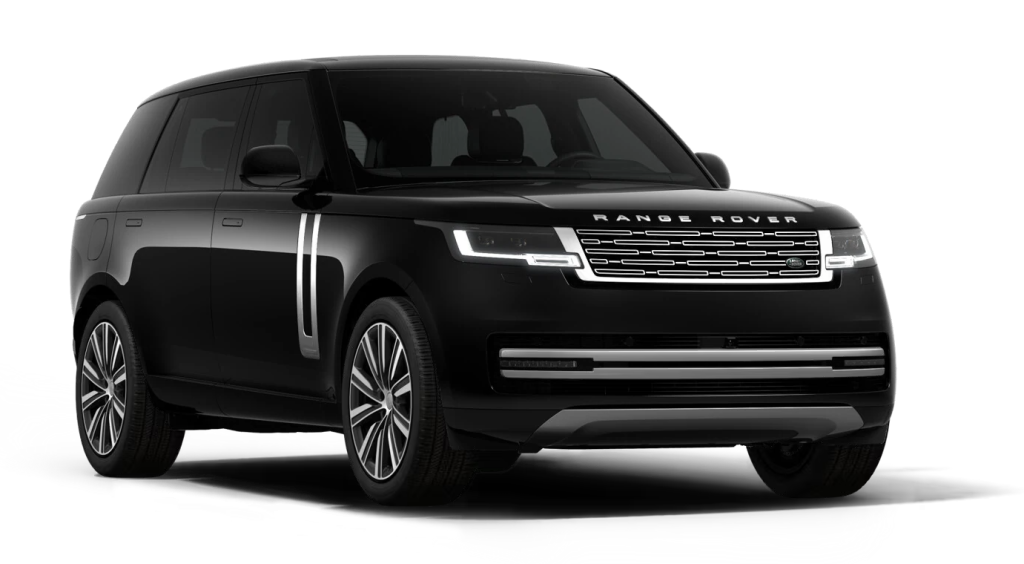
For buyers who prefer SUVs, the Land Rover Range Rover stands out as one of the most stable luxury SUVs on highways. Despite its size and height, its air suspension system and adaptive dynamics ensure impressive composure at high speeds.
It offers a commanding driving position without compromising stability, making it a preferred choice for long intercity travel across India’s expanding expressway network.
Buying Tips for Indian Highway Conditions
When choosing a luxury car focused on high-speed stability, Indian buyers should consider:
- Road quality adaptability: Air suspension is highly beneficial for mixed road conditions
- Wheelbase length: Longer wheelbase cars offer better straight-line stability
- Chauffeur vs self-drive usage: Rear-seat comfort vs driving dynamics should guide selection
- Service network availability: Brands like Mercedes-Benz, BMW, and Audi have stronger after-sales coverage in major Indian cities
- Fuel efficiency vs performance balance: Hybrid options from Lexus can be more economical for long-distance travel
Additionally, features like adaptive cruise control and lane assist are becoming essential for fatigue-free highway driving.
Final Verdict
High-speed highway stability is no longer a niche performance metric—it is a core expectation for luxury car buyers in India. Whether it is the effortless glide of Mercedes-Benz, the dynamic precision of BMW, the Quattro confidence of Audi, the serene refinement of Lexus, or the commanding presence of Land Rover, each brand brings a unique interpretation of stability and comfort.
For buyers exploring premium luxury cars tailored for Indian highways, platforms like Motozite offer a curated way to understand, compare, and evaluate the right model based on real-world driving needs.